
Reviewed · SUNSET AND STARGAZING TOURS
Sucre: Sunrise, the Crater de Maragua and old Cave Paintings
The most unusual part of this Sucre excursion is the way it links several very different experiences in one long day: a cold Andean sunrise, a high mountain hike, ancient rock art, Jalqa communities, and the mineral-colored folds of the Maragua Crater. You are not simply driving to a viewpoint. You walk through the Cordillera de los Frailes and reach the main sights on foot.
I like the early start because it puts you at Chataquilla before the day gets busy, with a warm breakfast snack while you wait for the sun. I also like the human scale of the trip: a small group of up to 12, local communities, a vegetarian lunch, and guides such as Karina or Manuel who can explain what you are seeing in English or Spanish.
The main drawback is the road and the physical effort. The mountain route lasts about four hours, the ground can be rough, and the drive back can feel long if you get carsick. Cloud, wind, and cold can also soften the sunrise, so bring proper layers and keep your expectations focused on the full day rather than one perfect photograph.
Key points to know before booking
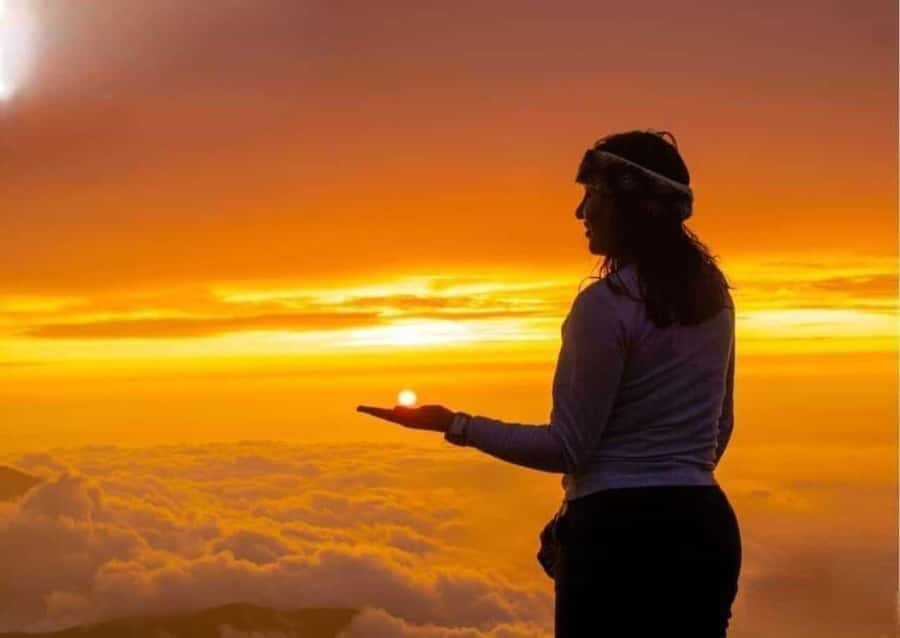
- Sunrise at Chataquilla: Begin before dawn with a light breakfast and views from a mountain lookout near an old colonial chapel.
- Four-hour mountain walk: The hike includes steep or uneven sections and requires steady footing, especially in the dim morning light.
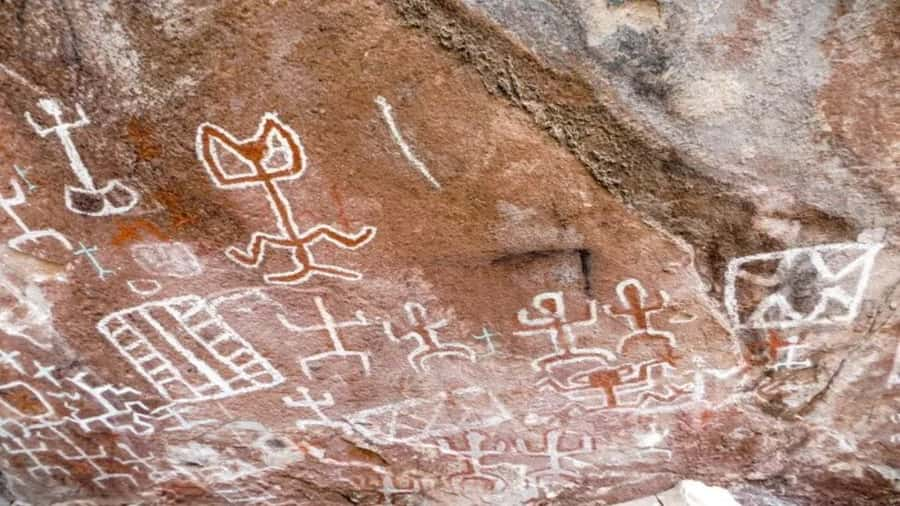
- Two cave-painting sites: Pumamachay and Incamachay preserve artwork and traces of communities dating back thousands of years.
- Jalqa culture and food: Meet local people, visit Jalqa communities, and enjoy a vegetarian lunch included in the price.
- Maragua’s colored rock: Mineral deposits give the mountains around the crater striking bands and changing tones.
- A long but well-filled day: Transportation, entrance tickets, breakfast, lunch, guide service, and the Devil’s Throat stop are covered for $105.
Why this is more than a Maragua Crater photo stop
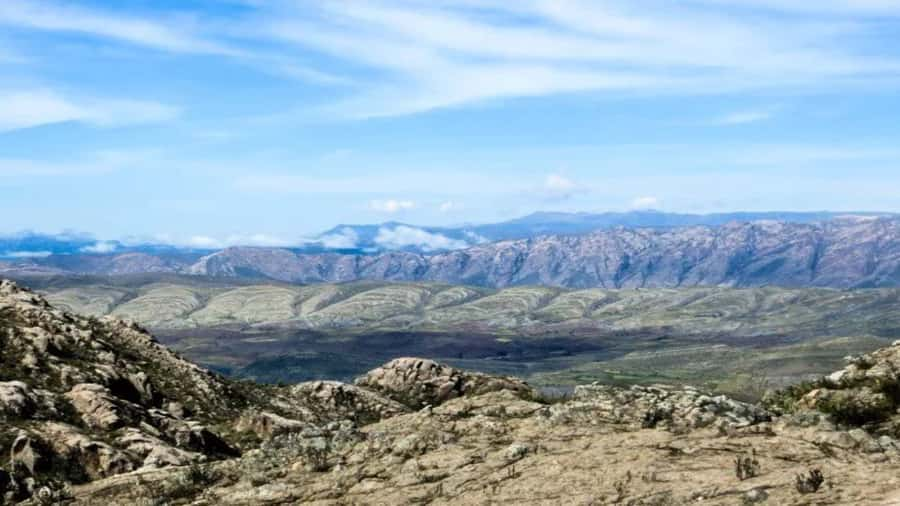
Many day trips from Sucre treat Maragua as a quick viewpoint and little more. This outing takes a slower, more active route through the surrounding mountains. You see the crater, but you also walk across the Cordillera de los Frailes, visit two old rock-art sites, and spend time near Jalqa communities.
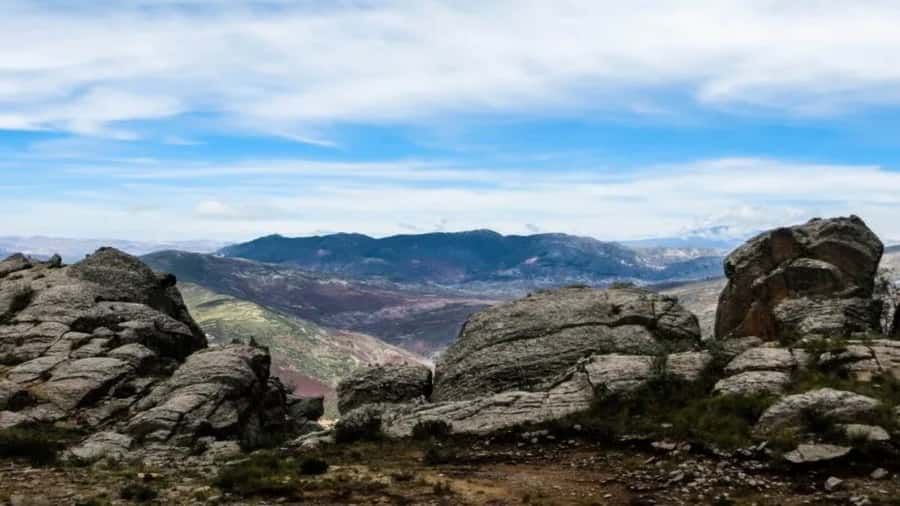
That matters because the scenery makes more sense when you move through it. From the trail, the mountains are not one broad mass. They break into folds, valleys, ridges, and mineral-streaked slopes. The changing elevation gives you different views of the Tumpeca Valley, Chaunaca, Maragua, and, later, part of Sucre.
At $105 per person, this is not the cheapest day out from Sucre. Still, the price includes private transportation to and from the historic center, a live guide, entrance tickets listed at $10, breakfast, lunch, headlamps for the initial walk, and several separate stops. If you want only a viewpoint and a short drive, you can find simpler options. If you want a full day with walking and cultural visits, the price is easier to justify.
More sunset and star-watching trips from Bolivia
- 3-Day Uyuni Salt Flat Tour with Sunset and Red Lagoons
★ 5.0 · 83 reviews - Uyuni: Sunset and Starlights Tour
★ 4.6 · 79 reviews - Full day Salar- Sunset and Stars; Magic Salar
★ 5.0 · 38 reviews
Chataquilla before dawn: chapel, lookout, and breakfast
Pickup is arranged at accommodations within Sucre’s historic center, with the exact details confirmed by email. The departure is early enough to reach the Chataquilla area before sunrise. That means the first part of the experience takes place in darkness or faint morning light, so warm clothing and a flashlight are not optional extras.
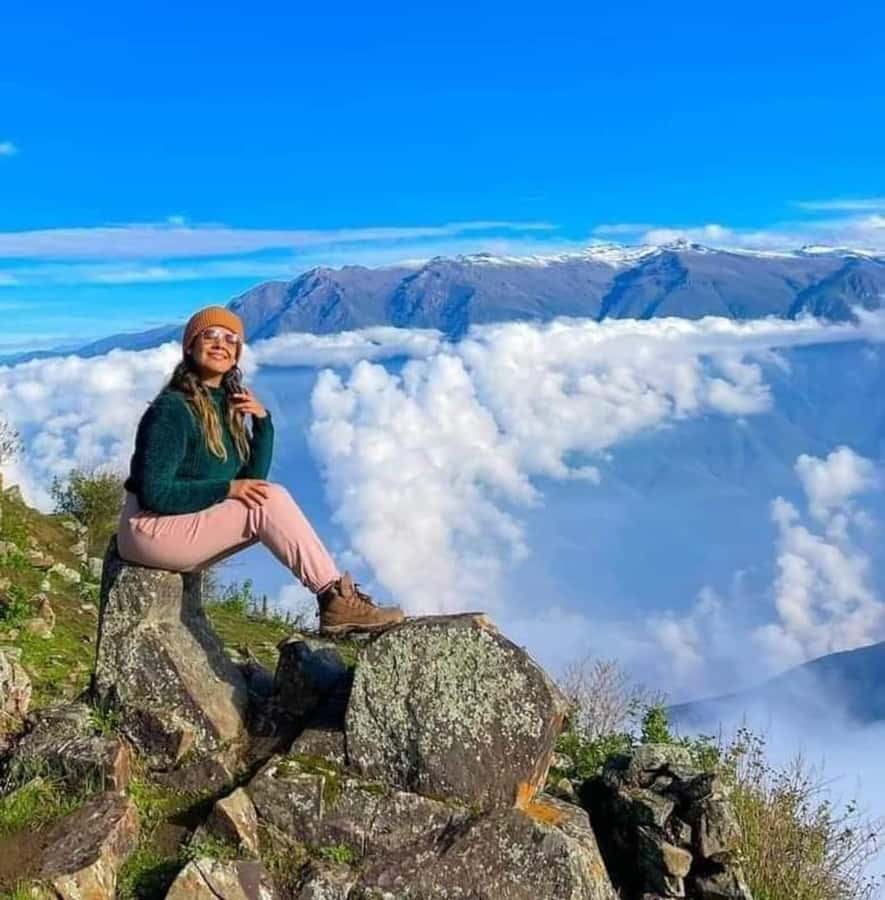
The lookout is near the colonial chapel of Chataquilla, an important meeting place for the Jalqa community. You wait there for the light to spread across the mountains while eating a simple breakfast snack. The meal is practical rather than elaborate, but it gives you something warm or filling before the walking begins.
Sunrise conditions are not guaranteed. Morning cloud and wind can hide the first rays, as happened on one outing, but the setting still gives you an atmospheric start. You should think of this as a mountain morning with a sunrise chance, not a staged sunrise show.
Afterward, the guide explains the chapel and its local importance. This short visit adds cultural context before you leave the road and start walking. It also gives you a chance to adjust your clothing, check your shoes, and make sure your water is easy to reach.
The first climb and the view over Tumpeca
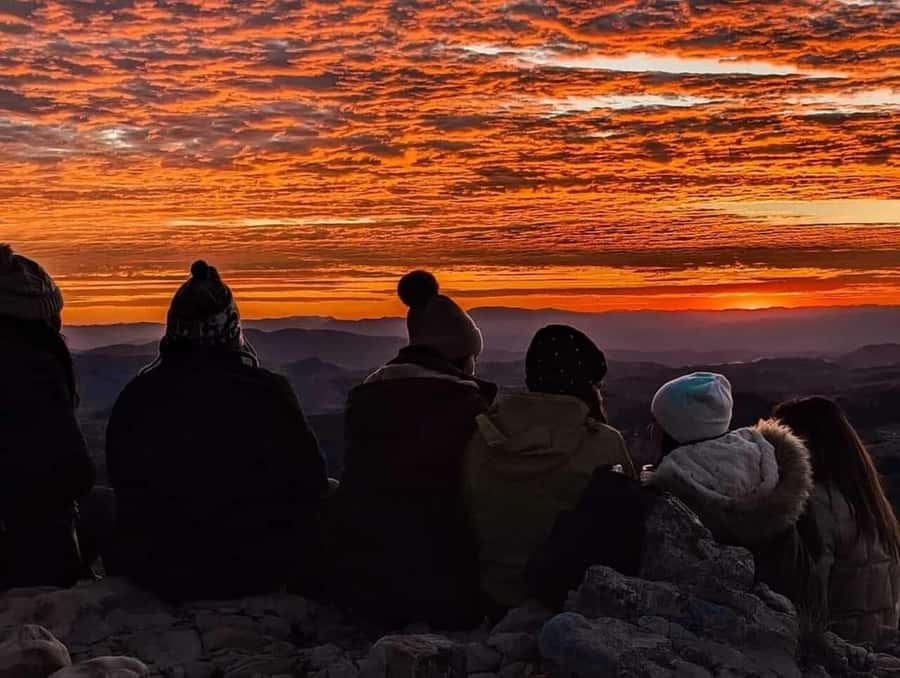
From Chataquilla, the first walk to the mountain summit takes about 20 minutes. It is short, but the combination of altitude, cold air, and an early start can make it feel demanding. Go at a steady pace and do not rush simply because the distance sounds small.
From the high point, you can see the Tumpeca Valley, the indigenous community of Chaunaca, the Maragua Crater, and part of Sucre. This is one of the best moments to understand the day’s geography. The crater is not an isolated attraction. It belongs to a wide mountain area crossed by valleys and old routes between communities.
The trail then continues through mountain scenery, local plants, rock formations, and forested sections. There is a chance of seeing Andean wildlife, but that is not promised. Bring your camera for the scenery, but keep your hands free when the ground becomes uneven.
The early light can be beautiful, but it can also make footing harder. The tour provides a headlamp for each participant, and the guide gives safety reminders for the dim section. An extra flashlight is still useful if you have one.
Pumamachay and Incamachay: the day’s cultural core
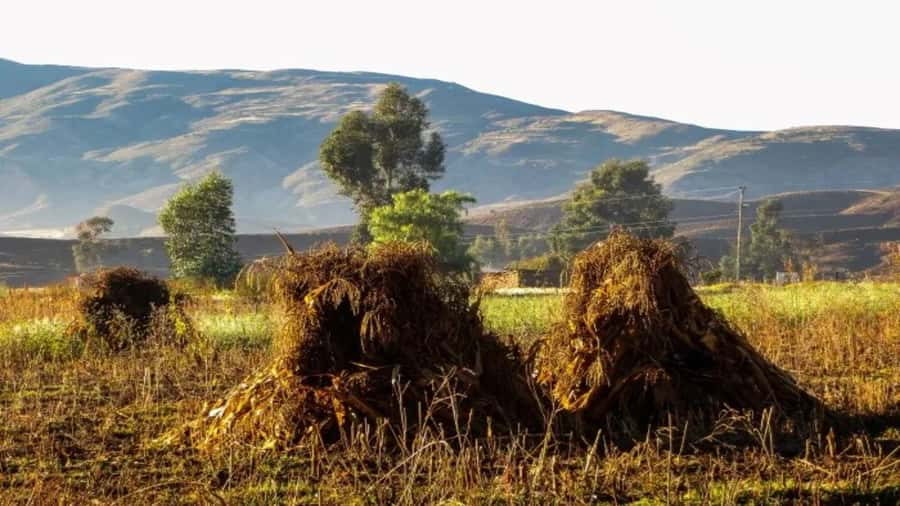
After roughly two hours of walking, you reach Pumamachay Cave. The cave paintings are the main archaeological draw of the route. They date back thousands of years and give the hike a purpose beyond scenery.
You should not expect a large museum-style display. The value is in reaching the site, seeing the paintings in their original setting, and listening as the guide explains what is known about them. Conditions at a cave can be dim, so your flashlight helps you see the rock surface without rushing.
The route continues for about 30 minutes to Incamachay, where there are more paintings and traces of ancient communities. Having two sites makes the stop more worthwhile than a single brief visit. It also breaks up the hike with points of interest that are cultural as well as scenic.
Pay attention to the guide here. The paintings may be less immediately easy to read than a modern sign or a polished exhibit, and the explanation helps you understand why the sites matter. Keep your hands off the rock and follow instructions about where to walk.
The combined walk to the caves and onward to the community is around four hours according to the experience description and firsthand timing. That is a substantial hike. People who rarely walk on uneven ground may find the day tiring even if the route is described as short in sections.
More Sucre and Maragua trips from Bolivia
- Walking tour in Sucre: History, Culture & Amazing Views
★ 4.8 · 79 reviews - Sucre: 1-Day Trek in the Crater of Maragua and Inca Trails
★ 4.8 · 75 reviews - Sucre: Free Walking tour (History, culture and traditions)
★ 4.8 · 47 reviews - Sucre: 2 days trek in Inca Trails and the Crater de Maragua
★ 4.9 · 11 reviews
Tumpeca and the Jalqa connection
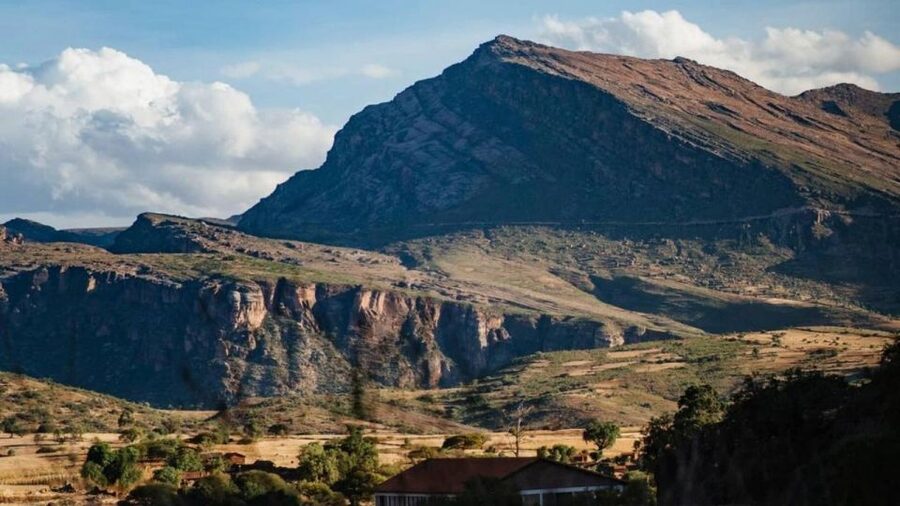
After Incamachay, the trail leads to Tumpeca, a Jalqa community in a valley near a river. This transition is important. You are leaving the archaeological sites and entering a place where mountain life is still part of the setting rather than a display arranged for a visitor.
The experience includes a visit connected with Jalqa communities, and one outing included meeting a textile weaver and taking home a bracelet. That kind of exchange can be a memorable part of the day, but you should approach it respectfully. If crafts are offered, ask about the price and the maker rather than treating the visit as a quick shopping stop.
The tour then moves toward Maragua for a vegetarian lunch. The meal is included, and it has been described as tasty and satisfying after the long morning walk. Water and extra snacks are not included, so carry both. A piece of fruit, nuts, or another compact snack can make a real difference late in the hike.
There is a practical point here: the lunch is connected to the community visit and the transport schedule, so this is not a day for choosing your own restaurant or taking a long break. You follow the group’s rhythm, which is one tradeoff for fitting so much into 10 hours.
Maragua Crater and the mineral-colored mountains
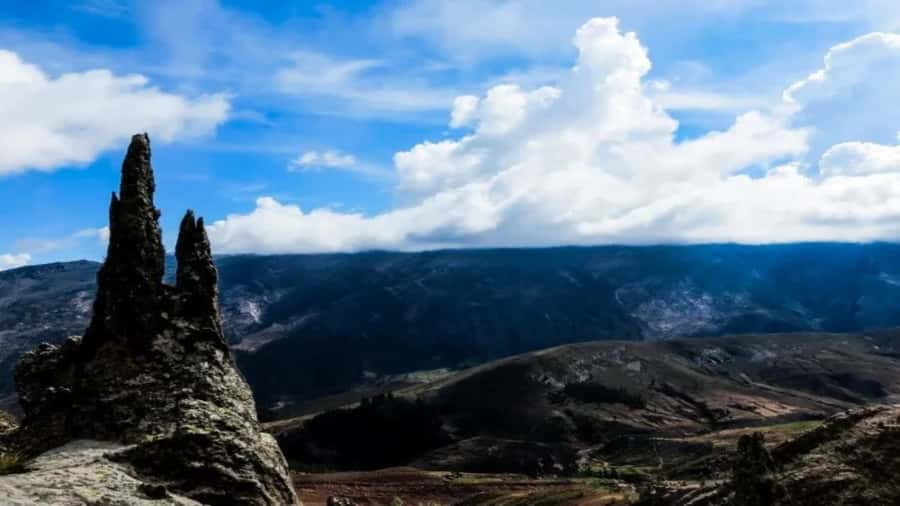
The Maragua Crater is the visual payoff. The surrounding mountains show bands and tones created by different minerals, giving the rock a striped, almost painted appearance. The colors can change with cloud and sunlight, so the view may look different from the morning outlook near Chataquilla.
Despite its name, the crater is best understood as a large geological formation rather than a neat circular hole. The folds and ridges create the main drama. From the viewpoints, you can look into the formation and across the colored mountains surrounding it.
You also visit the Jalqa community of Maragua. This adds another local connection after Tumpeca and helps make the day about people as well as geology. The combination is useful for anyone who wants more context than a road photo and a quick departure.
The Devil’s Throat is the final highlight in the area. It includes a small waterfall and a viewpoint. Do not expect a huge cascade. Its appeal is the setting, the rock formations, and the chance to pause after the hike before beginning the drive back.
Transport, roads, and the real length of the day
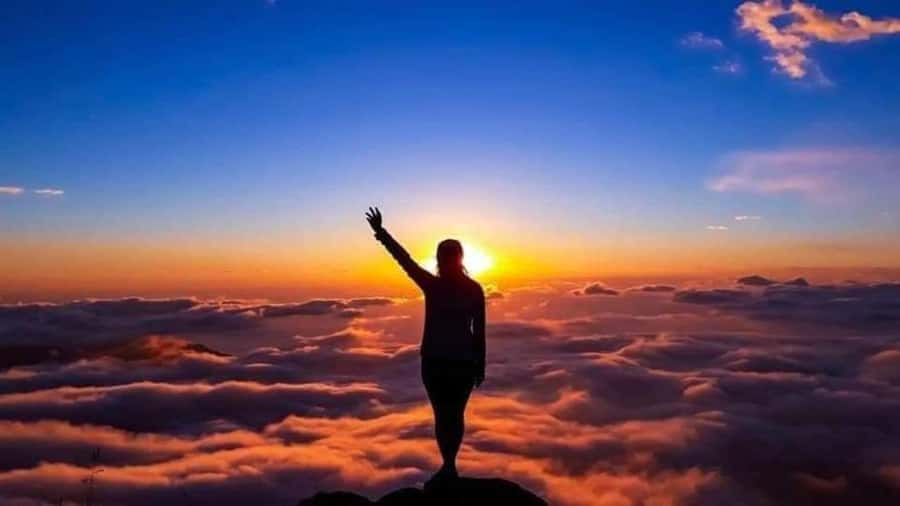
The experience lasts about 10 hours, including driving. After the walking and lunch, the vehicle transfer from the Maragua area back to Sucre takes roughly two hours. Another road section between the walking route and the crater area takes about 40 to 45 minutes based on the stated timing and direct trip account.
Road conditions can be rough. If you get carsick, bring your usual medication before leaving Sucre. One useful tip is to sit where the ride feels most stable, look ahead rather than down, and keep water within reach. The driver, including Don Gabino on one outing, is expected to handle the mountain roads carefully, but no driver can remove every bump.
Transportation is described as private and pickup is included, while the group itself is limited to 12 participants. That gives you more structure than an independent rental car trip and less crowding than a large coach. It also means the day runs on a shared schedule, with little room to skip a stop or linger for an extra hour.
What to wear and carry for the Andes
The weather can change quickly between the pre-dawn lookout and the warmer parts of the day. Pack warm clothing, a hat, sunscreen, and rain gear. A waterproof bag protects your passport, phone, and camera if rain arrives.
Wear proper hiking shoes rather than casual trainers. The route includes early morning walking, uneven ground, and mountain trails. Bring water because it is not included, plus snacks for the longer stretch between breakfast and lunch.
You should carry your passport, although a copy is accepted. A flashlight is provided, but the tour also asks you to bring one if possible. The safest approach is to treat the headlamp as backup and bring a small personal light.
This is not a suitable outing for children under 10, pregnant women, people with mobility impairments, wheelchair users, people with vertigo, or anyone dealing with altitude sickness. The information also lists children under 13 as unsuitable, so families should confirm the precise age rule before booking.
Guides, language, and group size
The tour operates in English and Spanish. Karina has guided the route in English, and Manuel has also provided English-language guiding. Don Gabino has driven for the experience. Names and staff can vary by date, but the important point is that you should request your preferred language when booking.
A group limit of 12 is a good fit for a trail with cave visits and several transfers. You can hear the guide more easily than in a large bus group, and the smaller size helps at the community stops. It is still a group tour, so expect to keep moving at a shared pace.
Free cancellation is available up to 24 hours before departure, and you can reserve now and pay later. Those terms help if your Sucre plans are still shifting, but they do not change the physical demands of the day.
Is the $105 price fair?
I would call the price fair for the right kind of day. You are paying for a long route with private transport, a bilingual guide, breakfast, vegetarian lunch, entrance fees, equipment for the dark section, and several cultural and natural stops. Organizing the same route independently would require arranging transport, finding the cave sites, handling local access, and managing the return drive.
The value drops if you dislike long vehicle rides or want a relaxed sightseeing day. The sunrise may be obscured by cloud, the roads are not smooth, and the hike takes real effort. You are paying for variety and access, not luxury.
The strongest value is the mix of experiences: cave paintings, Jalqa communities, a mineral-colored crater, and a small waterfall in one carefully timed outing. That combination is hard to reproduce with a simple short excursion.
Should you book this Sucre day trip?
Book it if you want an active day with archaeology, geology, local culture, and mountain views. It suits fit adults and older children who can walk for several hours, handle uneven trails, and cope with an early start.
Skip it if you need a gentle itinerary, dislike winding roads, or are mainly chasing a guaranteed sunrise. The best reason to book is not one single viewpoint. It is the full sequence from dark mountain paths and old cave paintings to a community lunch and the colored folds of Maragua.
FAQ
How long does the experience last?
The full experience lasts about 10 hours, including transportation from Sucre, the hike, visits, lunch, and the return drive.
Where does pickup take place?
Pickup is included from accommodations located within the historic center of Sucre. The exact arrangements are coordinated by email.
What languages are available?
The tour is offered in English and Spanish. Guides may include Karina or Manuel, depending on the departure.
Is breakfast included?
Yes. A light breakfast snack is provided at the mountain summit while you wait for sunrise near Chataquilla.
Is lunch included?
Yes. A vegetarian lunch is included and is served in connection with the Jalqa community visit near Maragua.
Are cave paintings part of the tour?
Yes. The route visits Pumamachay and Incamachay, both known for cave paintings and traces of ancient communities.
Do I need to bring water?
Yes. Water is not included. You should also bring snacks because snacks are not provided beyond the light breakfast and included lunch.
What happens if I need to cancel?
You can cancel up to 24 hours in advance for a full refund. The experience also allows you to reserve now and pay later.
More Morning in Bolivia
- 5-Hour Uyuni Salt Flat Tour Stargazing and Sunset/Sunrise In Group
★ 5.0 · 33 reviews - Bolivia: starlights and sunrise in Uyuni salt flat
★ 4.2 · 20 reviews - Uyuni: Starlight and Sunrise Salt Flats Tour
★ 4.2 · 12 reviews - UYUNI SALT FLAT: SUNRISE & STARLIGHT EXPERIENCE
★ 3.1 · 3 reviews
Just added around Bolivia
- Uyuni tour express from Sucre by bus (round trip)★ 4.2 · 4 reviews
- UYUNI SALT FLAT: SUNRISE & STARLIGHT EXPERIENCE★ 3.1 · 3 reviews
- Uyuni: Classic Uyuni Salt Flats Tour + Hotel Pickup★ 3.0 · 4 reviews
- Uyuni: Salar de Uyuni Traditional Tour+Sunset Tour★ 4.8 · 3 reviews
- UYUNI SALT FLAT: SUNSET & STARLIGHT EXPERIENCE★ 5.0 · 3 reviews
- Uyuni: Salar de Uyuni and San Pedro de Atacama 3-Day Tour★ 4.2 · 4 reviews
- Uyuni: 3-Days Salt Flats and Desert Adventure Tour with Food★ 3.8 · 4 reviews
- Uyuni: Full-day tour, Salt flats and Sunset experience★ 4.8 · 5 reviews
Sunset and Stargazing Tours, compared.
3-Day Uyuni Salt Flat Tour with Sunset and Red Lagoons
Read our review →
Uyuni Salt 1 day Tour with guide in English + Lunch and Sunset
Read our review →
5-Hour Uyuni Salt Flat Tour Stargazing and Sunset/Sunrise In Group
Read our review →
Browse the lists this tour appears in