
Reviewed · SUCRE AND MARAGUA TRIPS
Walking tour in Sucre: History, Culture & Amazing Views
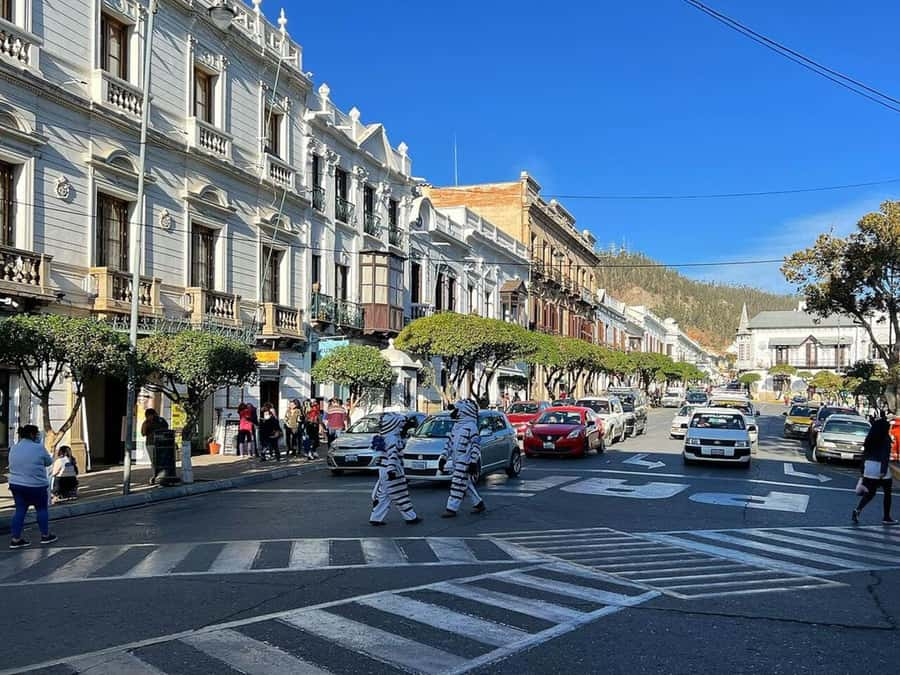
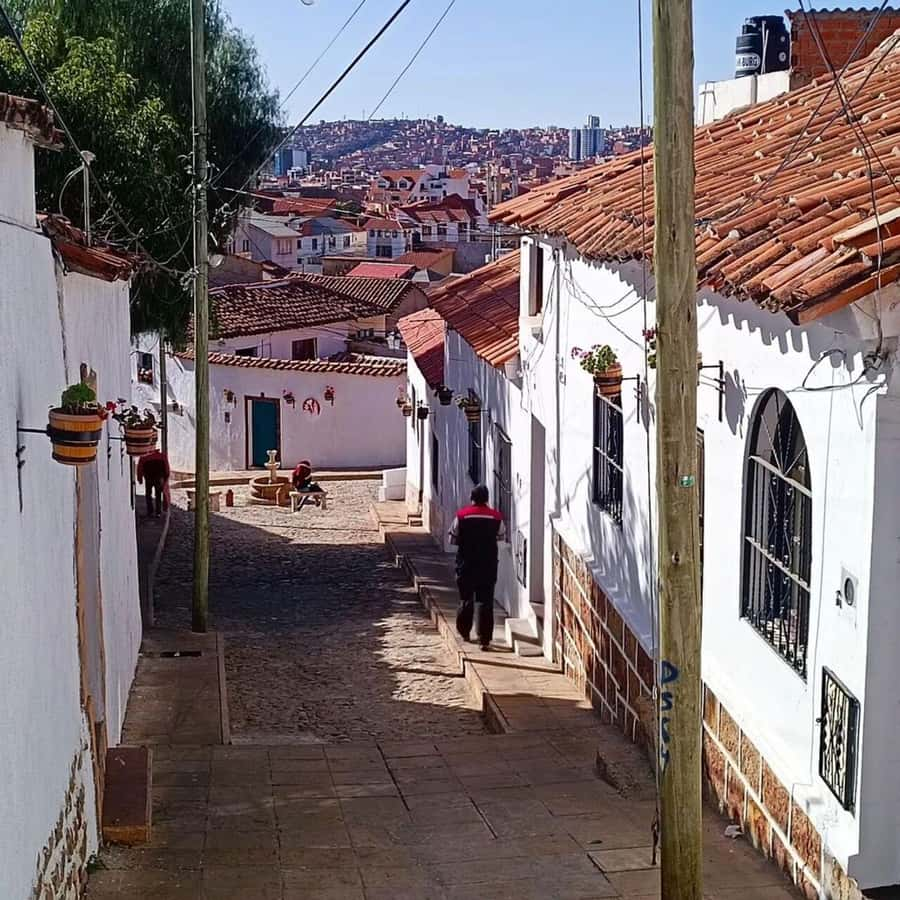
Sucre’s story comes alive in its oldest streets, where colonial buildings, local traditions, university life, and mountain views fit into one compact three-hour walk. The route also reaches places you could easily miss on your own, including the old Gato Negro street, Guereo Mansion, and the Indigenous Art Museum.
I like the small group size, limited to 10 people, and the way the route mixes walking with local public transport. I also like that guides such as Carla, Henry, Claire, Manu, and Bryan have been praised for explaining Sucre’s history clearly and adjusting the pace when needed. The main drawback is the amount of walking and uneven historic access, so this is not suitable for people with mobility impairments.
Key points to know before you go
- The tour begins at Cochabamba Square, in front of San Felipe de Neri Church, and ends at Suipacha 202.
- Guereo Mansion and Gato Negro offer a look at Sucre’s older buildings and the place where the city began.
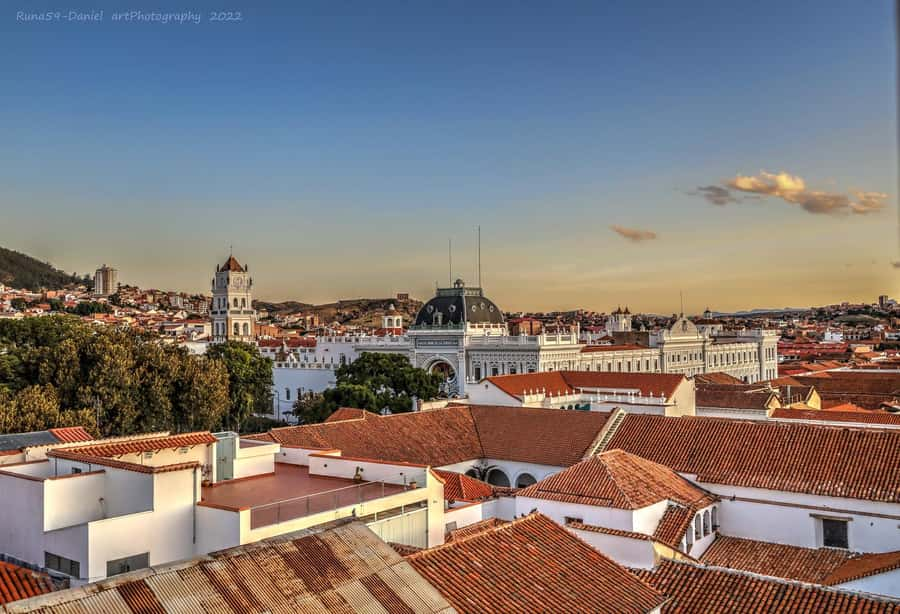
- Recoleta viewpoint provides one of the route’s best wide views over Sucre and the surrounding mountains.
- The Indigenous Art Museum adds context about communities living near Sucre and their artistic traditions.
- Colonial tunnels are optional, but you should bring a small flashlight or use your phone light.
- The $13 price is strong value if you want a guided introduction to Sucre in a single morning or afternoon.
Starting at Cochabamba Square
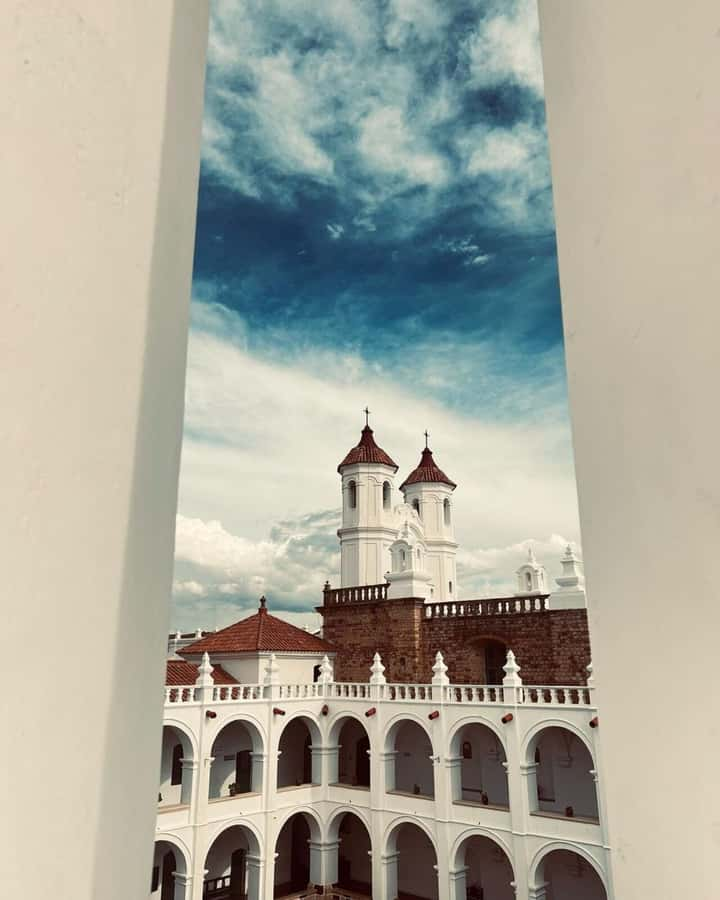
The tour starts in Cochabamba Square, on Nicolas Ortiz Street near Azurduy Street. Look for the meeting point in front of San Felipe de Neri Church. This is a useful central location, but give yourself enough time to find the church and arrive ready to walk.
A bilingual guide leads the group in English or Spanish. The group is capped at 10 people, which matters in Sucre’s narrow streets and older buildings. You should be able to hear the guide without the constant stop-and-start that often comes with a large city tour.
The guides have included Carla, Henry, Claire, Manu, and Bryan. Carla is particularly associated with explanations of Sucre’s past, culture, and political life. She has also adjusted the pace for groups with less active members and helped rearrange timing when a participant became unwell. That suggests a useful level of flexibility, though the exact guide depends on the date.
The pace is designed to cover a lot in three hours. You will walk, use public transport for part of the route, and visit several sites. The schedule lists a public-transport segment, but its duration is unclear in the supplied timing information, so confirm the exact departure details when you book.
More Sucre and Maragua trips from Bolivia
- Sucre: 1-Day Trek in the Crater of Maragua and Inca Trails
★ 4.8 · 75 reviews - Sucre: Free Walking tour (History, culture and traditions)
★ 4.8 · 47 reviews - Sucre: Sunrise, the Crater de Maragua and old Cave Paintings
★ 4.9 · 13 reviews
Guereo Mansion and the old city edge
Guereo Mansion is one of the first substantial stops. You have time for a photo stop, a visit, and a guided walk through the site. The mansion includes the former office of Sucre’s mayor and attractive gardens, giving you more than a quick look at a colonial facade.
This stop helps set the tone for the rest of the tour. Sucre is not only about grand churches and whitewashed streets. Its civic buildings, private mansions, courtyards, and gardens show how public life worked in the colonial city and later in the republic.
The mansion is also a good place to listen closely to the guide. A building like this can look pleasant enough from the outside, but the explanation gives it purpose: who used it, how local government operated, and why the site still matters to Sucre.
You should expect some walking between rooms and gardens. The tour is not presented as fully accessible, and the experience is not suitable for people with mobility impairments. Wear shoes that can handle old paving and steps.
Gato Negro and the place where Sucre began
The route continues to Gato Negro, also called the Street of Cats. This is described as the place where the city was born, making it one of the more distinctive stops on the walk.
The name gives the visit a local character that you will not get from a standard list of churches and plazas. Here, the guide can connect the physical street to the earliest chapter of Sucre’s story and explain how the city developed from its first settlement.
The stop is short, around 20 minutes, but that is enough for a focused explanation. You will not spend half the afternoon here. Instead, it works as a compact piece of the city’s origin story before the route shifts toward views, art, and major civic spaces.
Recoleta viewpoint and the mountain view
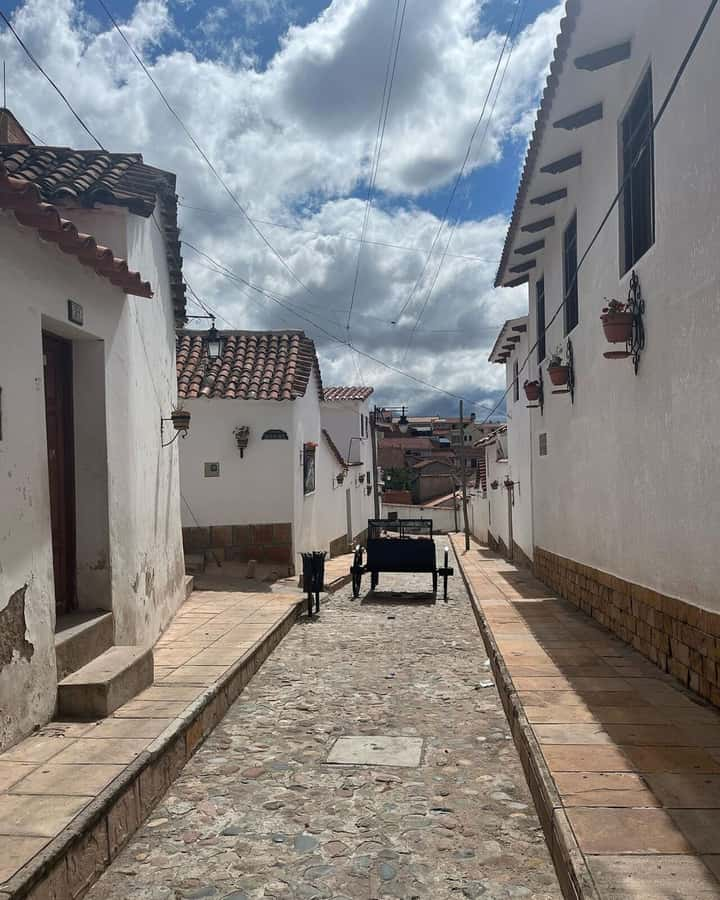
The Mirador de La Recoleta is one of the natural high points of the tour. From here, you can look across Sucre toward the surrounding mountains and see how the city sits within its setting.
This is where the walking route pays off visually. After moving through streets, courtyards, and older buildings, you get a broader sense of Sucre. Bring your camera, but also take time to listen. A viewpoint is more useful when you understand what you are seeing, and the guide provides that context.
The stop lasts about 20 minutes. That is enough for photographs and an overview, but not a long scenic break. If you want extended time at Recoleta, you may prefer to return independently later.
The climb and uneven surfaces are worth keeping in mind. The tour is not designed for people with mobility impairments, and the route can feel active even though it lasts only three hours. Comfortable shoes are essential.
A few more trips around Bolivia worth a look
- Walking tour – A journey through the History of Santa Cruz
★ 4.8 · 61 reviews - Sucre: A Day Spent Exploring the Historic Area of the City
★ 4.8 · 4 reviews
Indigenous art near Sucre
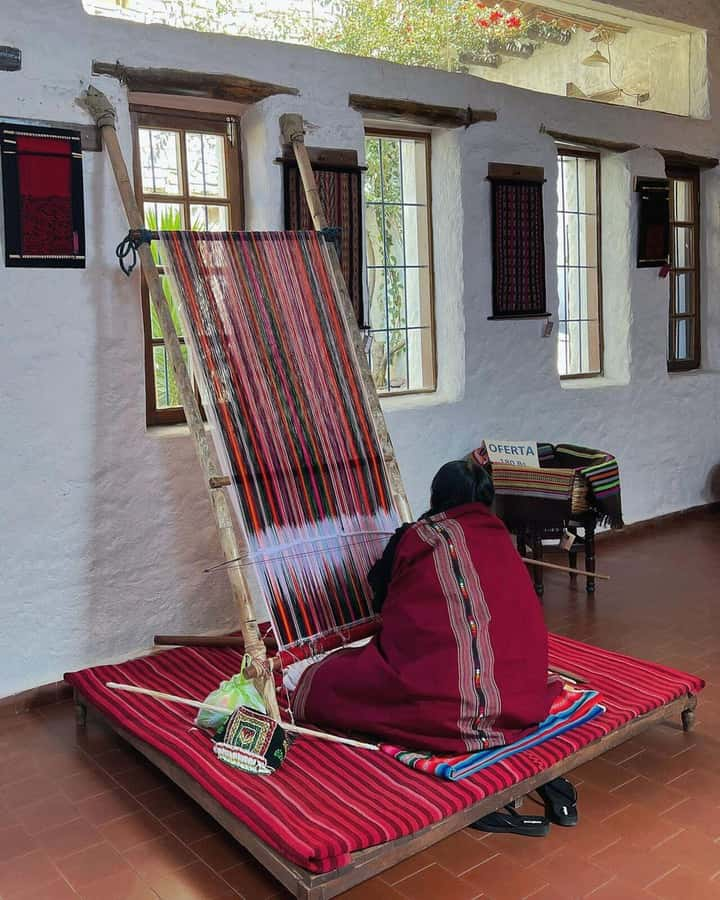
The Museo de Arte Indígena brings a different voice into the tour. Rather than focusing only on colonial buildings and Spanish influence, this stop introduces Indigenous art from communities living near Sucre.
That balance is important. A visit to Sucre can easily become a tour of colonial architecture, with local Indigenous traditions treated as a footnote. Here, the art museum gives those traditions a dedicated stop and helps connect the city to the communities around it.
The visit lasts about 20 minutes, so expect a guided introduction rather than an exhaustive museum visit. You will have time to see selected works and ask questions, but you should not expect to examine every room in detail.
This is one of the places where the quality of the guide matters most. The guide can explain what you are looking at and why it belongs in a tour about Sucre’s identity, not simply point out objects as you pass.
Plaza de Armas 25 de Mayo
The main square, Plaza de Armas 25 de Mayo, gives the tour a central stage. The visit lasts about 30 minutes, longer than some of the earlier stops, and focuses on Sucre’s history, culture, and public life.
A central plaza is often where a city’s different eras meet. Government, religion, education, celebrations, and daily routines all gather around the same space. Your guide can use the square to connect the separate places you have visited and explain how Sucre developed its importance in Bolivia.
This stop is also useful for orientation. If you are staying in Sucre, the plaza helps you understand the city center and gives you a reference point for later walks. Ask your guide for practical suggestions if you want to return to any site independently.
The square can be active and exposed, so carry water and protect yourself from the sun. The tour takes place rain or shine, and weather can change the feel of an outdoor stop quickly.
The old university and its courtyards
The route includes the Universidad Mayor, Real y Pontificia de San Francisco Xavier de Chuquisaca, usually shortened to USFX. The university’s courtyards are open to the tour, with about 20 minutes set aside for the visit.
This is an important stop because Sucre is closely tied to education and public life. The old university adds a different layer to the city’s story, moving beyond mansions and churches to the institutions that shaped local and national affairs.
Courtyards are often the best part of historic buildings. They give you a sense of scale, light, and everyday movement that a street view cannot provide. The guide can also place the university in the wider political story of Sucre and Bolivia.
The visit is brief, so it works best as part of the larger route. You will gain context and see the historic setting, but you should not expect a full academic or architectural tour of the university.
Colonial tunnels and the final tower
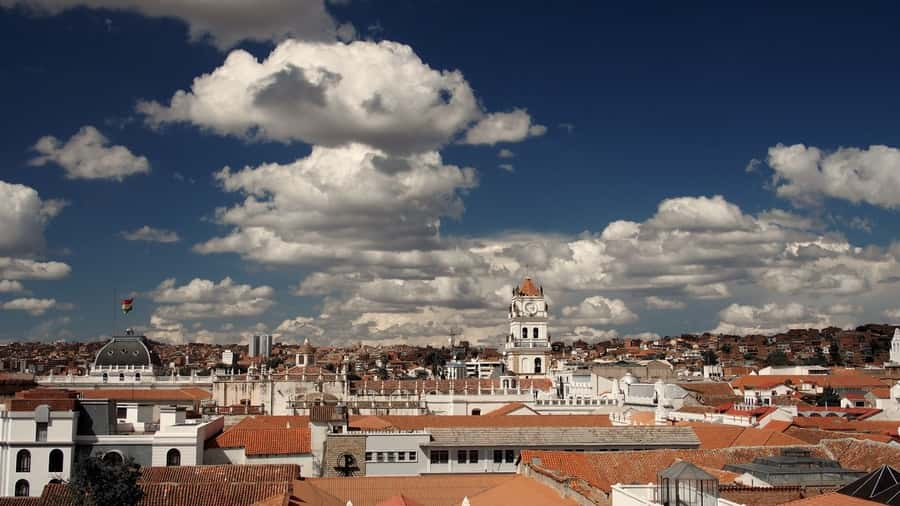
Colonial tunnels are included as an optional part of the experience. If you want to enter, bring a small flashlight. Your phone light is also acceptable, but a separate flashlight keeps your hands free and may be more convenient.
The tunnels are not compulsory. This is helpful if you dislike tight or dark spaces, or if the surface conditions make entry uncomfortable. You can still take part in the rest of the tour without going inside.
The tour finishes at an old colonial tower near Suipacha 202. From the tower, you get another view over Sucre, giving the route a strong visual ending. Recoleta offers a broad mountain outlook, while the tower brings you back into the historic city itself.
Because the final stop involves an older structure, expect access to be less polished than in a modern attraction. The tour’s mobility warning applies here as well.
Why the $13 price works
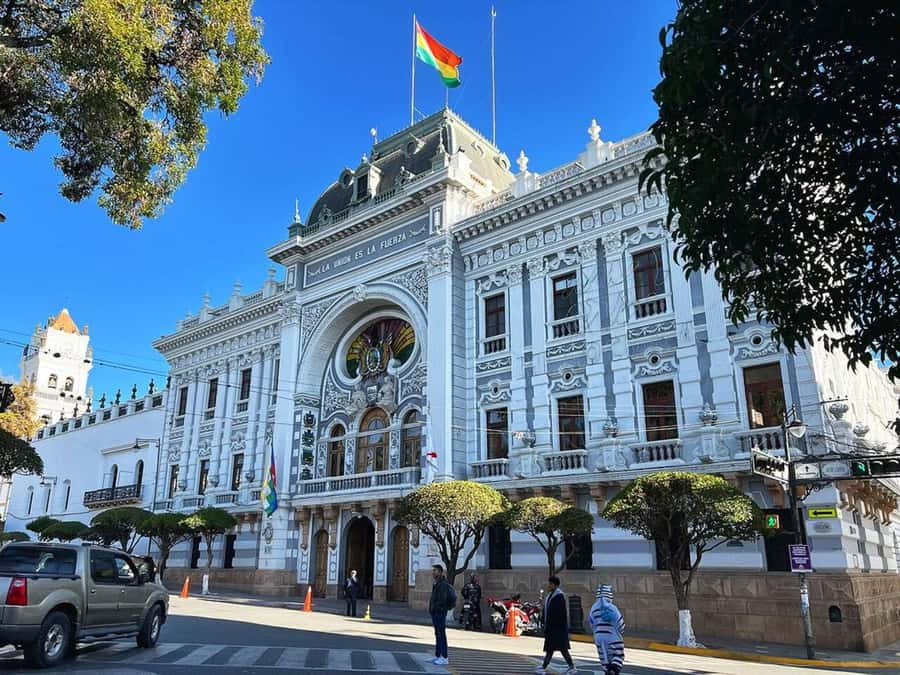
At $13 per person, this tour offers good value for a three-hour introduction to Sucre. The fee includes transportation and a specialized bilingual guide, along with several guided visits and viewpoints.
The strongest value comes from the range of subjects covered. In one compact outing, you get:
- Colonial architecture and gardens
- The city’s early origins
- Mountain views from Recoleta
- Indigenous art and local communities
- Sucre’s main square
- The historic university
- Optional colonial tunnels
- A final tower viewpoint
You are not paying only for a walk between landmarks. You are paying for the connections between them. A guide can explain why a mansion, museum, university, plaza, and viewpoint belong in the same story.
The tour is especially useful early in your stay. It helps you get your bearings and shows you which parts of Sucre deserve a second visit. If you already know the city well, the value will depend on how much you want guided historical context.
Timing, walking, and what to bring
The activity lasts three hours, but it is an active three hours. You move through old streets, enter historic places, use public transport, and stop at viewpoints. Comfortable shoes are not optional advice here. Wear them.
Bring a small flashlight if you plan to enter the colonial tunnels. A phone light works, but a flashlight is simpler. Water is also sensible, especially since parts of the experience take place outdoors, though water is not listed as an included item.
The tour runs rain or shine. Sucre’s weather can change the comfort of the outdoor sections, so carry suitable rain protection or sun protection according to the forecast.
The route may change during holidays, weekends, or unexpected city events. If a location cannot be visited, it may be replaced with another stop. This gives the operator room to keep the tour running, but it also means the exact sequence and sites are not guaranteed in every case.
Free cancellation is available up to 24 hours before the activity for a full refund. You can also reserve and pay later, which is useful if your Bolivia plans are still shifting.
Who will enjoy this Sucre walk?
I would choose this tour if you want a clear introduction to Sucre without spending a full day in museums. It suits first-time visitors, history-minded walkers, and anyone who wants a guide to explain the city rather than simply point at buildings.
It is also a good fit if you want a small group. Ten people is large enough to keep the price low but small enough for questions and conversation. If only a few people book, the experience may feel close to private, as happened on one outing with just two participants and guide Manu.
You should be comfortable walking on older streets and handling historic access. The tour is not suitable for people with mobility impairments. If you prefer a slow pace, tell the guide at the start. Carla has adjusted walking speed for mixed-ability groups, but the route still covers several stops in three hours.
The experience suits both English and Spanish speakers. Guide quality can vary by date, but the named guides have covered subjects ranging from city history and culture to Bolivia’s political story.
Should you book this tour?
Book it if you want to see Sucre’s main historic areas while also getting Indigenous cultural context, mountain views, and a short taste of local public transport. At $13, the combination is hard to fault, especially for a first day in the city.
Skip it if you want a slow, highly specialized architectural tour, long museum visits, or a route designed for limited mobility. For most active visitors, though, this is a useful and well-priced way to understand Sucre quickly. Bring good shoes, a flashlight for the optional tunnels, and enough curiosity to ask questions.
FAQ
Where does the tour start?
It starts in Cochabamba Square on Nicolas Ortiz Street, near Azurduy Street, in front of San Felipe de Neri Church.
Where does the tour finish?
The tour finishes at Suipacha 202 in Sucre, Bolivia.
How long does the walking tour last?
The activity lasts three hours.
What languages are available?
The tour is offered in English and Spanish with a live guide.
How large is the group?
The tour is limited to 10 participants.
Do I need to bring a flashlight?
Bring a small flashlight if you want to enter the colonial tunnels. Using your cellphone’s light is also acceptable. Tunnel access is optional.
Is the tour suitable for people with mobility impairments?
No. The activity is not suitable for people with mobility impairments because it includes walking through historic areas and older sites.
More Walking Tours in Bolivia
- La Paz and El Alto: Cable Car Rides and Walking Tour
★ 4.8 · 790 reviews - La Paz Half-Day Walking Tour
★ 4.8 · 591 reviews - Walking city tour La Paz
★ 3.9 · 25 reviews - Walking tour in Cochabamba not your average
★ 5.0 · 21 reviews
Just added around Bolivia
- Uyuni tour express from Sucre by bus (round trip)★ 4.2 · 4 reviews
- UYUNI SALT FLAT: SUNRISE & STARLIGHT EXPERIENCE★ 3.1 · 3 reviews
- Uyuni: Classic Uyuni Salt Flats Tour + Hotel Pickup★ 3.0 · 4 reviews
- Uyuni: Salar de Uyuni Traditional Tour+Sunset Tour★ 4.8 · 3 reviews
- UYUNI SALT FLAT: SUNSET & STARLIGHT EXPERIENCE★ 5.0 · 3 reviews
- Uyuni: Salar de Uyuni and San Pedro de Atacama 3-Day Tour★ 4.2 · 4 reviews
- Uyuni: 3-Days Salt Flats and Desert Adventure Tour with Food★ 3.8 · 4 reviews
- Uyuni: Full-day tour, Salt flats and Sunset experience★ 4.8 · 5 reviews
Sucre and Maragua Trips, compared.
Free Walking tour (History, culture and traditions)
Read our review →
Sunrise, the Crater de Maragua and old Cave Paintings
Read our review →
2 days trek in Inca Trails and the Crater de Maragua
Read our review →
A Day Spent Exploring the Historic Area of the City
Read our review →
Uyuni tour express from Sucre by bus (round trip)
Read our review →Browse the lists this tour appears in