
Reviewed · SANTA CRUZ DE LA SIERRA TOURS
Bolivia: Bolivian Wine Tasting with Charcuterie Board
Bolivia may not be the first country you associate with wine, which is exactly what makes this tasting so interesting. At a private home in Santa Cruz, Guillermo guides you through four Bolivian wines, including award-winning bottles and heritage grapes that can be hard to find in restaurants.
I like the personal scale, with no more than six people, and I like the steady progression toward a highly regarded Tannat. The chef-prepared board of local cheeses and cold cuts gives the tasting something to eat besides crackers and keeps the two-hour session relaxed.
The main consideration is location. You must make your own way to Calle Espejos #10, and the activity takes place in a private home rather than a formal winery or restaurant. That suits curious drinkers who enjoy conversation, but it may feel less polished if you want a large tasting room or vineyard visit.
Key points to know before you book
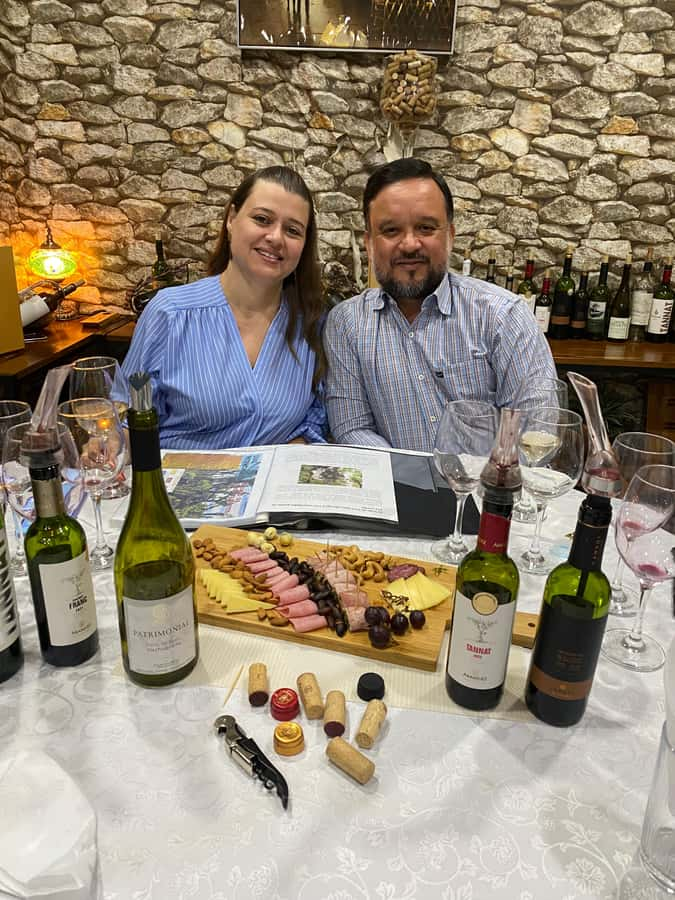
- Four wines, opened on site: The tasting moves through a selected range of Bolivian bottles and finishes with a Tannat.
- Heritage grapes are the real draw: Some of the varieties are difficult to find in restaurants, giving you a chance to taste beyond the usual international labels.
- Guillermo leads the session: He explains Bolivian wine production in English or Spanish and guides you through the basic steps of tasting.
- The food is part of the experience: A chef prepares a board with local cheeses and cold cuts to match the wines.
- Small and personal: The group is limited to six people, with two hours for questions, tasting, and conversation.
- Simple logistics: Meet at a white four-block building on Calle Espejos #10, close to Pirai Avenue and Second Ring Avenue.
Why Bolivian wine makes this tasting worth your time
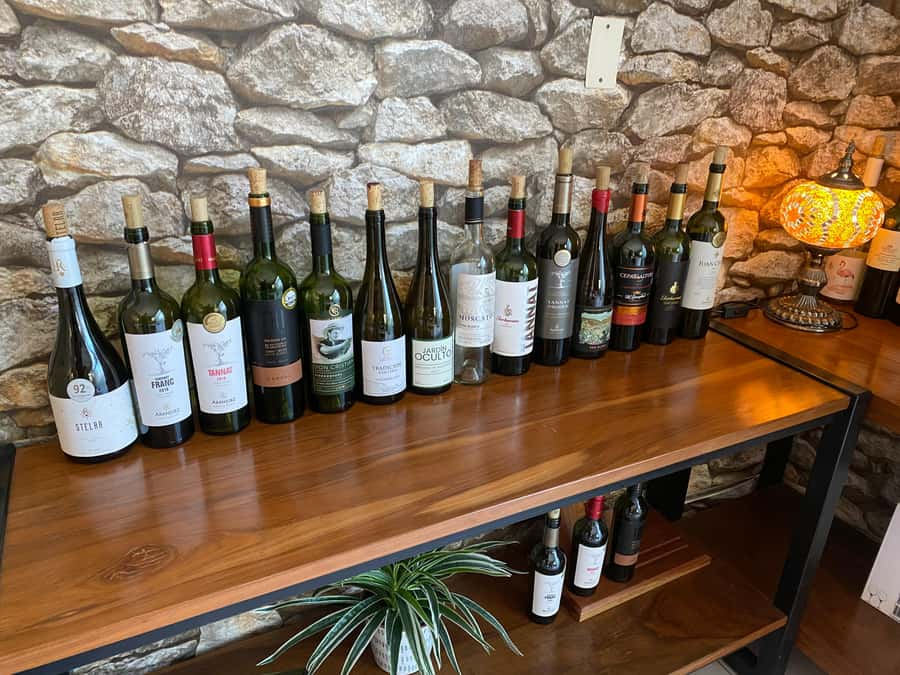
Bolivia has a wine story that many visitors have not yet encountered. This tasting gives you a useful introduction without asking you to spend a full day traveling outside Santa Cruz. You learn where vineyards are located in the country, how the local wine tradition developed, and which grape varieties appear in the bottles placed on the table.
That background matters. Without it, a lesser-known wine can seem unfamiliar simply because you do not know what to expect. Guillermo gives you a framework for understanding the wines before you judge them. You learn to pay attention to the color, aroma, taste, and finish rather than rushing from one glass to the next.
I also like that the session does not rely only on famous international grapes. The selection includes Bolivian heritage grapes, many of which are not easy to find on restaurant wine lists. For a wine drinker, this is the difference between a standard tasting and a chance to learn something you may not encounter again during your trip.
The bottles include internationally award-winning wines, but the point is not simply to announce prizes. The tasting shows how Bolivia is producing wine with enough quality to earn attention beyond its own borders. You can compare those better-known bottles with less familiar heritage varieties and decide what you actually enjoy.
A few more trips around Bolivia worth a look
- From La Paz: Trip to Uyuni Salt Flats with Wine at Sunset
★ 4.4 · 4 reviews
Arriving at Calle Espejos #10
The meeting point is at calle Espejos #10, near Pirai Avenue and Second Ring Avenue. Look for a white four-block building. Guillermo waits at the entrance, so you do not need to search through a restaurant or larger public venue.
There is no transportation included. You will need to reach the address yourself, and the directions should be checked carefully before you set out. This is an important practical detail because the tasting does not begin at a hotel, a vineyard, or a clearly branded commercial venue.
The private-home setting shapes the entire evening. You are not walking into a busy dining room with several tables and a long wine list. You are entering a more personal space designed for a small group. That can make it easier to ask basic questions, especially if you know little about Bolivian wine.
It also means you should be comfortable with a home-based activity. The arrangement is intimate and informal, not a formal winery tour. Smoking indoors is not allowed, and you should bring an ID card. A copy is accepted.
The first 15 minutes: a short lesson in Bolivian wine
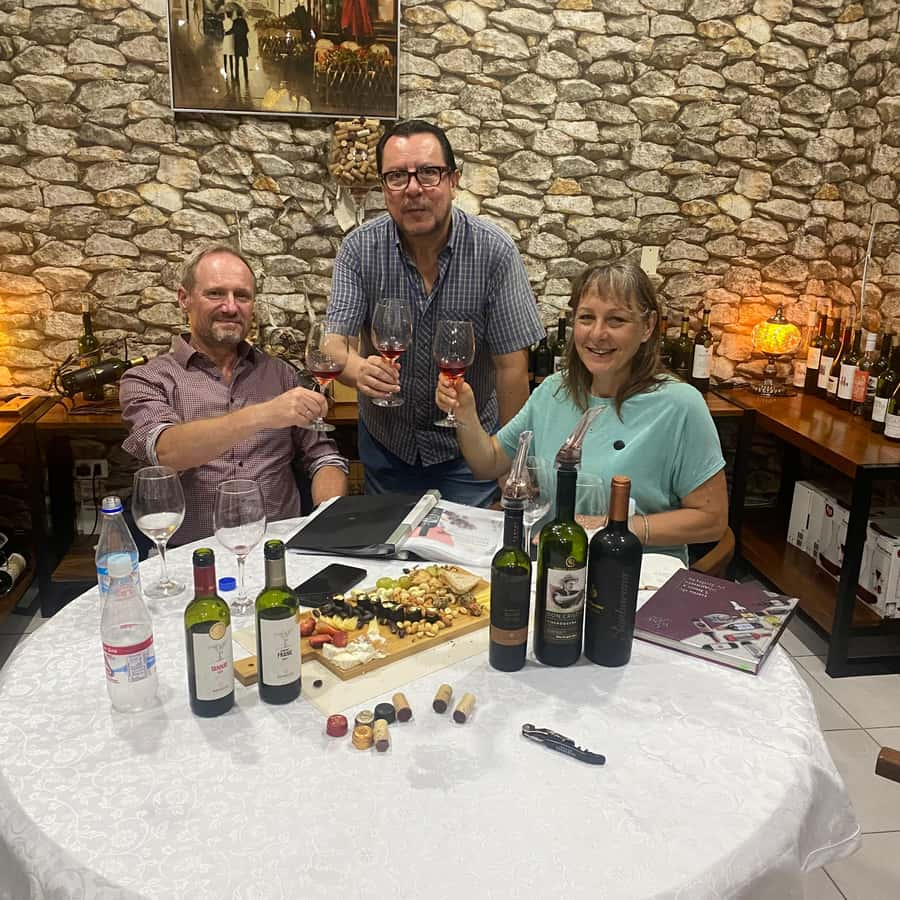
The activity begins with about 15 minutes of explanation. Guillermo introduces the history of Bolivian wine, the regions where vineyards are found, and the grape strains you will taste.
This is a good use of the opening minutes. You get the national picture before moving into the glasses, and you can place each bottle in a wider context. The session is not just a sequence of pours. It is meant to show how the wines connect to Bolivia’s wine-producing areas and traditions.
The language choice is useful for international visitors. The activity is offered in both Spanish and English, so you can follow the explanation without relying on another member of your group to translate. The group limit of six should also leave room for questions.
I would use this opening to ask about the heritage grapes, the regions represented by the bottles, and the reason the wines were chosen. Those questions fit the purpose of the class and can help you remember more than the label names alone.
Learning how to taste instead of simply drinking
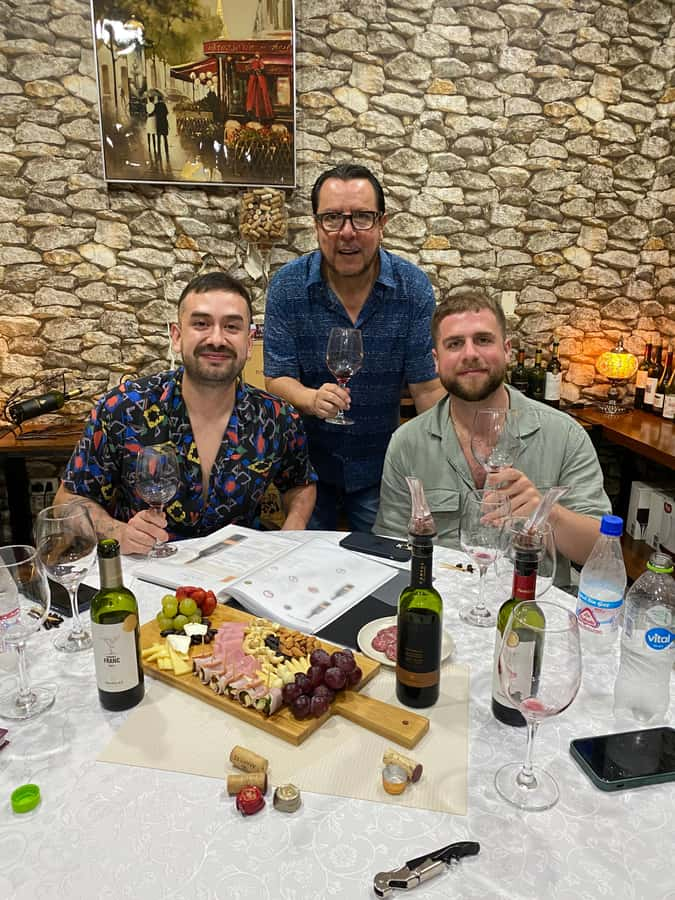
After the introduction, Guillermo explains the steps used to taste wine in a more thoughtful way. You move through the process as each bottle is uncorked on site.
That may sound basic to an experienced wine drinker, but it is useful for anyone who normally pours a glass and moves on. You are encouraged to look at the wine, smell it, taste it, and consider how it changes as you hold it in your mouth. The pace gives you time to compare rather than swallow one sample and immediately reach for the next.
The guided approach also helps you avoid judging an unfamiliar grape too quickly. A heritage variety may not taste like the wines you usually order. With some instruction, you can separate personal preference from the question of quality.
The experience lasts two hours, with roughly 30 minutes set aside for the first wine tasting, 15 minutes for the food tasting, and about an hour for the later wine tasting. These times are approximate parts of the planned flow, not separate appointments. Expect the evening to feel like one continuous class and social gathering.
Same base, a very different day:
- La Paz and El Alto: Cable Car Rides and Walking Tour
★ 4.8 · 790 reviews - Day Trip to Uyuni Salt Flats
★ 4.0 · 602 reviews - La Paz Half-Day Walking Tour
★ 4.8 · 591 reviews - La Paz: Private City Tour with Cable Car & Moon Valley Visit
★ 4.9 · 508 reviews
The four-wine progression
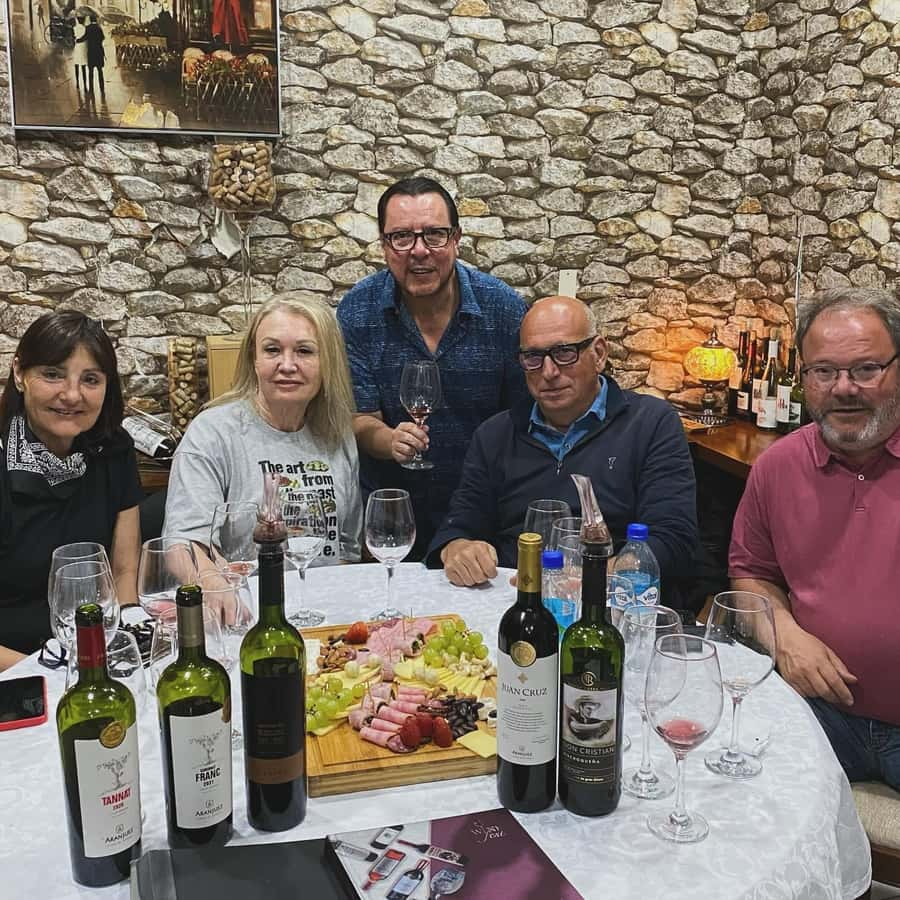
Four Bolivian wines are opened during the session. The selection increases in quality as it progresses, ending with one of the strongest bottles in the group, a Tannat.
That order gives the tasting a clear shape. You begin by learning the method, then build your comparisons, and finally reach the bottle chosen as the high point. It is a sensible format because you can notice how the wines differ without starting with the most powerful or expensive-feeling sample.
The Tannat finish is particularly useful for anyone interested in full-bodied red wine. Tannat is a serious grape with a firm character, and placing it at the end gives the session a memorable final glass. The available information does not specify the exact labels, vintages, or pour sizes, so you should not book expecting a particular bottle unless Guillermo confirms the current selection.
That changing selection is part of the appeal. The tasting includes wines that are difficult to find in restaurants, so the bottles may be more interesting than a familiar supermarket lineup. You get a chance to ask what makes each wine important, how it compares with the others, and which bottles are most representative of Bolivia.
The award-winning wines add another point of comparison. You can taste bottles that have received international recognition while also exploring grapes and styles that may be new to you. This gives the session both a dependable anchor and a sense of discovery.
A chef-prepared board with local flavor
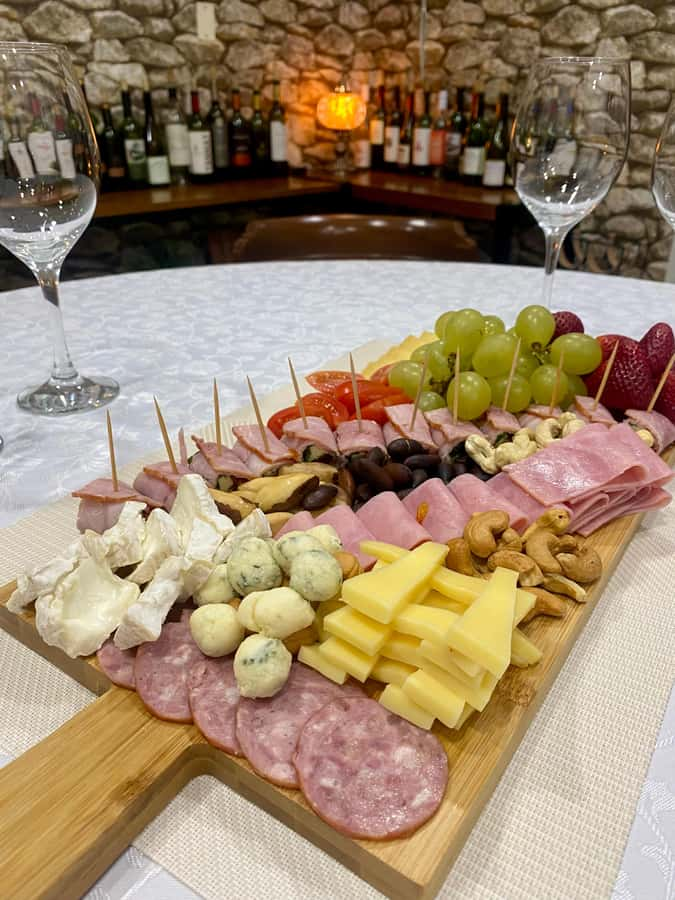
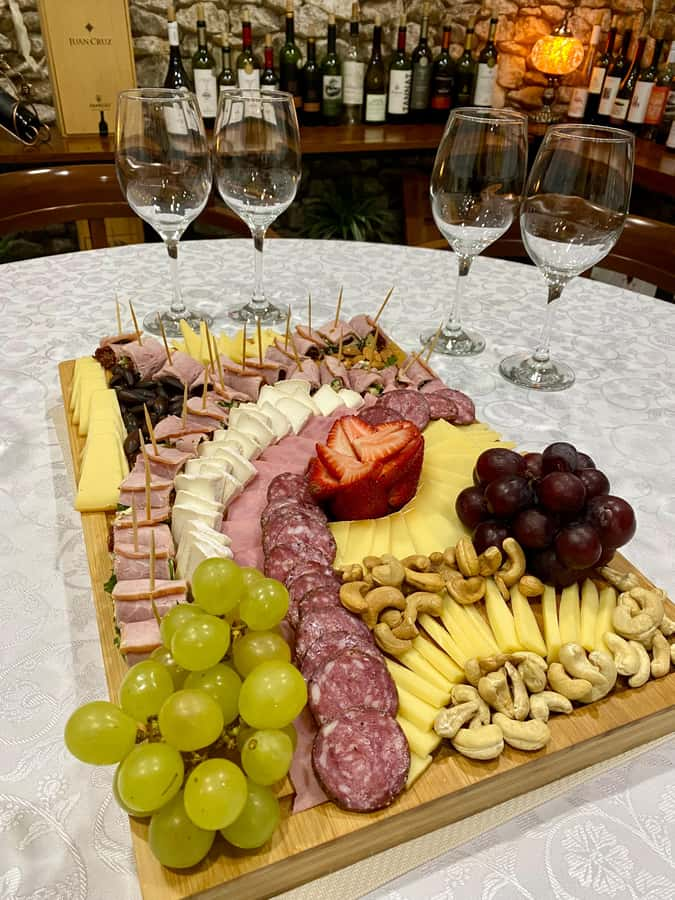
The food portion includes a charcuterie board prepared by a chef friend of Guillermo. It contains local cheeses and cold cuts, making it more substantial than a few snacks placed beside the glasses.
The board serves two purposes. First, it keeps you comfortable during a two-hour tasting. Second, it lets you see how the wines work with local food rather than tasting them in isolation. A cheese or cured meat can change the way you perceive acidity, fruit, salt, and tannin.
The menu is not described in detail, so you should not expect a fixed list of particular cheeses or meats. The useful promise is the pairing of local products with the wines and the fact that the board is prepared by a chef.
I appreciate this approach because the food adds a social side to the class. You have a natural reason to pause between pours, talk with the group, and compare reactions. Several parts of the experience are designed to make you feel at home, and the food is central to that tone.
If you have dietary restrictions, ask before booking. The supplied information confirms local cheeses and cold cuts, but it does not list vegetarian, vegan, gluten-free, or allergy-specific alternatives.
What Guillermo adds to the evening
Guillermo is the guide and host, and his role is more than pouring wine. He leads the history lesson, explains the tasting steps, describes the grapes, and answers questions about Bolivian wine.
His enthusiasm for the country and its wines is part of the experience. The session works best if you enjoy a guide who wants to talk about the subject rather than simply hand you a tasting card. You can expect a warm, conversational atmosphere and plenty of room for direct questions.
The small group is important here. With a maximum of six participants, you are less likely to disappear into the back of a large class. If you are traveling alone, this format also gives you a ready-made social setting without the noise of a crowded bar.
The English and Spanish options make the session suitable for a mixed group. Still, the exact depth of conversation can depend on who attends and what questions are asked. If you want a technical lecture on winemaking, this may feel relaxed. If you want a friendly master class with room to talk, the format fits well.
Is $49 a fair price?
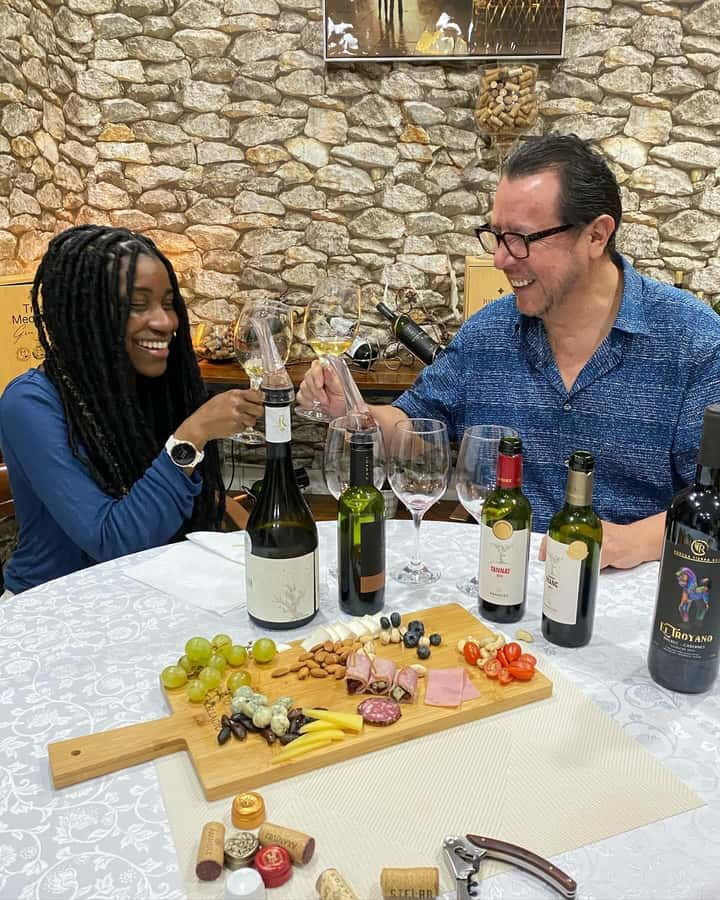
At $49 per person, the value depends on what you want from a wine outing. You receive four wines, a chef-prepared charcuterie board, a guided explanation of Bolivian wine, and two hours of personal instruction. Transportation is not included, so your budget should include the cost of getting to and from Calle Espejos.
For a simple tasting at a bar, $49 could feel high. This is not just four small pours with no explanation. You are paying for hard-to-find wines, local food, a host who specializes in Bolivian wine, and a group capped at six people.
I see the strongest value in the access. Bolivia’s lesser-known heritage grapes may not be easy to locate on your own, especially if you are only in Santa Cruz for a short stay. The tasting lets you sample them in one sitting and ask questions that would be difficult to answer from a restaurant menu.
The price makes the most sense for someone who is curious about the country’s wine industry, enjoys guided tastings, and values a personal setting. It makes less sense if you do not drink wine, want a vineyard walk, or are mainly looking for a cheap evening snack.
Who should book this Santa Cruz tasting?
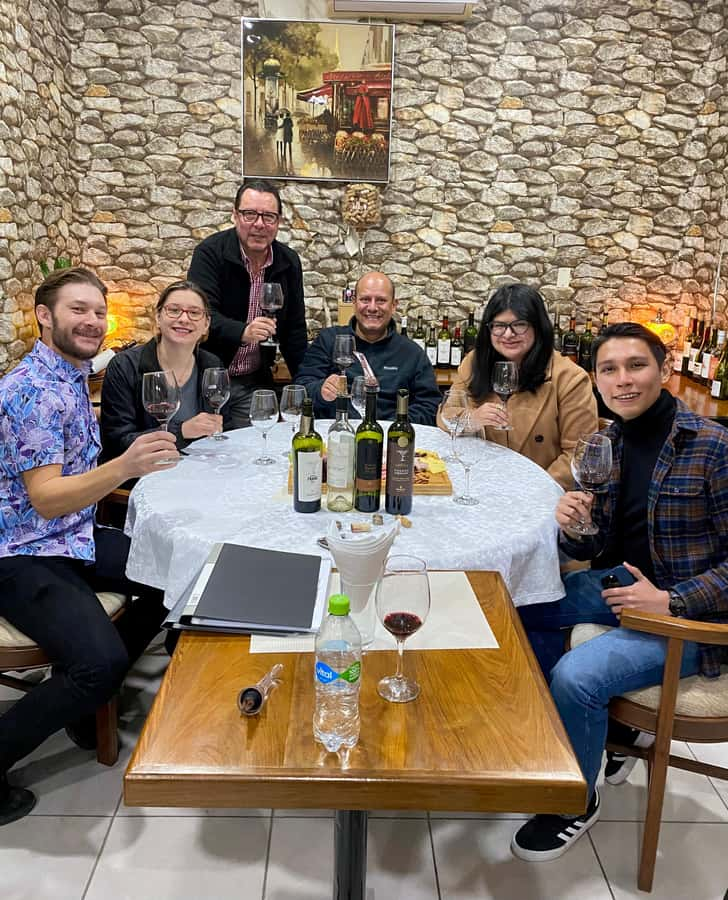
I would recommend it to wine drinkers who want an activity beyond the standard city sights. It is especially suitable if you enjoy regional food, unusual grape varieties, and conversations with a host who cares about the subject.
It also suits couples, friends, and solo visitors. The small group gives you a chance to meet other people without turning the event into a loud party. The food makes it social, while the guided tasting gives the evening enough structure.
You must be at least 18, and the activity is not suitable for children or pregnant women. Anyone who dislikes wine, cold cuts, or home-based activities should choose something else.
The activity is wheelchair accessible, which is useful for visitors who need that feature. Since transportation is not provided and the meeting point is a private residence, confirm that the route and entrance work for your needs before you go.
Practical details that affect your choice
Plan to arrive at the stated meeting point rather than expecting pickup. The address is close to Pirai Avenue and Second Ring Avenue, and the guide waits at the entrance of the white building.
Bring an ID card, with a copy accepted. Smoking indoors is not allowed.
The activity lasts two hours, but starting times vary. Check availability for the date you want. Free cancellation is available up to 24 hours in advance for a full refund, and you can reserve now and pay later, which helps if your Santa Cruz schedule is still changing.
The tasting is offered in English and Spanish. The maximum group size is six. Those details are more important than they may first appear: they tell you this is a focused, conversational session rather than a large commercial tour.
Should you book the Bolivian wine tasting?
Book it if you want to learn why Bolivia deserves a place on the wine map, taste heritage grapes that may be hard to find elsewhere, and spend two relaxed hours with a host who knows his subject. The combination of four wines, local cheeses and cold cuts, English or Spanish guidance, and a six-person limit gives the $49 price a solid case.
Skip it if you need transportation, want to visit an actual vineyard, or prefer a formal restaurant setting. For everyone else, this is a smart Santa Cruz choice, especially if you have already seen the main sights and want a more personal connection with local food and drink.
FAQ
Where does the Bolivian wine tasting take place?
It takes place at a private home at calle Espejos #10 in Santa Cruz Department. The building is white, has four blocks, and is close to Pirai Avenue and Second Ring Avenue.
How long does the experience last?
The tasting lasts two hours. The planned flow includes an introduction, wine tasting, food tasting, and additional wine tasting.
How many wines are included?
Four Bolivian wines are included. They are uncorked on site during the experience.
What food is served?
You receive a charcuterie board with local cheeses and cold cuts. The board is prepared by a chef friend of the host.
Is the tasting available in English?
Yes. The live guide can lead the experience in English or Spanish.
How many people can join the group?
The group is limited to six participants, making this a small-group activity.
Is transportation included?
No. You must arrange your own transportation to the meeting point at Calle Espejos #10.
What should I bring?
Bring an ID card. A copy of the ID is accepted.
Can I cancel the booking?
Yes. You can cancel up to 24 hours in advance for a full refund. You can also reserve now and pay later.
Just added around Bolivia
- Uyuni tour express from Sucre by bus (round trip)★ 4.2 · 4 reviews
- UYUNI SALT FLAT: SUNRISE & STARLIGHT EXPERIENCE★ 3.1 · 3 reviews
- Uyuni: Classic Uyuni Salt Flats Tour + Hotel Pickup★ 3.0 · 4 reviews
- Uyuni: Salar de Uyuni Traditional Tour+Sunset Tour★ 4.8 · 3 reviews
- UYUNI SALT FLAT: SUNSET & STARLIGHT EXPERIENCE★ 5.0 · 3 reviews
- Uyuni: Salar de Uyuni and San Pedro de Atacama 3-Day Tour★ 4.2 · 4 reviews
- Uyuni: 3-Days Salt Flats and Desert Adventure Tour with Food★ 3.8 · 4 reviews
- Uyuni: Full-day tour, Salt flats and Sunset experience★ 4.8 · 5 reviews
Santa Cruz de la Sierra Tours, compared.

Walking tour – A journey through the History of Santa Cruz
Read our review →
Browse the lists this tour appears in