
Reviewed · WALKING TOURS
Walking tour – A journey through the History of Santa Cruz
Santa Cruz de la Sierra makes more sense once you see how its old town connects prehistoric beginnings, independence, and modern civic life. This 150-minute walk moves through museums, a cathedral, an art gallery, and historic houses rather than treating the city as a quick photo stop.
I like the small groups of up to four and the unusually low $11 price, which includes admission to four museums and cultural sites. I also like that guide Paul adds personal knowledge of growing up in Santa Cruz, along with practical restaurant tips. The main drawback is the pace: you cover a lot in two and a half hours, and the tour offers little time for food tasting or extended gallery visits.
Key points at a glance
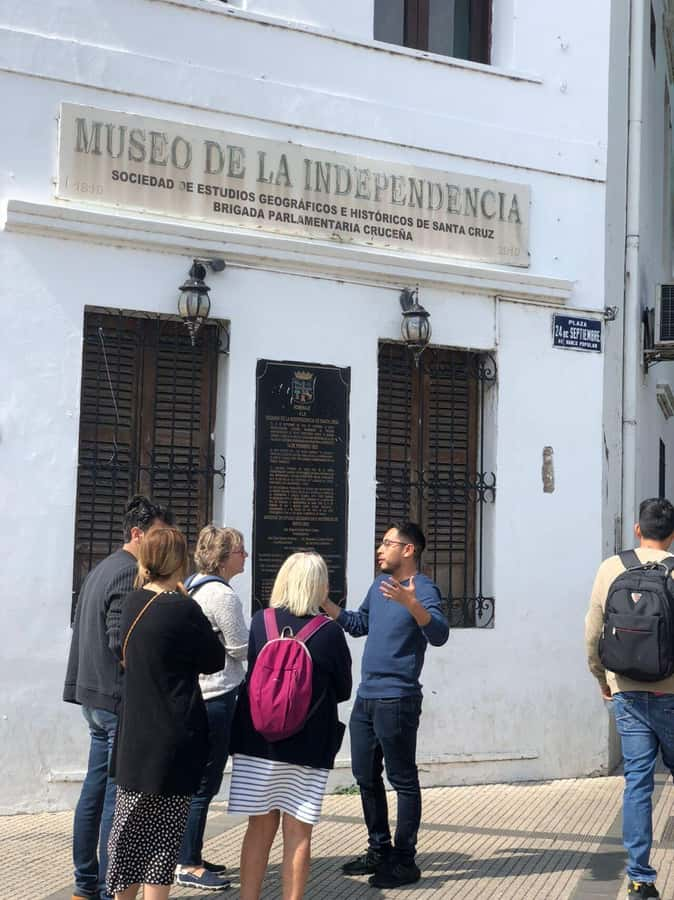
- Four included cultural stops: Your fee covers the Museum of History, Museum of Santa Cruz Independence, City Museum, and Casa Cultural Melchor Pinto Parada.
- A local guide called Paul: He leads tours in English or Spanish and explains both city history and modern Santa Cruz.
- A compact old-town route: The walk begins and ends near September 24 Square, with no hotel transfer needed.
- A clear value at $11: Museum admissions are included, making this a useful first activity in the city.
- A warm-weather walk: Bring comfortable shoes, a hat, sunscreen, and water.
- Not designed for everyone: The activity is not suitable for wheelchair users, people with mobility impairments, or people over 80.
Why this short walk helps you understand Santa Cruz
Santa Cruz can be harder to read than Bolivia’s famous highland cities. Its identity is tied not only to colonial-era buildings, but also to civic struggles, political change, regional pride, and rapid growth. This tour gives you a framework for those subjects before you go off exploring alone.
You begin beside Casa Municipal de Cultura Raúl Otero Reiche, on the side of September 24 Square. That central meeting point is useful because you are already in the historic core, close to several of the city’s main cultural buildings.
The route is not a long-distance hike. It is a guided city walk with several indoor stops, so its value comes from interpretation rather than exercise. You can look at a building on your own, but a guide can explain why it matters and how Santa Cruz fits into Bolivia as a whole.
Paul receives especially strong praise for explaining the city from its earliest inhabitants to the present day. He is also from Santa Cruz, and his own memories help connect formal history with everyday life. His English is described as very good, which matters if you want to ask questions about politics, local customs, or the city’s growth.
A few more trips around Bolivia worth a look
- Walking tour in Sucre: History, Culture & Amazing Views
★ 4.8 · 79 reviews - Sucre: Free Walking tour (History, culture and traditions)
★ 4.8 · 47 reviews - Sucre: A Day Spent Exploring the Historic Area of the City
★ 4.8 · 4 reviews
September 24 Square and the first steps
The walk starts at September 24 Square, where you meet your guide and get your bearings. This is the natural front door to Santa Cruz’s old town, and the opening walk takes about 15 minutes.
The route may pass through market areas early on, which gives you a quick look at daily life before the museum portion begins. That mix is useful, though the transition may feel slightly uneven if you expect the historical story to begin immediately. One useful way to approach it is to treat the first section as an introduction to the city as it is now, before moving back into its earlier past.
Your guide can help set up the central question of the tour: how did Santa Cruz grow from a regional settlement into one of Bolivia’s most important cities? The activity does not promise a full study of every period, but it gives you a guided thread to follow.
Museo de Historia de la UAGRM
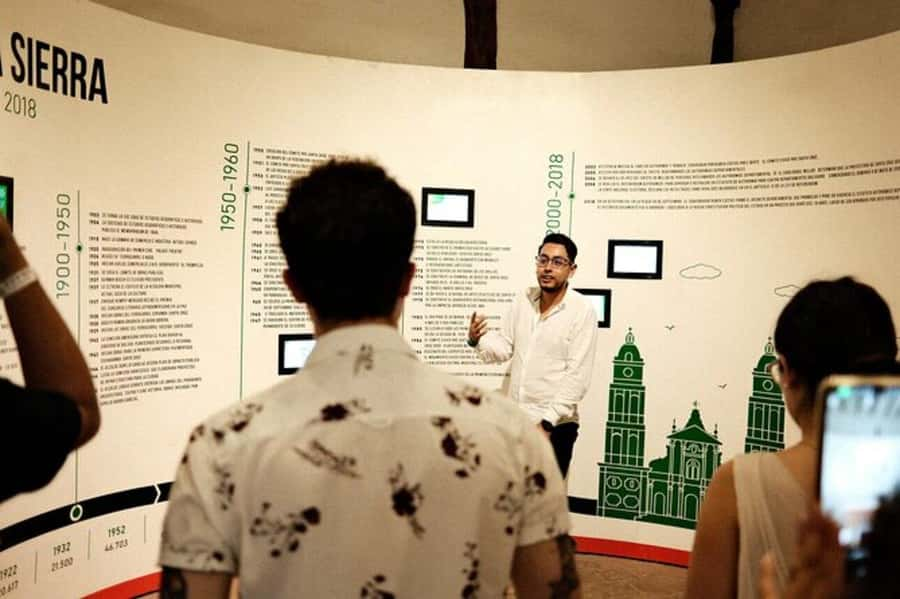
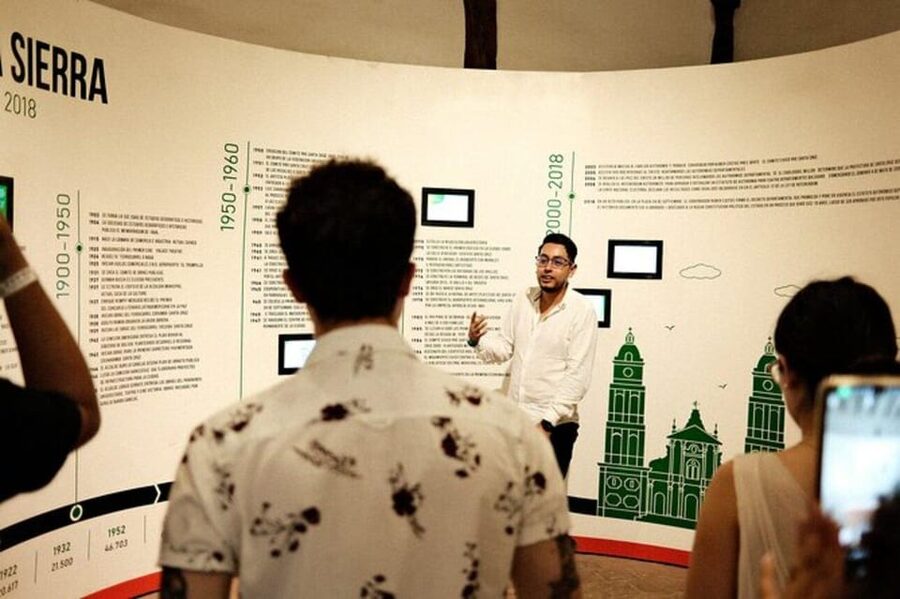
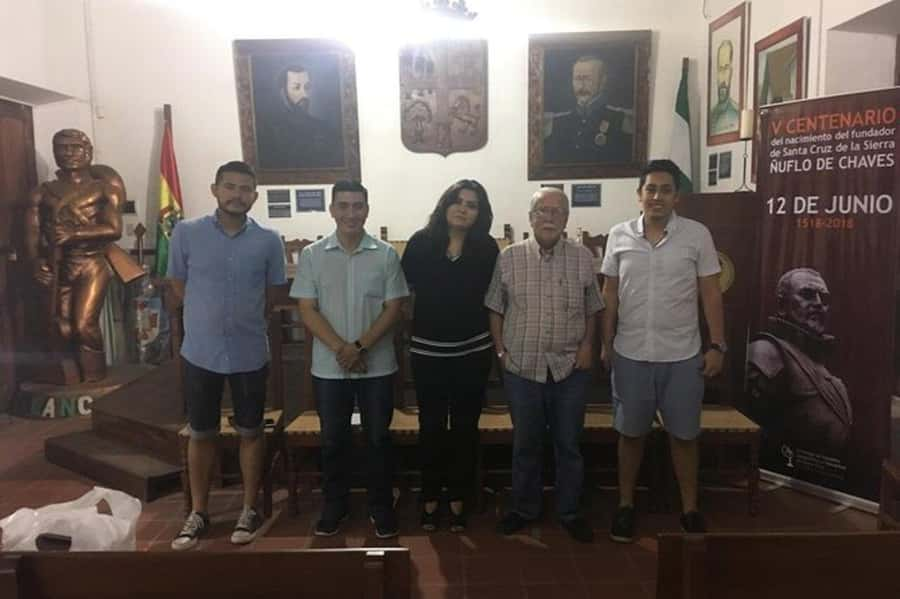
The first major stop is the Museo de Historia de la UAGRM, where you spend about 40 minutes with a guided visit. This is the tour’s main starting point for understanding Santa Cruz’s early development.
The museum covers the city’s beginnings, including its prehistoric era and early inhabitants. That makes it more than a collection of old objects. It establishes that Santa Cruz’s story began long before the modern streets and institutions you see around the square.
I like this part of the route because it prevents the tour from reducing Santa Cruz to its colonial center. You get a longer timeline, from early human presence through the city’s later development. If you have limited time in Santa Cruz, this kind of introduction can make later visits more meaningful.
The 40-minute stop is also long enough for explanation, but not so long that the tour becomes a museum lecture. Keep in mind that the exact balance depends on your guide and your questions. If you want a detailed look at every display, this tour may move faster than you would on an independent museum visit.
San Lorenzo Cathedral and the independence story
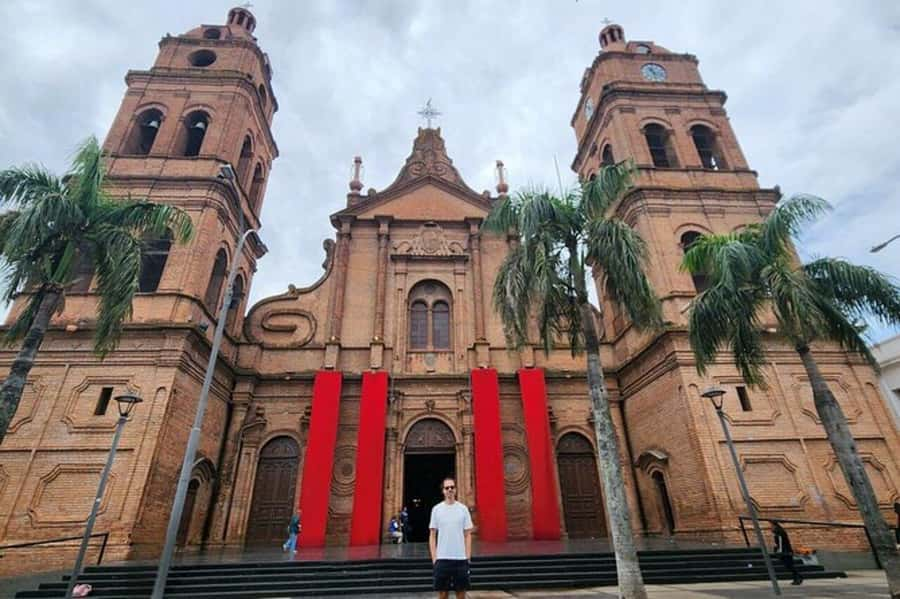
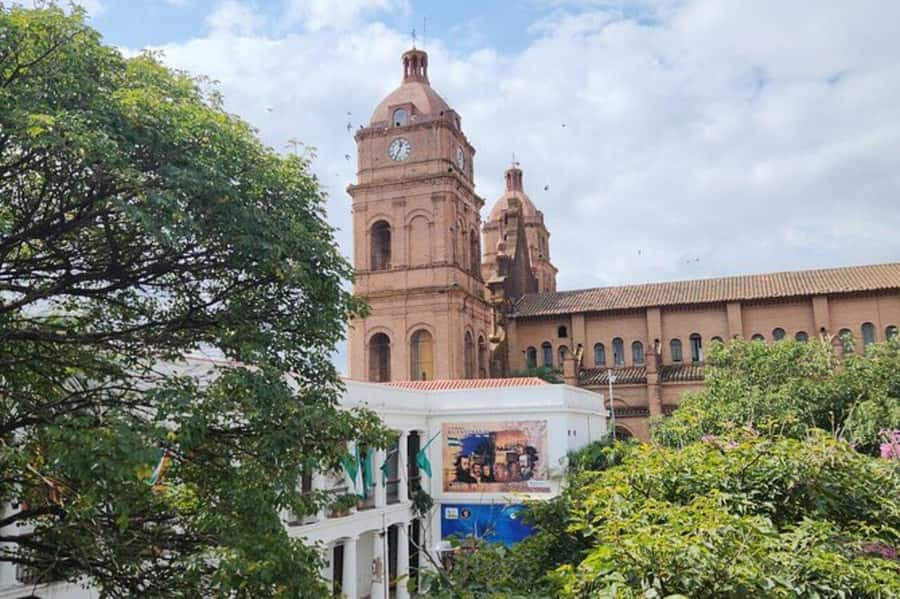
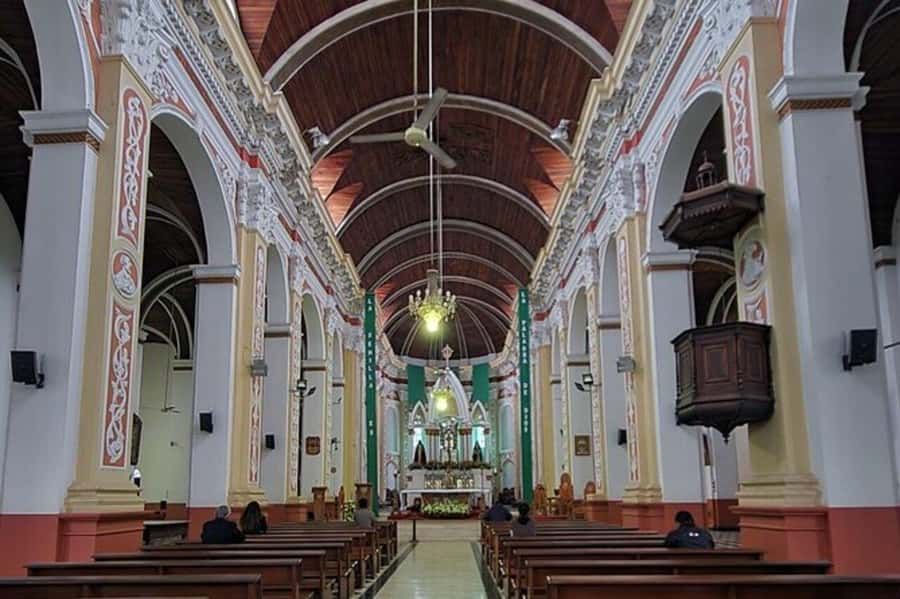
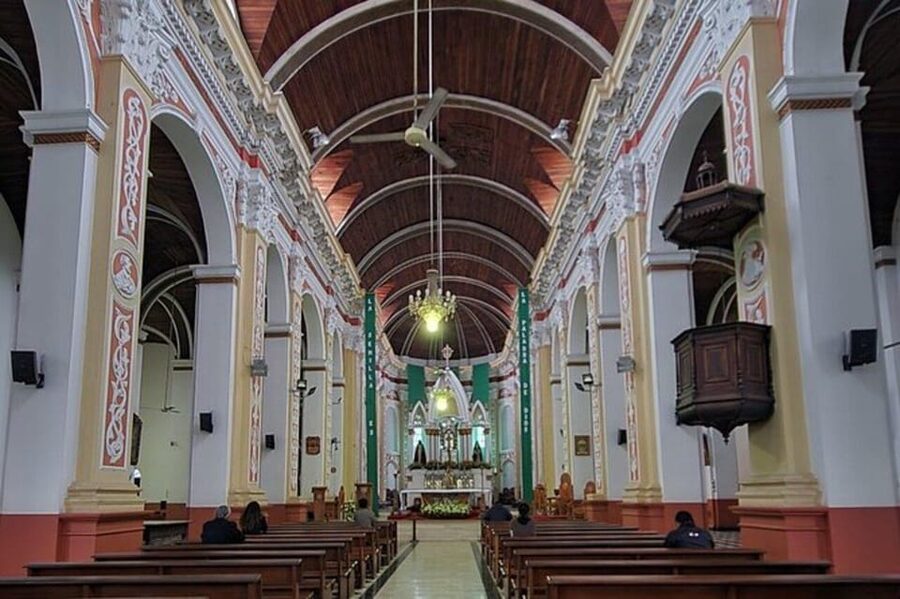
Next comes the Catedral Metropolitana Basílica Menor de San Lorenzo de Santa Cruz. The schedule allows about 20 minutes for a visit, guided explanation, and photographs.
The cathedral is an important visual pause in the route. After the museum’s focus on objects and early history, you can look at one of the city center’s major religious and civic landmarks. The stop is not presented as a separate long cathedral tour, so you should think of it as part of the wider story of the historic center.
The itinerary also includes the Museum of Santa Cruz Independence. This is one of the key places for understanding the city’s civic and political struggles. Santa Cruz’s place in Bolivia cannot be explained only through architecture or dates. Independence shaped local identity, and the museum gives that subject a dedicated setting.
Photography is allowed during the activity, but flash photography is not permitted inside museums. A camera or phone is still worth bringing for exterior details and approved indoor shots. If you prefer to listen closely, keep your camera ready but do not let picture-taking take over the short visit.
Same base, a very different day:
- La Paz and El Alto: Cable Car Rides and Walking Tour
★ 4.8 · 790 reviews - Day Trip to Uyuni Salt Flats
★ 4.0 · 602 reviews - La Paz Half-Day Walking Tour
★ 4.8 · 591 reviews - La Paz: Private City Tour with Cable Car & Moon Valley Visit
★ 4.9 · 508 reviews
The City Museum and its art gallery
The City Museum adds another layer to the route by combining Santa Cruz history with an art gallery. That combination is helpful because it shows the city through more than official documents or political events.
You can expect a guided visit focused on the city’s development, with artwork providing a different way to see local culture. The art component may appeal to you if museums centered only on dates and battles begin to feel dry.
There is a practical tradeoff here. Santa Cruz has many art galleries worth visiting, but this 150-minute route cannot give each one much time. If art is a major reason for your visit, use this stop as a sampler and ask Paul for suggestions about what else to see. One useful feature of the tour is that the guide can point you toward further places after the walk.
The City Museum also helps answer a wider question: how does a city preserve its past while growing quickly? You will not get every answer in one visit, but the combination of history and art gives you a more rounded picture than a simple plaza walk.
Casa Cultural Melchor Pinto Parada and the 20th century
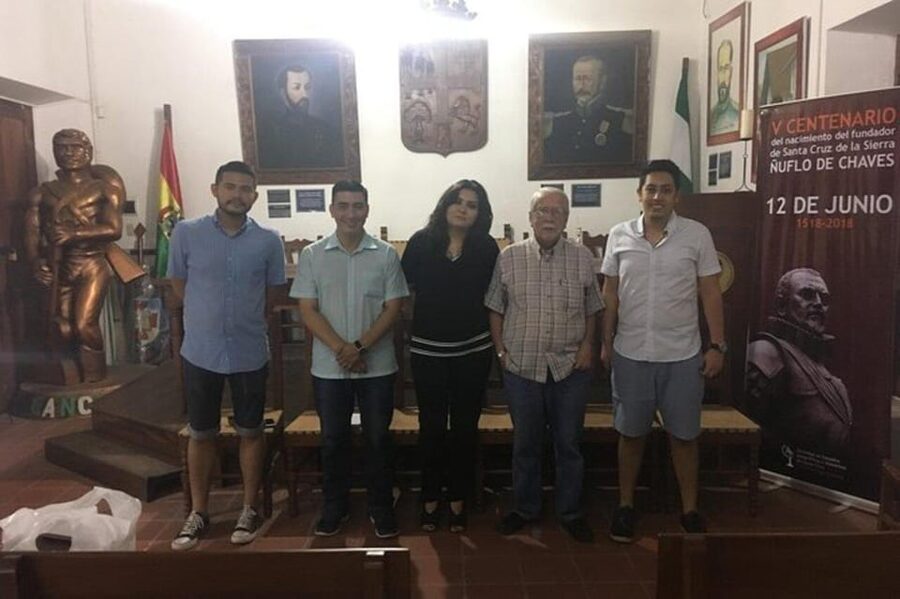
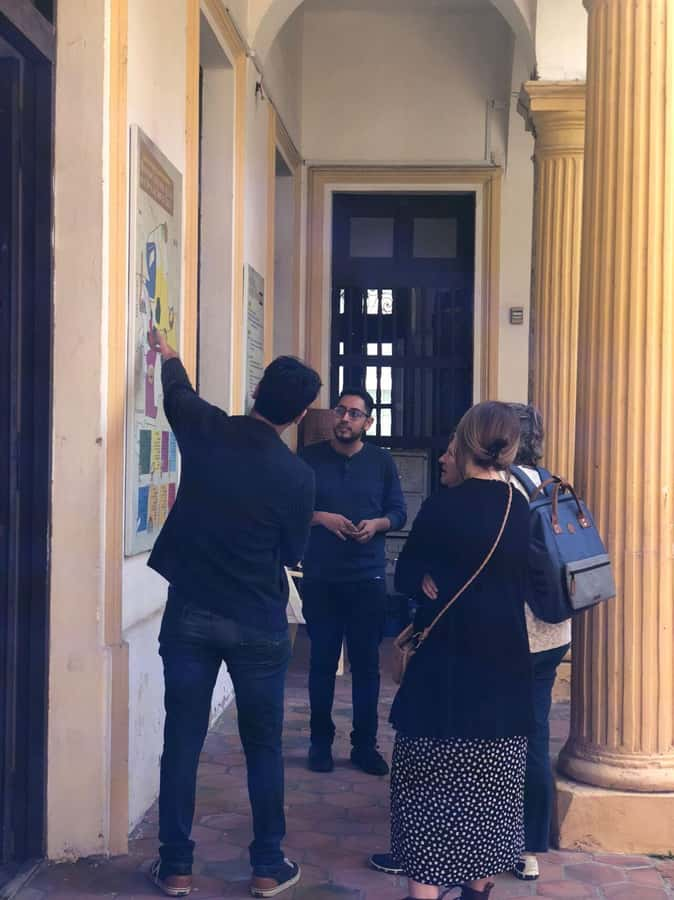
The final major stop is Casa Cultural Melchor Pinto Parada, which serves as the 20th Century Museum. You spend about 30 minutes here before returning to Casa Municipal de Cultura Raúl Otero Reiche.
This is an important ending because it brings the story closer to the present. The earlier museums explain origins and independence, while this stop focuses on the changes that shaped modern Santa Cruz.
The city’s rise to national importance is one of the main ideas running through the tour. The 20th-century museum gives you a place to consider that growth in political, civic, and social terms. If you have wondered why Santa Cruz de la Sierra became such an important Bolivian city, this is where the guide’s explanation should come together.
The stop also keeps the tour from ending in a distant past. You leave with a better sense of how history continues into modern city life. That is especially useful if you are staying longer and plan to explore beyond the old town.
How much value do you get for $11?
At $11 per person, this is an inexpensive way to build an introduction to Santa Cruz. The price includes the guide and admission to the Museum of History, the Museum of Santa Cruz Independence, the City Museum, and Casa Cultural Melchor Pinto Parada.
That matters because entrance fees can make a short city walk less attractive when they are added one by one. Here, the admissions are bundled into a compact route, so you can visit several cultural sites without arranging each one yourself.
I would not book it mainly for entertainment or food. Meals, drinks, and personal expenses are not included. The tour also does not include hotel pickup or drop-off, though the central meeting point makes private transport unnecessary for anyone already near the old town.
The strongest value comes from time. In 150 minutes, you get a guide, a historical overview, four cultural visits, and a chance to ask questions. If you have only a short stay in Santa Cruz, that is a sensible use of part of an afternoon or morning.
What the walking conditions are like
Santa Cruz is warm enough that you should plan the walk properly. Wear light clothing, comfortable shoes, and a hat. Sunscreen and a water bottle are practical necessities, not extras.
The route includes walking between sites and standing during guided visits. The activity is not suitable for people with mobility impairments or wheelchair users, and electric wheelchairs are specifically not allowed. It is also listed as unsuitable for people over 80.
You do not need special equipment. Bring a camera if you enjoy recording architectural details, but remember that flash photography is forbidden inside museums. Alcohol, drugs, and explosive substances are not allowed.
The tour is limited to four participants, which makes it easier to hear the guide and ask questions. Small size also gives the walk a more personal feel, though it means availability may be limited on your preferred date.
English, Spanish, and the guide’s local perspective
The tour is available in English and Spanish. That makes it practical for international visitors who want more than a guidebook summary, as well as Spanish-speaking visitors looking for a focused explanation of the city center.
Paul is the guide most closely associated with this experience. His strongest quality is his command of Santa Cruz’s story, from early settlement through modern politics and civic life. He also grew up in the city, so you can ask about the difference between the formal history in the museums and the city he experienced personally.
The local angle is useful in small ways, too. Paul has given restaurant advice, including recommendations for traditional food. That can extend the tour into the rest of your day, even though eating is not part of the activity itself.
One point to keep realistic: the focus is history, not food. You may pass markets, and you can ask for restaurant or local drink suggestions, but there is no tasting included. If you want street food, local drinks, or a dedicated market visit, plan that separately or ask if the guide offers another option.
Who should book this Santa Cruz walk?
I would recommend it most strongly if you want a clear introduction before exploring on your own. It suits first-time visitors, people with a short stay, and anyone who wants context for Santa Cruz’s political and civic identity.
It is also a good fit if you enjoy museums but prefer them in manageable portions. The route gives you four cultural stops without asking you to spend an entire day indoors.
You may want something else if you prefer a relaxed stroll with long café breaks, food sampling, or extensive photography. The schedule is fairly full, and the tour keeps moving. Art lovers should also see this as an introduction rather than a complete gallery tour.
Book with free cancellation up to 24 hours before the start if your plans are uncertain, and the reserve-now, pay-later option keeps the booking flexible. Check the available start times before you commit, since the activity lasts 150 minutes.
Should you book it?
Book this tour if you want to understand Santa Cruz rather than simply walk past its central buildings. For $11, you get a small group, English or Spanish guidance, four included cultural stops, and a focused account of the city from prehistoric times to the 20th century.
I would especially choose it early in a Santa Cruz visit. Paul’s explanations and restaurant suggestions can help shape the rest of your time. Just bring water, sun protection, and realistic expectations: this is a history walk with museums, not a food tour or a leisurely gallery crawl.
FAQ
How long does the walking tour last?
The tour lasts 150 minutes, or two and a half hours.
How much does the tour cost?
The price is $11 per person.
Where does the tour meet?
Meet in front of Casa Municipal de Cultura Raúl Otero Reiche, on the side of September 24 Square.
Which languages are available?
The tour is offered in English and Spanish.
How large is the group?
The group is limited to four participants.
What admissions are included?
Admission is included for the Museum of History, the Museum of Santa Cruz Independence, the City Museum, and Casa Cultural Melchor Pinto Parada.
Is food included?
No. Meals, beverages, and personal expenses are not included.
What should I bring?
Bring comfortable walking shoes, light clothing, a hat, sunscreen, a camera, and a water bottle.
Is the tour suitable for wheelchair users?
No. The activity is not suitable for wheelchair users or people with mobility impairments. It is also listed as unsuitable for people over 80.
Just added around Bolivia
- Uyuni tour express from Sucre by bus (round trip)★ 4.2 · 4 reviews
- UYUNI SALT FLAT: SUNRISE & STARLIGHT EXPERIENCE★ 3.1 · 3 reviews
- Uyuni: Classic Uyuni Salt Flats Tour + Hotel Pickup★ 3.0 · 4 reviews
- Uyuni: Salar de Uyuni Traditional Tour+Sunset Tour★ 4.8 · 3 reviews
- UYUNI SALT FLAT: SUNSET & STARLIGHT EXPERIENCE★ 5.0 · 3 reviews
- Uyuni: Salar de Uyuni and San Pedro de Atacama 3-Day Tour★ 4.2 · 4 reviews
- Uyuni: 3-Days Salt Flats and Desert Adventure Tour with Food★ 3.8 · 4 reviews
- Uyuni: Full-day tour, Salt flats and Sunset experience★ 4.8 · 5 reviews
Walking Tours, compared.
La Paz and El Alto: Cable Car Rides and Walking Tour
Read our review →
Walking tour in Sucre: History, Culture & Amazing Views
Read our review →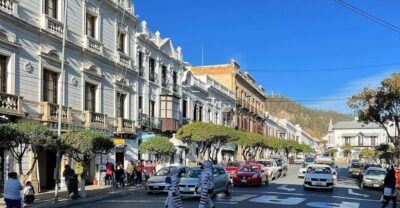
Free Walking tour (History, culture and traditions)
Read our review →

Browse the lists this tour appears in