
Reviewed · TIWANAKU RUINS TOURS
Private Tour of Tiwanaku Ruins from La Paz
Tiwanaku is not a quick photo stop. It is a full day with ancient temples, carved stonework, museums, and wide Andean scenery between La Paz and the ruins. The site is linked to one of the oldest civilizations in the Americas, and the scale of its stonework gives you plenty to think about.
I like the private vehicle and hotel pickup, since the two-hour journey each way is far easier when you are not managing buses. I also like the English-speaking guide, especially if you want the social and cultural meaning behind the stones. The main drawback is the long road time: you spend about four hours in transit for roughly two hours at the archaeological site, plus lunch.
Key points to know before booking
- Tiwanaku is a full-day outing: Plan on eight hours from hotel pickup in La Paz to your return.
- The tour is private: You travel with your own group, guide, and vehicle rather than joining a large coach.
- The guide adds real value: English and Spanish are available, and guide Juan has explained the culture’s social setting and construction methods clearly.
- The visit covers the major monuments: Expect Akapana, Kalasasaya, the Sun Gate, Pumapunku, the Moon Gate, Putuni, Kantatalite, and the semi-subterranean temple.
- Lunch is included: Local food is served after the site visit, with llama meat available as one memorable option.
- Prepare for strong sun: Bring a hat, sunglasses, sunscreen, comfortable shoes, light clothing, and extra camera batteries.
Why Tiwanaku makes a worthwhile day from La Paz
The best reason to make this trip is the chance to see a major pre-Columbian center with enough time for both museums and outdoor ruins. Tiwanaku is not presented as a single monument. You move between carved stone structures, ceremonial spaces, pyramidal platforms, and museum displays that help explain what you are seeing.
I find that combination useful. The ruins alone can look like a puzzle of enormous stones. The museums give you smaller objects and design details, while the guide connects those pieces to the society that built them.
The journey also gives you a change of pace from La Paz. Your private vehicle carries you through Andean scenery, with animals, plants, and open views along the way. The ride takes about two hours, so this is not the right choice if you want a short excursion. It is a good fit if you would rather make one focused archaeological trip than rush through several stops.
The experience costs $158 per person. That is not the cheapest way to reach Tiwanaku, but the fee includes private transport, hotel pickup and drop-off, entrance fees, bottled water, snacks, lunch, and a professional art historian guide. For a small group, the price can make sense because you are paying for comfort, flexibility within the day, and interpretation rather than just transportation.
More Tiwanaku ruins trips from La Paz
- Private Tiwanaku and Titicaca Day Trip from La Paz
★ 4.5 · 62 reviews - La Paz: Tiwanaku Archeological Site Full-Day Tour
★ 4.2 · 34 reviews - From La Paz: Tiwanaku and Lake Titicaca One-Day Tour
★ 4.7 · 17 reviews
The two-hour ride from La Paz
Pickup takes place at your hotel in La Paz. From there, you travel in a private, comfortable vehicle equipped for the outing. The road time is about two hours each way, which makes the included bottled water and snacks practical rather than decorative extras.
I would use the outward journey to settle into the altitude and keep your camera ready. The scenery includes Andean views, animals, and local flora. Exact stops along the road are not specified, so you should think of this part as a scenic transfer, not a separate sightseeing program.
The private setup matters most here. You do not have to organize a taxi, find a public bus, or work out the return trip after a long walk among the ruins. You also have a guide with you from the start, which lets you ask questions before reaching the site.
Bring light clothing, but do not forget sun protection. The recommended kit includes sunglasses, a sun hat, sunscreen, and comfortable walking shoes. Extra camera batteries are sensible too, since you will photograph both the broad site and the detailed stonework.
Starting with Tiwanaku’s museums
When you arrive in the village of Tiwanaku, the visit begins with the archaeological museum complex. The ceramic museum and lithic museum show different sides of the culture.
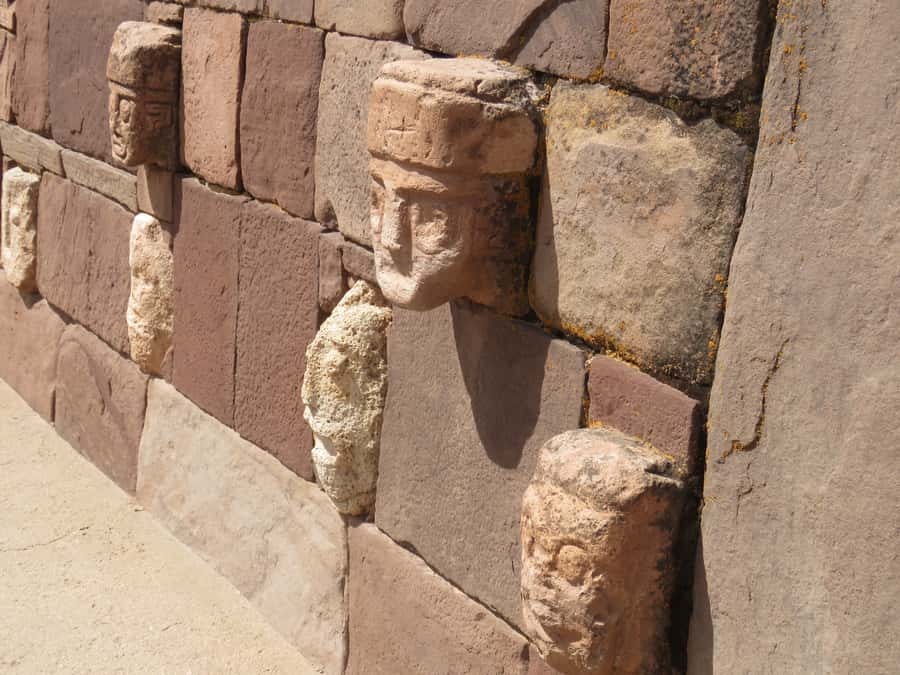
The ceramic displays help you look for shapes, decoration, and everyday or ceremonial objects. The lithic collection is especially useful before walking outside, since it gives you a closer look at the stone carving tradition behind the major structures.
This museum time keeps the ruins from becoming a simple checklist. You can examine smaller pieces first, then recognize related styles or techniques in the open-air site. Your professional guide explains the cultural background during the visit, in English or Spanish.
The guide’s role is central here. Guide Juan, specifically, has explained the social and cultural setting of the people who built the monuments, along with the questions raised by their construction skills. You should expect interpretation rather than a silent walk from one structure to the next.
Akapana Pyramid and the ceremonial center
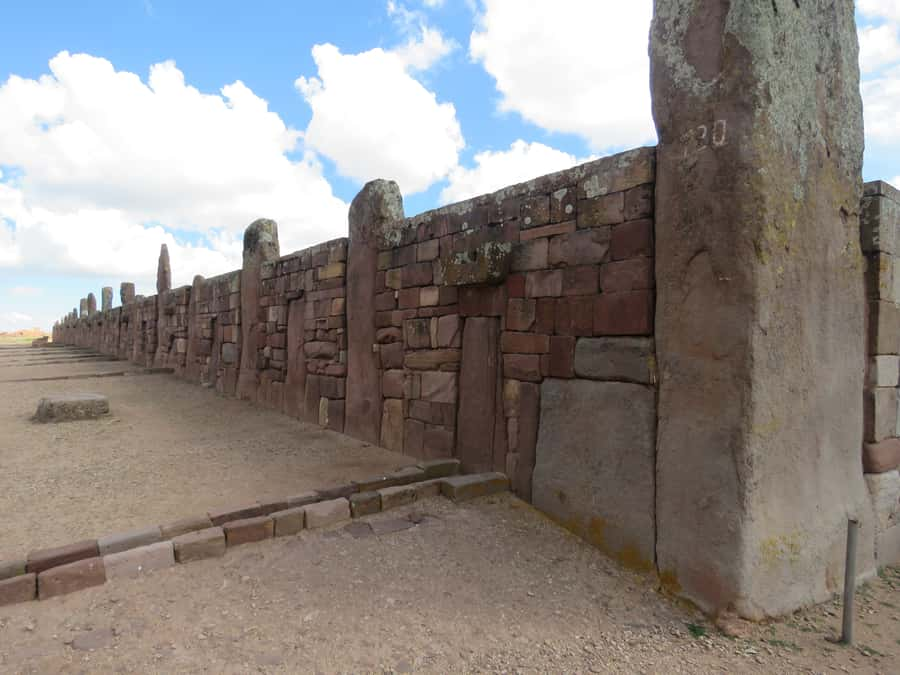
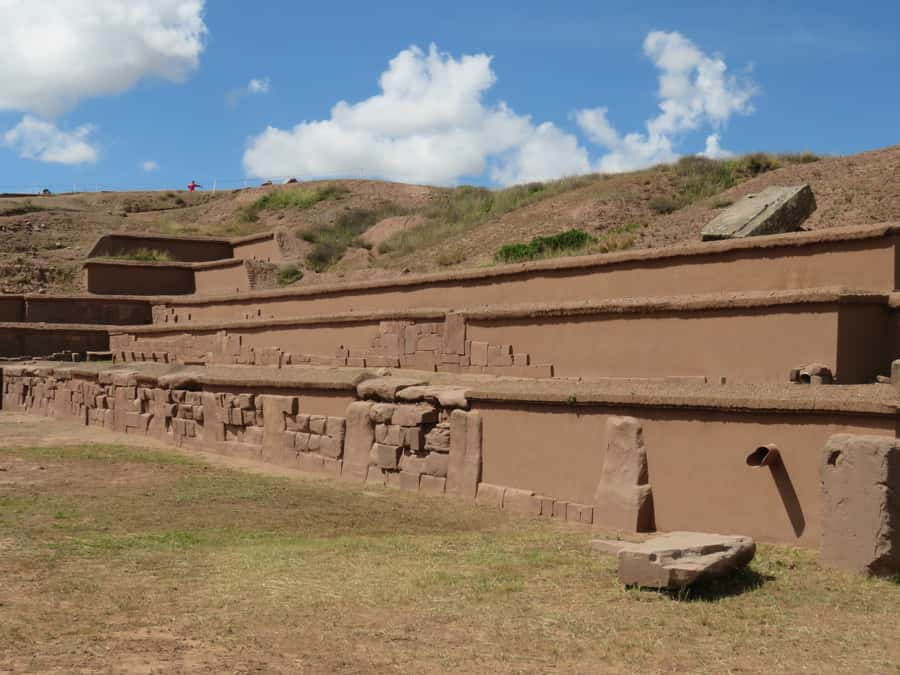
Akapana Pyramid is one of the major stops on the archaeological circuit. The broad form gives you a sense of the planned nature of Tiwanaku, even if parts of the structure are now worn or incomplete.
This is where a guide helps you read the site. Without context, a large platform can look like a mound of stones. With an explanation of how the area functioned, you can pay closer attention to its layout and position among the other ceremonial buildings.
The tour also includes Kantatalite, another key archaeological area. The supplied details do not specify every feature you will see there, so your guide’s explanation on the day will be the best way to understand its place in the complex.
You will be walking outdoors between stops. Comfortable shoes are more important than stylish ones, and sunscreen is not optional for most visitors. The tour includes a substantial number of named sites, so expect a steady visit rather than a single short viewing platform.
A few more trips around La Paz worth a look
- La Paz: Private City Tour with Cable Car & Moon Valley Visit
★ 4.9 · 508 reviews - Valle de las Animas, Moon Valley, La Paz day tour Private
★ 5.0 · 74 reviews - Customizable Private City Tour – La Paz
★ 5.0 · 69 reviews - La Paz: Private Vehicle & Guide. City Tour + Moon Valley
★ 4.9 · 16 reviews
Kalasasaya and the Sun Gate
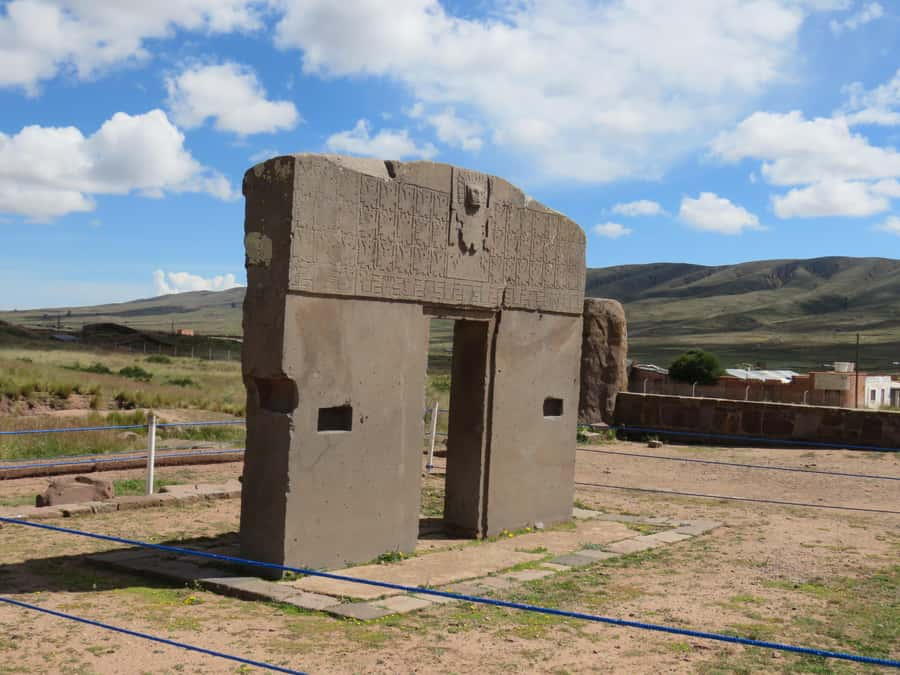
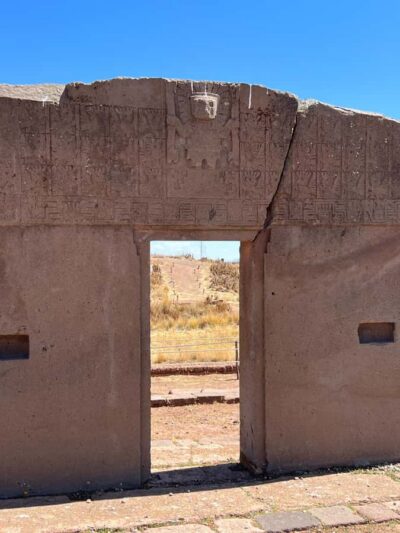
Kalasasaya Temple is one of the most recognizable parts of Tiwanaku, and the Sun Gate is included in the visit. The gate is famous for its carved stone surface and its strong visual connection with the wider ceremonial site.
I would pay close attention to the carving rather than treating the Sun Gate as a quick background for a photograph. The details are part of what makes Tiwanaku difficult to reduce to a simple ruin. The guide can explain the meaning and setting of the monument, while you focus on the stone itself.
Kalasasaya also helps show how the site was organized. The visit gives you a chance to compare the temple’s open space and stone elements with the pyramid and temple remains elsewhere on the grounds.
One useful point to keep in mind: Tiwanaku is associated with an ancient civilization of the Andes, not simply with the later Inca world. The provided tour description calls it one of the oldest Incan empires, but the most useful way for you to approach the visit is as a chance to learn about an older Andean civilization and its own achievements.
The semi-subterranean temple and Putuni
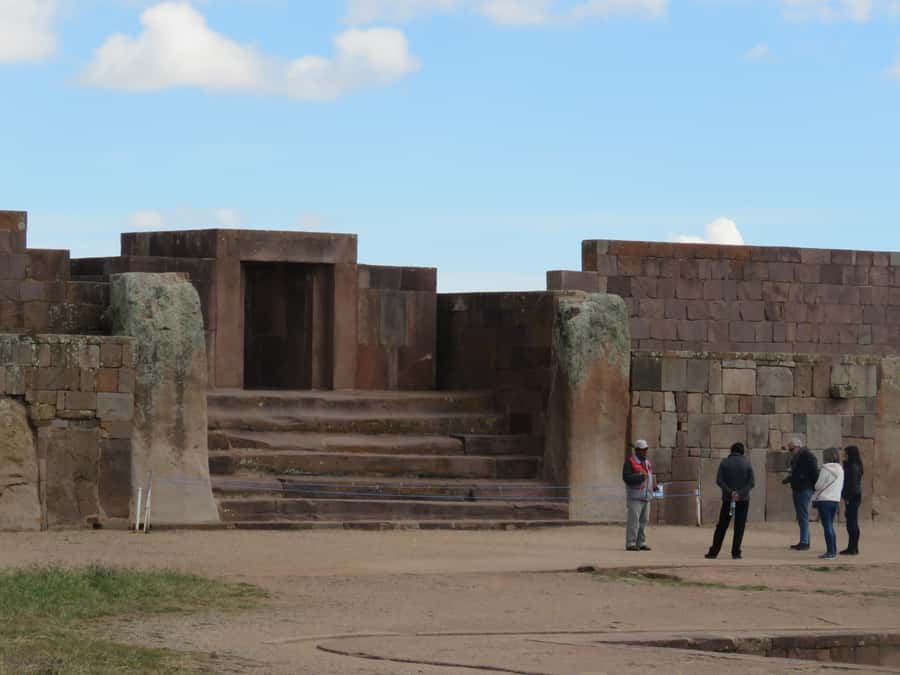
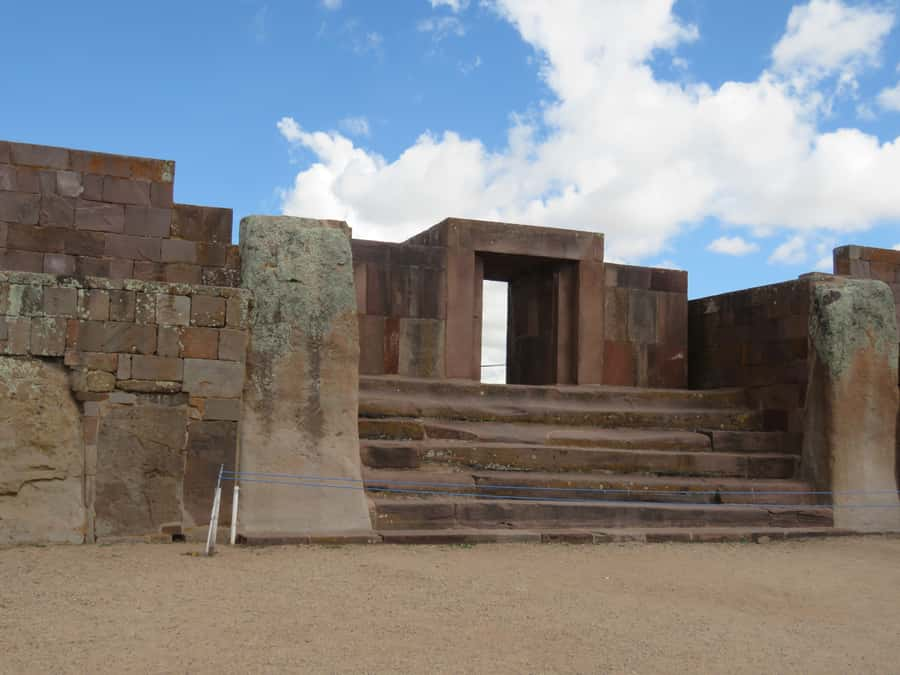
The semi-subterranean temple adds a different feel to the circuit. Instead of looking only at large raised structures, you see a space set below the surrounding ground level. That change in form helps break up the visit and gives you another example of the builders’ planning.
Putuni Temple is also included. As with Kantatalite, the tour description names the site but does not provide a detailed account of every feature. You should expect your guide to supply the explanation as you move through the complex.
This is one reason I prefer this private format to seeing Tiwanaku without an interpreter. The site has several names and structures to keep straight. A guide can point out what matters at each stop, explain how the parts relate, and adjust the pace to your questions.
The tradeoff is that the exact rhythm depends on the guide and the day. The planned archaeological visit lasts about two hours, so you will not have unlimited time at every monument. If you want to linger over every carving, tell your guide early and use your private format to discuss priorities.
Moon Gate and Pumapunku
The Moon Gate and Pumapunku Pyramid round out the main archaeological visit. These stops broaden the picture beyond the Sun Gate and Kalasasaya, giving you more than the usual single-monument introduction.
Pumapunku is especially useful for anyone interested in construction. The carefully worked stone elements raise questions about how the builders shaped, moved, and fitted them. The tour description does not promise a particular theory, and that is a good thing. You can examine the remains without being pushed toward a dramatic claim.
The site’s workmanship is one of its strongest talking points. You may find yourself looking closely at joints, cuts, and the scale of individual blocks. The guide can place those details in their cultural setting rather than leaving you with the vague idea that the builders were simply mysterious.
The Moon Gate gives you another carved feature to compare with the Sun Gate. Seeing both during one visit helps you notice repeated design ideas and differences in treatment.
Lunch with local food after the ruins
After about two hours at the archaeological site, you take a break for lunch. Lunch, snacks, and bottled water are included, so you do not need to arrange a separate meal during this full-day outing.
The food is local, and llama meat may be available. One menu highlight is llama served in a way that resembles veal in taste, though the exact dishes are not specified. If trying regional food matters to you, this part adds more to the day than a standard packed sandwich would.
The lunch also gives you a pause after walking outdoors. Tiwanaku is not a sprint, but the sun and altitude can make a steady visit tiring. Use the break to drink water, eat properly, and check that you have everything before the return drive.
A local meal is also a small but worthwhile link to the living area around the ruins. It does not turn the tour into a food experience, but it makes the day feel less like a museum transfer and more like a visit to a real Bolivian destination.
What the private format is worth
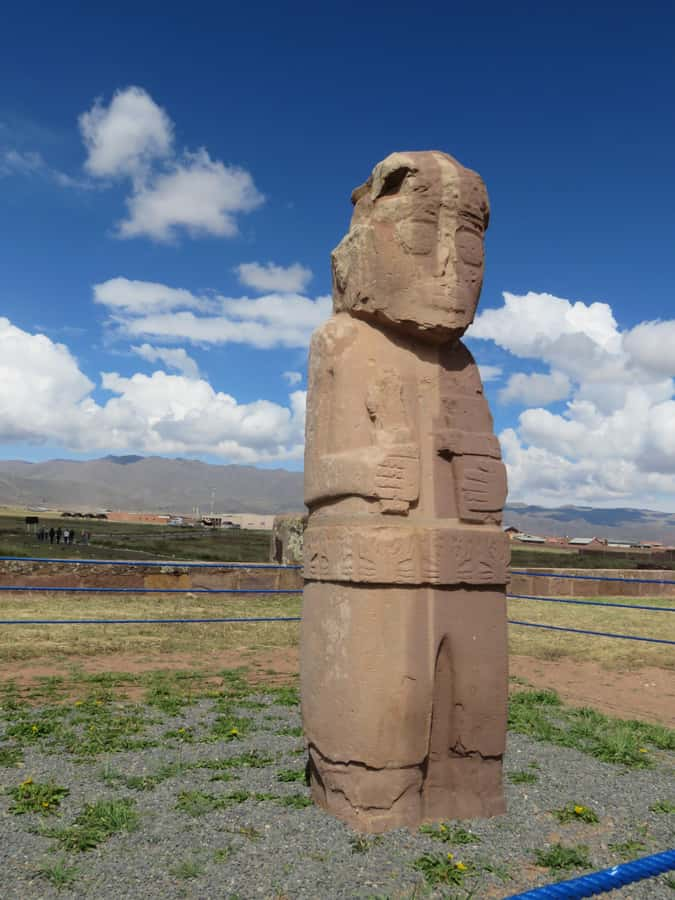
The strongest practical feature is control over the day. Your group has a private vehicle and a private guide, and pickup and drop-off take place at your La Paz hotel. That removes several small stresses that can add up on an out-of-town excursion.
You also skip the ticket line, with entrance fees included. The guide speaks English or Spanish, and the tour is designed for a private group rather than a shared departure.
For $158 per person, I would judge the value by group size. A solo visitor or couple may find the price high compared with public transport. A family or small group may find it more reasonable once private transport, admission, lunch, snacks, water, and professional guiding are counted together.
The tour is less compelling if your only goal is to reach Tiwanaku as cheaply as possible. It is more compelling if you value a hotel pickup, a direct return, an English-speaking art historian guide, and the ability to ask questions throughout the day.
Who should book this Tiwanaku tour
I would recommend it most strongly to first-time visitors to Tiwanaku who want the major monuments explained in one organized day. It also suits anyone who prefers private travel and does not want to navigate the route from La Paz alone.
History and archaeology enthusiasts should appreciate the range of stops, from the museums to Akapana, Kalasasaya, the Sun Gate, the semi-subterranean temple, Putuni, the Moon Gate, and Pumapunku. The tour gives you enough structure to understand the site without requiring you to arrange separate museum and ruin visits.
It may be less suitable if you dislike long drives or want a relaxed day with very little walking. The two-hour journey in each direction is fixed by the location, and the outdoor site requires comfortable shoes and sun protection.
Book with a passport or ID card, since that is listed among the items to bring. Free cancellation is available up to 24 hours before the tour, and you can reserve now and pay later, which helps if your La Paz plans are still shifting.
Should you book it?
Book this tour if you want Tiwanaku handled from start to finish, with transport, entrance fees, lunch, and an English-speaking guide included. The strongest reasons are the private setting, the broad list of ruins, and the chance to hear cultural and social context instead of simply walking among stones.
Skip it if the $158 price is too high for your group or if four hours of road travel feels excessive for a two-hour archaeological visit. For the right visitor, though, this is a practical and thoughtful way to see one of the Andes’ most important ancient sites from La Paz.
FAQ
How long does the private Tiwanaku tour last?
The tour lasts eight hours, including travel from La Paz, the archaeological visit, lunch, and the return to your hotel.
Where does pickup take place?
Pickup and drop-off are provided at your hotel in La Paz.
Is transportation included?
Yes. You travel in a private vehicle, with transportation included for the journey between La Paz and Tiwanaku.
Is the tour private?
Yes. This is a private group tour rather than a shared group experience.
Which languages are available?
The live guide is available in English and Spanish.
Are entrance fees included?
Yes. Entrance fees to the archaeological attractions are included.
Is lunch included?
Yes. Lunch, snacks, and bottled water are included. The meal features local food, and llama meat may be available.
What should I bring?
Bring your passport or ID card, comfortable walking shoes, sunglasses, a sun hat, sunscreen, light clothing, and extra camera batteries.
Can I cancel or pay later?
You can cancel up to 24 hours in advance for a full refund. You can also reserve the tour and pay later.
Just added around La Paz
- From La Paz: Lake Titicaca and Copacabana Private Tour★ 5.0 · 5 reviews
- Private Tiwanaku and Titicaca Day Trip from La Paz★ 4.8 · 3 reviews
- LA PAZ: GUIDED TOUR CHACALTAYA + VALLEY OF THE MOON★ 3.6 · 3 reviews
- La Paz: Uyuni tour ending in Atacama Chile by bus.★ 3.9 · 3 reviews
- Titicaca Lake: Highlights Tour from La Paz by Bus★ 4.0 · 3 reviews
- La Paz: The Feminist Tour★ 5.0 · 3 reviews
- From La Paz: Trip to Uyuni Salt Flats with Wine at Sunset★ 4.4 · 4 reviews
- La Paz: Uyuni Salt Flats & Lagoon Share Trip (private room)★ 4.7 · 4 reviews
Tiwanaku Ruins Tours, compared.
Private Tiwanaku and Titicaca Day Trip from La Paz
Read our review →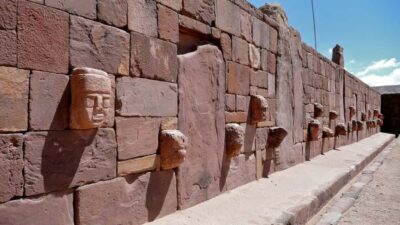

Private Tiwanaku and Titicaca Day Trip from La Paz
Read our review →Browse the lists this tour appears in