
Reviewed · MOON VALLEY TOURS
La Paz: Private Vehicle & Guide. City Tour + Moon Valley
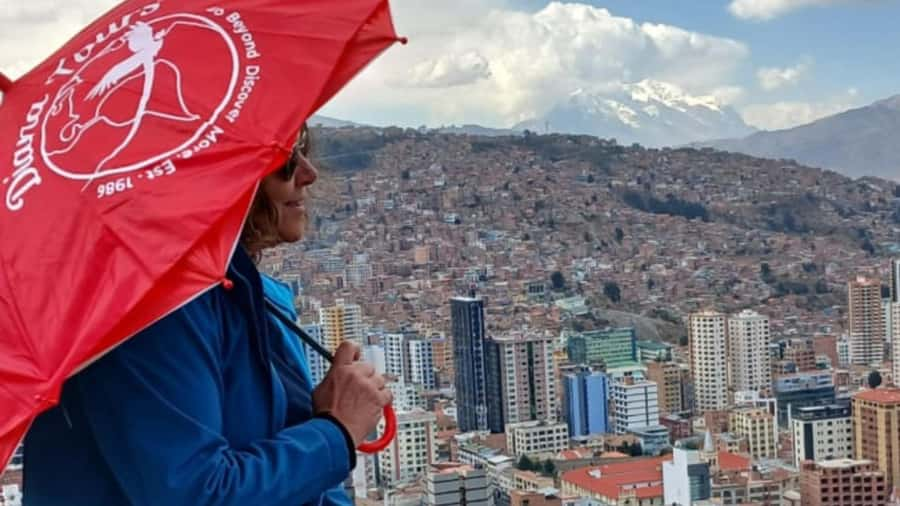
La Paz is easiest to understand from above, and this tour gives you two useful viewpoints: the strange eroded spires of Moon Valley and the cabins of Mi Teleférico floating over the city. Below, you’ll move through colonial streets, political squares, traditional markets, and one of Bolivia’s finest churches.
I like the private format, since your guide can adjust the route. Oliver found that his guide changed the plan after he had already visited Killi Killi viewpoint. I also like the mix of sights: Tereza and Erika have been praised for clear explanations and practical help, including restaurant suggestions and assistance with a SIM card. The main drawback is the short three-hour schedule, plus one report of a poor vehicle and driver, so transport quality may not be perfectly consistent.
Key points to know
- Moon Valley comes first: Walk among tall clay and stone formations for a calm start outside the city center.
- Two cable car lines are included: See how La Paz climbs the steep sides of its canyon and look for Illimani on a clear day.
- Calle Jaén feels like a time capsule: Its cobblestones and brightly painted 18th-century buildings offer a quiet break from main roads.
- The Witches Market is cultural, not simply commercial: Your guide can explain yatiri traditions, llama fetuses, herbs, and ritual objects.
- The tour is private and flexible: Hotel pickup, drop-off, a private vehicle, and an English- or Spanish-speaking guide are included.
- Bring 15 bolivianos for Moon Valley: The entrance fee is separate, as are food, drinks, and shopping.
Why this short La Paz tour works
This is a compact orientation tour rather than a slow, museum-heavy day. In three hours, you get a taste of La Paz from several angles: geology, transport, colonial architecture, Indigenous belief, national politics, and street life.
I think that variety is the strongest reason to book it. A standard city walk can show you churches and plazas, but it may not explain how La Paz physically fits into its steep canyon. A cable car ride adds that missing piece. From the cabin, you can watch houses and buildings climb the slopes in layers, with roads and neighborhoods spread far above and below you.
The private setup also matters. You are not locked into a fixed group pace, and the guide can spend more time on the places that interest you. If you have already seen one viewpoint, your guide may be able to adjust the route, as happened for Oliver. That sort of flexibility is hard to get on a large group excursion.
Still, three hours passes quickly. You will see many places, but some stops will be introductions rather than thorough visits. If you want extended church interiors, long market shopping, or time to explore every corner of Moon Valley, you will need a separate visit.
More Moon Valley trips from La Paz
- La Paz: Private City Tour with Cable Car & Moon Valley Visit
★ 4.9 · 508 reviews - La Paz: Valle de las Animas, Moon Valley, & Killi Killi Tour
★ 4.9 · 192 reviews - Valle de las Animas, Moon Valley, La Paz day tour Private
★ 5.0 · 74 reviews
Moon Valley starts the tour with strange geology
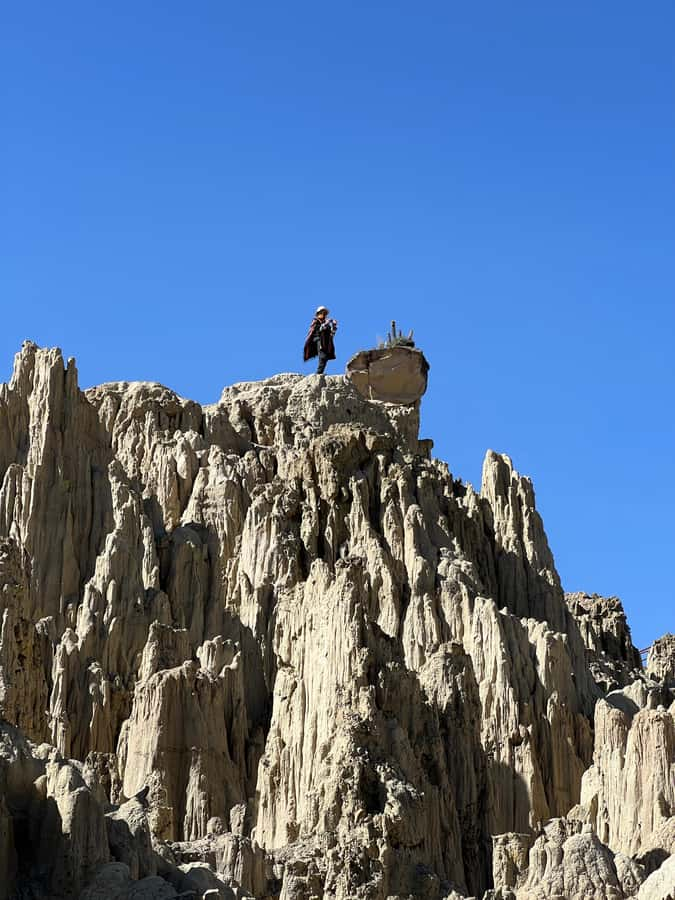
The tour begins at Valle de la Luna, usually translated as Moon Valley. It is not a forested valley or a broad mountain scene. Instead, you walk through a maze of eroded rock and clay formations, shaped into narrow towers, ridges, and pointed columns.
The setting feels far removed from central La Paz. The formations create a quiet pause before the city portion of the tour begins. I like this order because it lets you start with open space and unusual geology, then gradually move into the city’s history and crowded streets.
Wear proper walking shoes. The paths can be uneven, and the tour information specifically warns against booking if you have vertigo. You should also bring water, a hat, and sunscreen. At La Paz’s high altitude, strong sun can catch you off guard even when the air feels cool.
The entry fee is not included. Set aside 15 bolivianos for Moon Valley, and carry cash for that payment and any later purchases. Your guide and private transport are included, but this small entrance charge is yours to cover.
One practical point comes from the timing: the vehicle may not always take you directly from every path entrance to the next stop. One itinerary included a walk beside a busy road from Moon Valley back to the car. That is worth knowing if you prefer quiet walking routes or have mobility concerns.
Mi Teleférico shows how La Paz is built
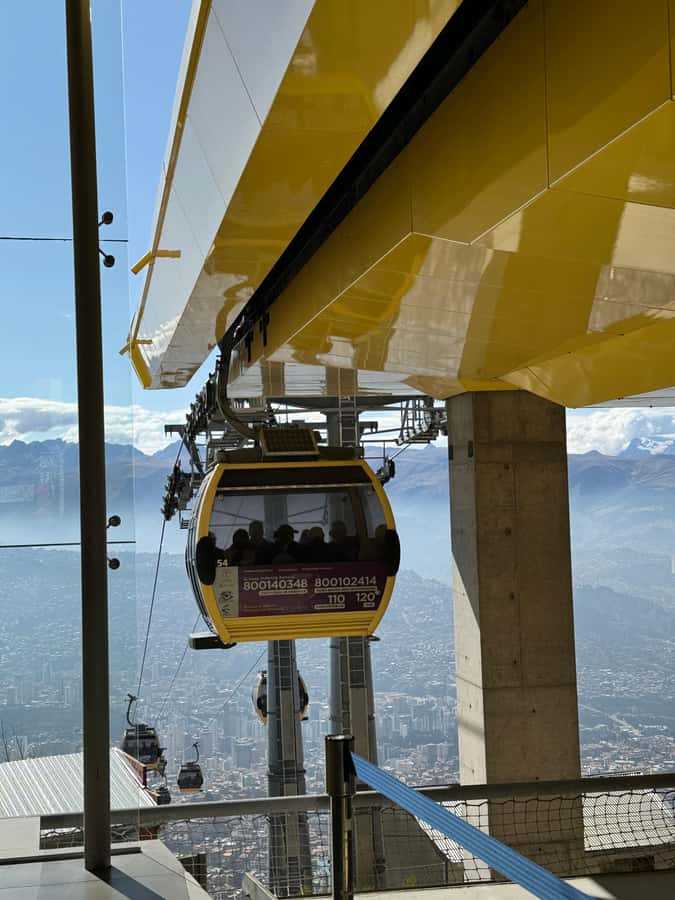
The cable car portion is one of the most useful parts of the experience. Mi Teleférico is not just a sightseeing ride added for fun. It is an important part of getting around La Paz, and it gives you a clear view of the city’s unusual shape.
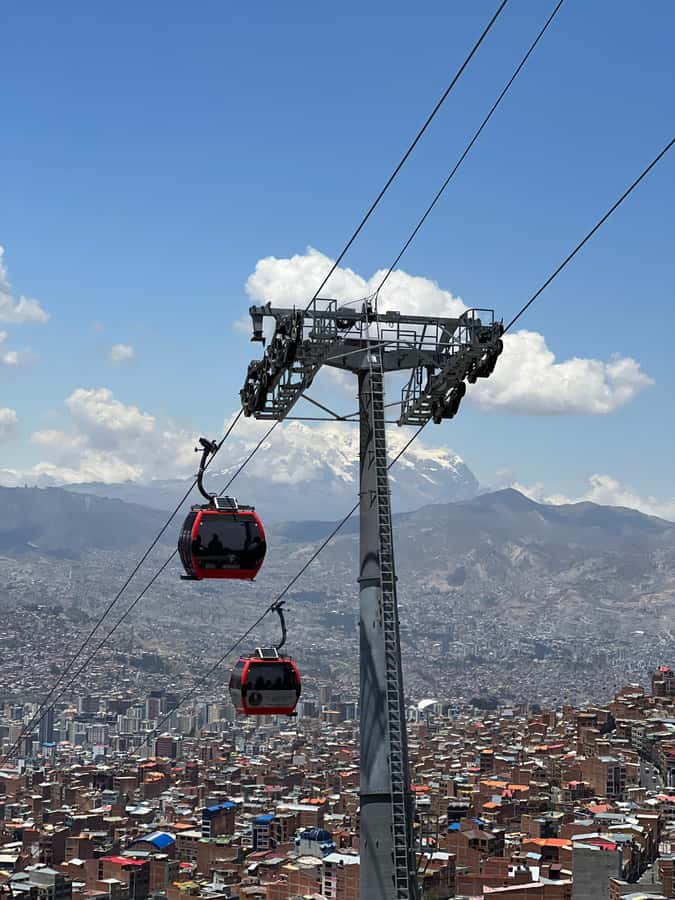
You will ride two of the city’s most scenic and well-known lines. As the cabin rises, the steep sides of the canyon come into view. Buildings appear to cling to the slopes, while the road network winds through a much more vertical city than most visitors expect.
This is where a guide adds real value. Without explanation, you might simply take photographs from the window. With context, you can better understand the scale of La Paz and the way the cable car system connects areas that would otherwise require steep roads and long drives.
On a clear day, look for Mount Illimani, the snow-capped peak that towers beyond the city. Clouds and haze can block the view, so do not treat the mountain sighting as guaranteed. Even without Illimani, the aerial view gives you one of the best quick introductions to La Paz.
The cable cars are also useful for visitors who want a city view without committing to a long uphill walk. That said, people with vertigo may find this part uncomfortable, and the tour is not suitable for wheelchair users. If heights bother you, tell the operator before booking rather than hoping the ride will feel manageable on the day.
Calle Jaén brings you back to colonial La Paz
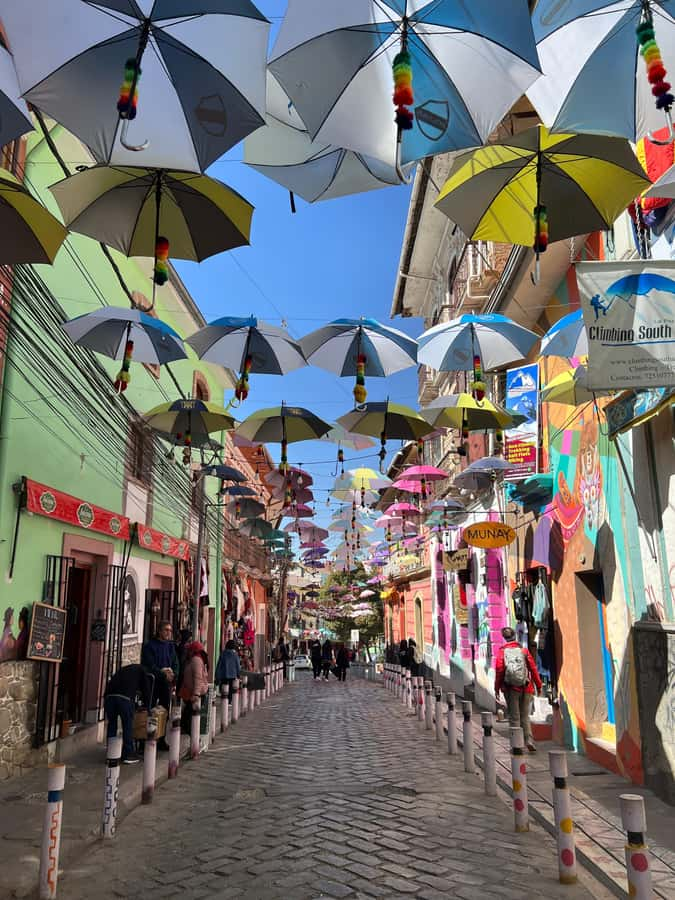
After the broad city views, Calle Jaén offers a much smaller scene. This cobblestone street is lined with brightly painted buildings dating from the 18th century. It is one of the best-preserved colonial streets in La Paz and feels more intimate than the city’s main avenues.
I like the contrast. The cable car shows the modern, practical side of La Paz, while Calle Jaén gives you a short, focused look at its older architecture. The street is quieter than the main roads, making it easier to notice doorways, façades, and the close-set buildings.
Do not expect a huge historic district. Calle Jaén is a short street, and the visit is brief. Its value comes from atmosphere and context, not size. Your guide can help explain how the colonial appearance fits into a city shaped by both Spanish influence and Aymara culture.
This is also a good point to ask questions. The private format gives you room to ask about architecture, local customs, or places you may want to revisit later. Guides Tereza and Erika have been praised for explaining both La Paz’s past and present, rather than giving only dates and names.
More city walks and cable car rides in La Paz
- La Paz and El Alto: Cable Car Rides and Walking Tour
★ 4.8 · 790 reviews - La Paz: Cable Car, Cemetery, Shaman, and El Alto Tour
★ 4.7 · 218 reviews - Cholet Tour – Andean Architecture and Culture – El Alto
★ 5.0 · 72 reviews - Customizable Private City Tour – La Paz
★ 5.0 · 69 reviews
Plaza Murillo connects politics, faith, and public life
Plaza Murillo is the historic and political center of La Paz. Several major buildings face the square, so this stop gives you a quick way to see how national government and Catholic tradition sit side by side.
The Presidential Palace is one of the key buildings. It is often called the Burned Palace because it has endured several fires over the centuries. Beside it is the Legislative Assembly building, home to Bolivia’s parliament.
The Cathedral Basilica of Our Lady of Peace completes the main architectural picture. Its colonial-era design reflects the lasting role of Catholicism in Bolivia, while the square itself gives you a look at the country’s political center.
Your guide can help turn the plaza from a photo stop into a readable place. You will see colonial and modern elements close together, and you can observe how an important public square functions in the city today.
Access and conditions may change. One scheduled stop was limited because the plaza was closed during demonstrations. That sort of disruption is outside the tour company’s control, so keep your expectations flexible. If Plaza Murillo is unavailable, ask your guide to explain what you are missing and how to return independently.
The Witches Market explains Aymara spiritual practice
The Witches Market is one of La Paz’s most unusual stops, but it is easy to misunderstand if you treat it as a novelty market alone. Local yatiris, or spiritual healers, sell objects used in Aymara rituals, including dried llama fetuses, herbs, and potions.
These items are connected with requests for good fortune, health, protection, and other forms of spiritual help. The traditions are part of a broader Andean belief system in which older Indigenous practices exist alongside Catholic customs.
I recommend listening closely to the guide here. A quick walk through the stalls can seem strange or even theatrical if you do not know what you are looking at. An explanation helps you see the market as a working part of local belief, not just a place designed for photographs.
The stop is also a reminder to behave respectfully. Ask before photographing people or their stalls, and avoid handling ritual objects casually. You may find souvenirs here, but this is not the same as an ordinary craft market.
The market can be crowded and visually intense. If you prefer quiet historic sights, you may enjoy Calle Jaén more. If you want a direct look at Indigenous traditions in modern La Paz, this is one of the most distinctive parts of the route.
San Francisco Church shows a meeting of traditions
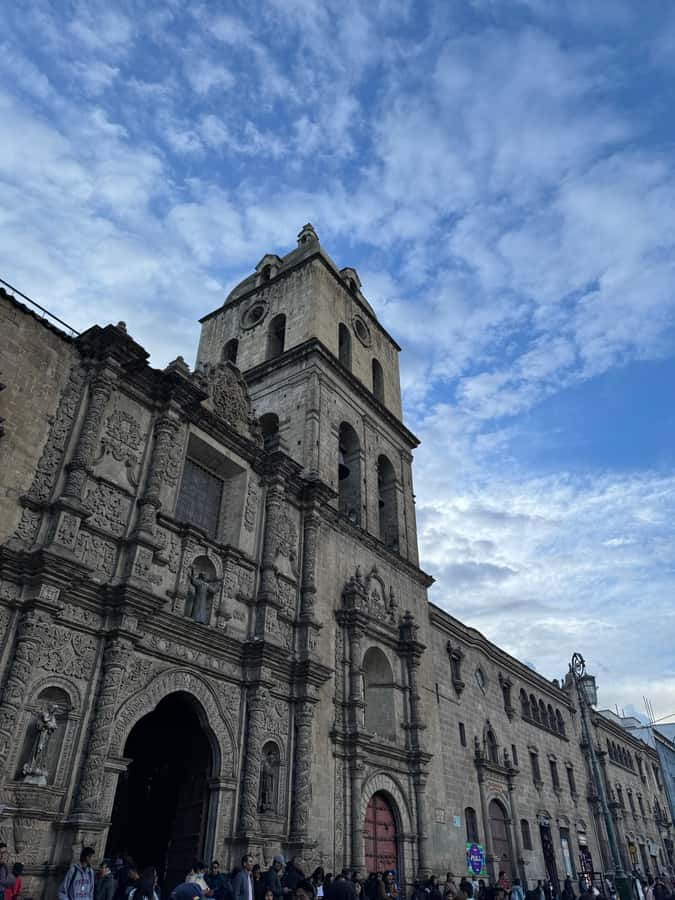
The Church of San Francisco is the architectural centerpiece of the central city portion. Built in the mid-16th century, it is known for its Andean Baroque style and its detailed stone façade.
Look closely at the exterior. Catholic symbols appear alongside Indigenous designs, showing how Spanish colonial art and Aymara traditions became intertwined. That blend is more interesting than a simple European-style church placed in Bolivia. The façade reflects local hands, local ideas, and a complicated colonial past.
The church also gives the tour a strong visual anchor after the market. You move from ritual objects sold in small stalls to a grand religious building shaped by the same broad meeting of belief systems.
The visit may be more about the exterior and general setting than a long interior tour. Since the activity is only three hours, you should not expect a full church history lesson or extended free time inside. If San Francisco interests you, note its location so you can return later at your own pace.
Sagarnaga Street ends with time for souvenirs
The tour finishes on Sagarnaga Street, a useful place to shop for souvenirs. It is a practical ending because you can decide what to buy after learning about the city’s traditions and seeing several central sights.
Carry cash for purchases. Personal expenses are not included, and the tour information specifically recommends bringing money for extras. Your guide may also help you understand what you are buying, which is useful when similar-looking textiles, crafts, and ritual items appear at different stalls.
Do not feel pressured to shop. The final stop is also a chance to ask for food suggestions or other practical advice. One guide, Tereza, helped with restaurant recommendations and a SIM card question, which shows the value of having a local person beside you at the end of the route.
What the private vehicle adds, and where it falls short
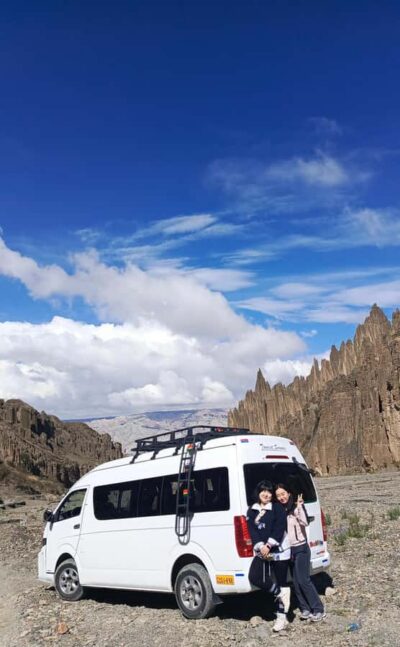
Hotel pickup and drop-off are included, along with private transport. That makes this tour convenient if you are staying in La Paz and want to cover Moon Valley plus the central sights without arranging separate taxis.
The vehicle also saves time between places. Moon Valley is outside the central sightseeing area, and combining it with the cable car and historic center would be awkward on foot. A private vehicle lets you make the jump between these areas within a tight schedule.
The caution is vehicle quality. One highly positive booking still included a complaint about both the vehicle and driver, while the guide received strong praise. That suggests the guide may be the most reliable part of the experience, but transport standards can vary.
If you have special vehicle needs, clarify them before booking. The available information does not promise a particular vehicle model or accessibility setup. The tour is not suitable for wheelchair users, and the combination of uneven walking, cable car heights, and city traffic may be difficult for anyone with limited mobility.
Is $35 a good value for three hours?
At $35 per person, this is a strong value if you want a broad first look at La Paz. The price includes hotel pickup and drop-off, private transport, a private guide, and the cable car rides. You only need to add the 15 bolivianos Moon Valley entrance fee, food or drinks, and anything you buy.
The value comes from combining attractions that would otherwise require separate planning. Moon Valley alone gives you the city’s unusual natural setting. The cable cars provide the big view. The historic center adds Calle Jaén, Plaza Murillo, the Witches Market, and San Francisco Church.
A private tour at this price also makes sense for two or more people traveling together. You get more direct contact with the guide than on a large group outing, and the schedule can sometimes be adjusted.
The price is less compelling if you already know La Paz well or have plenty of time to use public transport and visit each sight separately. You are paying for speed, transport, and guidance more than for long visits at each stop.
How to prepare for the altitude and walking
Bring comfortable shoes, water, sunscreen, a hat, and a camera. Those are not decorative packing suggestions here. You will walk through Moon Valley, cross historic streets, and move between urban stops, while the sun can feel strong at altitude.
The tour is not suitable for people with vertigo. The cable cars provide wonderful views, but the height is part of the experience. If you are uneasy with heights, consider asking whether you can skip the cable car portion before booking.
Smoking is not allowed during the activity. English and Spanish guides are available, and the group is private. Free cancellation is available up to 24 hours before the start, and you can reserve now and pay later, which gives you some flexibility if your plans are still shifting.
Should you book this La Paz experience?
Book it if you want a fast, varied introduction to La Paz and value having a private guide explain what you are seeing. It suits first-time visitors, couples, families with older children, and anyone who wants Moon Valley and the city center covered in one outing.
I would especially choose it if you want to understand the city’s vertical shape. The two cable car rides do more than provide photographs, and the guide can connect those views with the politics, architecture, and daily life you see below.
Think twice if you dislike heights, need wheelchair access, or prefer unhurried visits. The schedule is tight, one route may involve walking beside a busy road, and vehicle quality may vary.
For most visitors, the combination of Tereza or Erika’s style of personal guidance, cable car views, Calle Jaén, the Witches Market, and San Francisco Church makes $35 a sensible way to get oriented before exploring La Paz on your own.
FAQ
How long does the La Paz tour last?
The activity lasts three hours.
What is included in the price?
The price includes hotel pickup and drop-off, private transport, cable car rides, and a local guide.
Is the Moon Valley entrance fee included?
No. You should bring 15 bolivianos to pay the Moon Valley entrance fee.
Which languages are available?
The live guide is available in English or Spanish.
Is this a private tour?
Yes. The activity is offered for a private group.
Which sights are included?
The route includes Moon Valley, two Mi Teleférico cable car rides, Calle Jaén, Plaza Murillo, the Witches Market, San Francisco Church, and time for shopping on Sagarnaga Street.
What should I bring?
Bring comfortable walking shoes, a hat, sunscreen, water, and a camera. Cash is useful for the Moon Valley fee and personal purchases.
Is the tour suitable for wheelchair users or people with vertigo?
No. The activity is not suitable for wheelchair users or people with vertigo.
Just added around La Paz
- Private Tour of Tiwanaku Ruins from La Paz★ 5.0 · 3 reviews
- From La Paz: Lake Titicaca and Copacabana Private Tour★ 5.0 · 5 reviews
- Private Tiwanaku and Titicaca Day Trip from La Paz★ 4.8 · 3 reviews
- LA PAZ: GUIDED TOUR CHACALTAYA + VALLEY OF THE MOON★ 3.6 · 3 reviews
- La Paz: Uyuni tour ending in Atacama Chile by bus.★ 3.9 · 3 reviews
- La Paz: The Feminist Tour★ 5.0 · 3 reviews
- Titicaca Lake: Highlights Tour from La Paz by Bus★ 4.0 · 3 reviews
- La Paz: Uyuni Salt Flats & Lagoon Share Trip (private room)★ 4.7 · 4 reviews
Moon Valley Tours, compared.
Valle de las Animas, Moon Valley, & Killi Killi Tour
Read our review →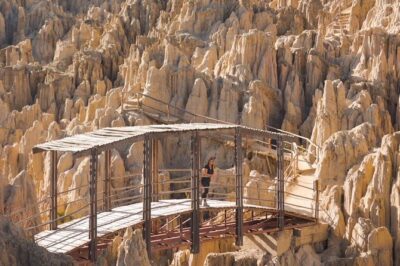
Valle de las Animas, Moon Valley, La Paz day tour Private
Read our review →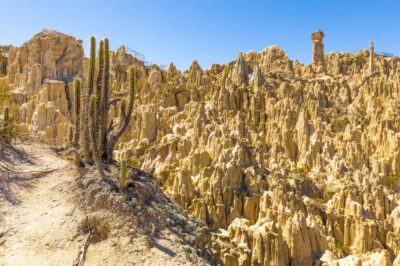
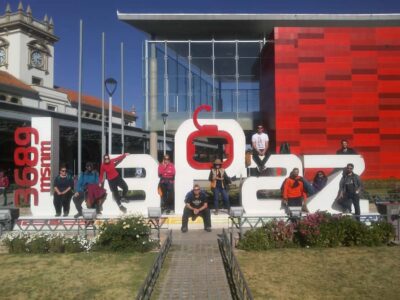
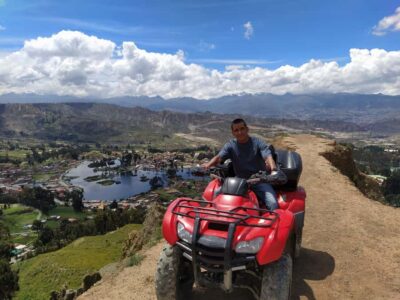
ATV TOUR: VISIT THE VALLEY OF THE MOON, VALLEY OF ANIMAS AND MUELA DEL DIABLO
Read our review →
Browse the lists this tour appears in