
Reviewed · UYUNI SALT FLAT TOURS
Roundtrip to the Uyuni Salt Flat and the Colored Lagoons
Uyuni is not just a giant white salt pan. This four-day route carries you from the Chilean border through colored lagoons, geyser fields, hot springs, and volcanic deserts, then into the salt-flat world itself. You travel by 4×4 in a group of up to six, a useful size for long rough-road days.
I like the mix of big sights and small details: flamingos and vicuñas in the highlands, salt-built lodging, and sunset light across the flat. I also like the local scale of the trip, especially the personal guiding associated with Zima, who took time to explain sights in Spanish and English. The main caution is altitude: the route reaches roughly 3,600 to 5,000 meters, and early mornings, basic bathrooms, and simple hostels are part of the deal.
Key points at a glance
- A full Andean route, not just a salt-flat stop: You visit Laguna Colorada, Laguna Blanca, Sol de la Mañana, Siloli Desert, Salvador Dalí Desert, Incahuasi Island, and the Uyuni Salt Flat.
- Small 4×4 groups: Each car carries up to six people, giving you a more manageable ride and better access to the guide than a large coach.
- Altitude is a serious part of the trip: The route reaches 5,000 meters near volcanoes and high passes, so this suits people who can handle cold, long drives, and thin air.
- Three nights keep the route moving: You sleep at a Villamar family hostel on nights one and three, and in a private double room at a salt hotel on night two.
- Meals are included, but not every expense: Four breakfasts, three lunches, and three dinners are covered. Park, island, border, bathroom, hot-spring, water, and shower fees are extra.
- Spanish is the main working language: The driver-guide is described as Spanish-speaking with basic English. Zima is specifically noted for explaining the route in both languages.
From San Pedro to the high Bolivian Altiplano
The trip begins with a minibus transfer from San Pedro de Atacama to Hito Cajón, the Chilean-Bolivian border. You also get a minibus transfer back from Hito Cajón to San Pedro at the end, which makes this route useful for people staying in Chile’s desert town.
Bring your passport and visa if you need one. Everyone on this route must pass through both Chilean and Bolivian border controls, so keep your documents easy to reach. The express security check is listed as part of the activity, but border procedures can still take time.
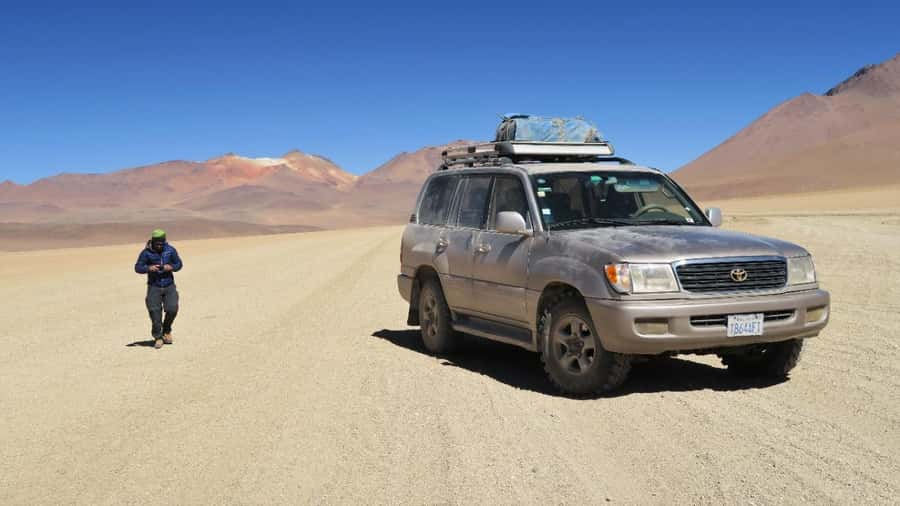
Once you enter Bolivia, the 4×4 becomes your main transport. This matters because the route covers a large, remote section of the Andean Altiplano. A small group of six is far more practical than a big bus here, especially when you stop for photos or need to share limited hostel facilities.
The scenery changes quickly. You move through open highland country with volcanoes, salt basins, and shallow lagoons. Licancabur, Ollagüe, and Tunupa are among the major volcanic names connected with the route, and the journey reaches elevations between about 3,600 and 5,000 meters.
That altitude affects the whole day. The cold can be sharp, even when the sun is strong. Wear several warm layers, not just one thick jacket, and bring comfortable shoes for short walks beside the lagoons and geothermal sites.
More salt flat trips running from Bolivia
- Day Trip to Uyuni Salt Flats
★ 4.0 · 602 reviews - From La Paz: Uyuni Salt Flat Tour & Overnight Roundtrip Bus
★ 4.5 · 327 reviews - 3-Day Tour to Salt Flats and Lagoons
★ 4.5 · 168 reviews
Laguna Blanca, Polques, and the first night at Villamar
The early part of the route introduces the highland lagoons. Laguna Blanca, or White Lagoon, is one of the stops listed for the trip, along with Laguna Polques and its natural hot springs.
Polques is one of the most welcome pauses on a cold route. The hot spring entrance costs about 6 bolivianos, subject to change, and it is not included in the tour price. You should also expect to pay for some bathroom use along the way, usually around 20 bolivianos.
The hot spring stop is optional in practical terms, since it carries an extra fee and you may not feel comfortable changing at altitude. Still, it offers a chance to warm up while looking across the stark highland setting. Bring a swimsuit if you plan to enter, though the supplied details do not specify changing-room arrangements.
The first night is at a Villamar family hostel. It uses a shared room and shared bathroom, so do not book this expecting hotel-style privacy. The family-run setting is part of the appeal, especially if you value local contact over polished facilities.
Meals include dinner that evening. Vegetarian food is available, and one account specifically praised the vegetarian meals. You should still bring snacks and extra water, since neither is included.
Laguna Colorada and wildlife in red water
Laguna Colorada is one of the emotional high points of the route. Its reddish color comes from mineral and algae conditions, giving the water an unusual contrast against the pale, dry Altiplano.
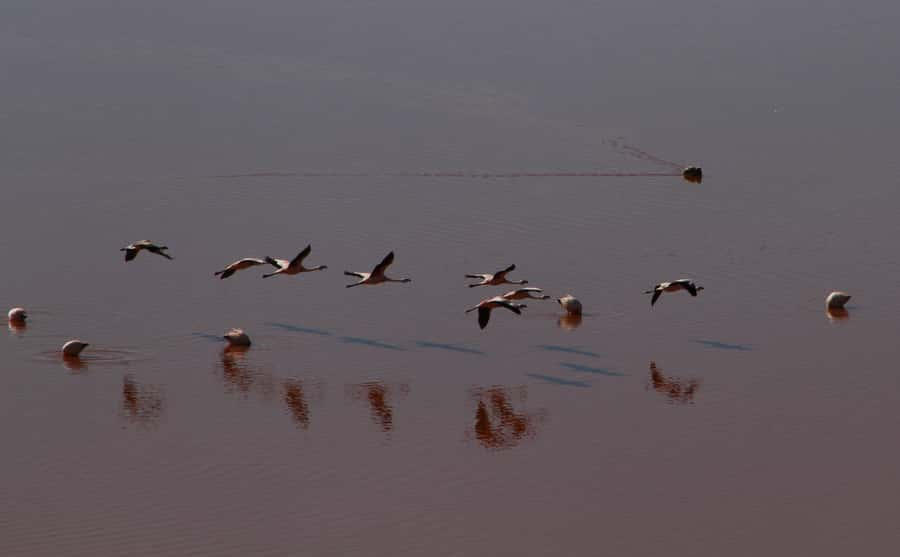
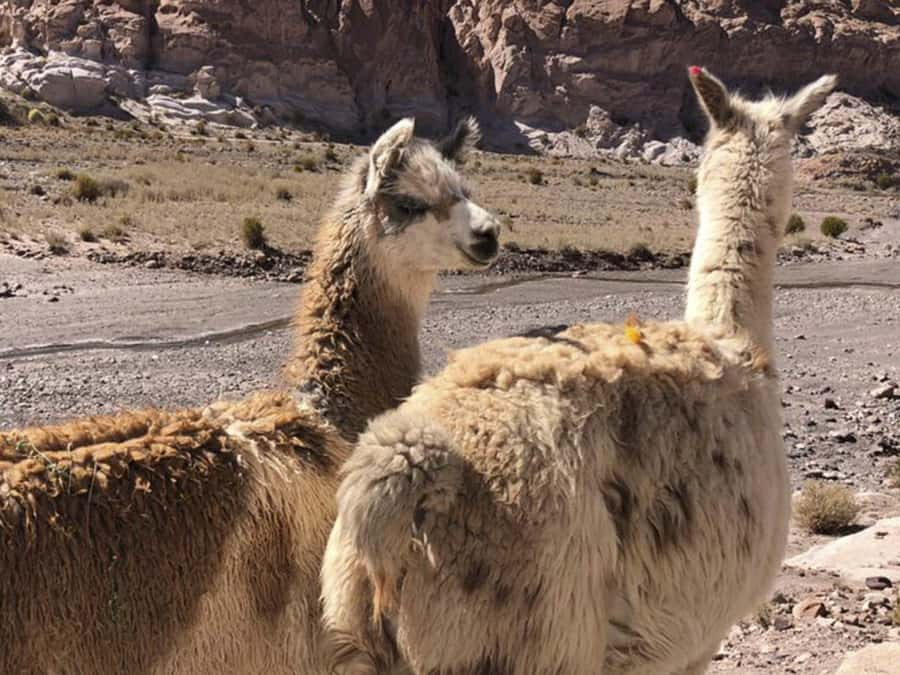
This is also a strong place to look for flamingos. The trip highlights Andean wildlife, including flamingos and vicuñas, but sightings are naturally dependent on conditions. You get the best chance by staying alert during the drives and at lagoon stops rather than treating the 4×4 as a simple shuttle.
The area feels remote because it is remote. Facilities are limited, and the route is built around long stretches between stops. Your guide can explain the volcanic forms and wildlife in Spanish, with basic English support listed for the driver-guide. If you need detailed information in English, mention this when booking and ask how your particular guide handles it.
The cold and altitude can make even short walks tiring. Move slowly, drink water, and tell your driver if you feel unwell. This route is not suitable for people with altitude sickness, pregnant women, or people with pre-existing medical conditions.
Sol de la Mañana and the surreal desert stops
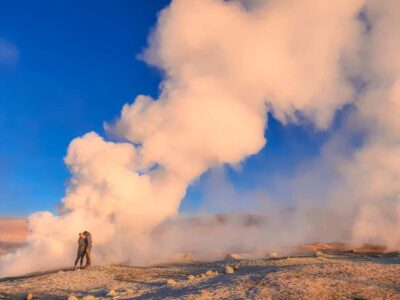
Sol de la Mañana is a geothermal field with steam vents, bubbling ground, and the sharp smell that comes with volcanic activity. The stop works best early in the day, when cold air makes the steam more visible and the setting feels especially stark.
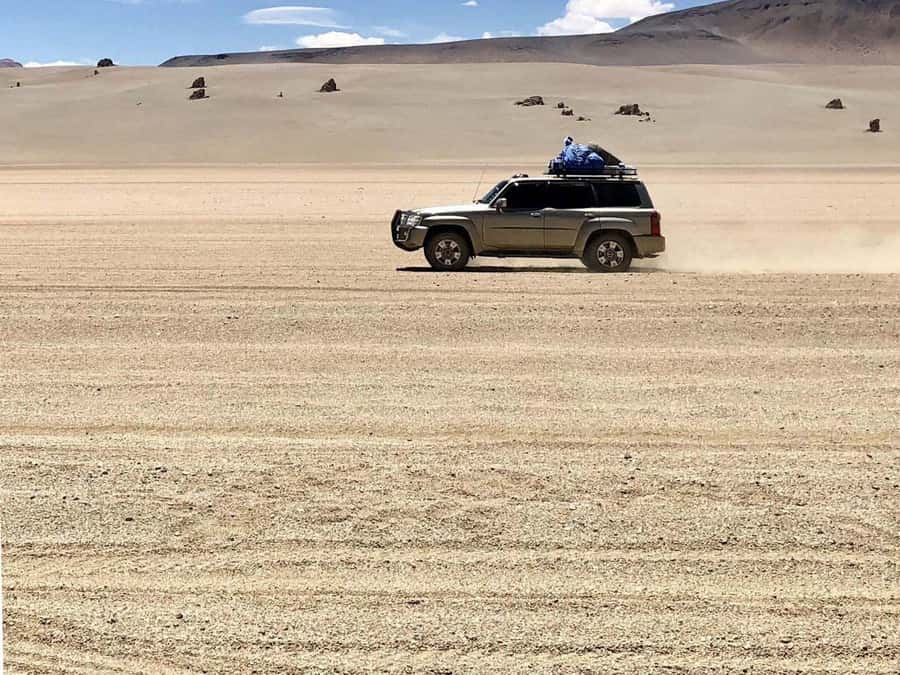
You then reach the Siloli Desert, known for its strange rock shapes and empty, wind-cut scenery. The Salvador Dalí Desert brings another change in tone, with isolated forms and broad stretches of sand-colored ground. The names may sound theatrical, but the appeal is simple: the scenery looks unlike the salt flat and unlike the lagoons.
These stops also show why this is better understood as an Andean highlands circuit than as a one-day salt-flat outing. You spend much of the trip moving through volcanic and desert terrain, with the salt pan forming one major chapter rather than the whole story.
Expect plenty of time in the car. The supplied details do not provide exact drive times for each day, but the route covers a wide area over four days and includes several high-altitude stops. Bring water, snacks, sunscreen, lip balm, and a way to keep your phone or camera warm.
More altiplano lagoon trips from Bolivia
- From Uyuni: Red Lagoon & Uyuni Salt Flats 3-Day Guided Tour
★ 4.4 · 160 reviews - 3-Day Uyuni Salt Flat Tour with Sunset and Red Lagoons
★ 5.0 · 83 reviews - Full day Tour Charquini and Laguna Esmeralda
★ 4.5 · 73 reviews - La Paz, Esmeralda Lagoon Guided Tour_Charquini
★ 4.1 · 7 reviews
Salt hotels and the second night
The second night is in a salt hotel, one of the route’s most distinctive lodging features. You get a private double room, which is a step up from the shared Villamar rooms.
A salt hotel is memorable because the building uses salt as a central material rather than treating it as a normal roadside inn. It connects the place you are visiting with the way you sleep, making the overnight stop more than just a bed between drives.
The tradeoff is still basic comfort. Hot showers on the second and third nights cost about 20 bolivianos and are not included. You should carry a small towel and enough toiletries for simple conditions. Bathroom paper is also worth packing, since extra supplies are not clearly provided along the route.
The included meals help keep the overall cost under control. You receive four breakfasts, three lunches, and three dinners across the trip. Water, snacks, and personal purchases remain your responsibility.
Incahuasi Island and the great white expanse
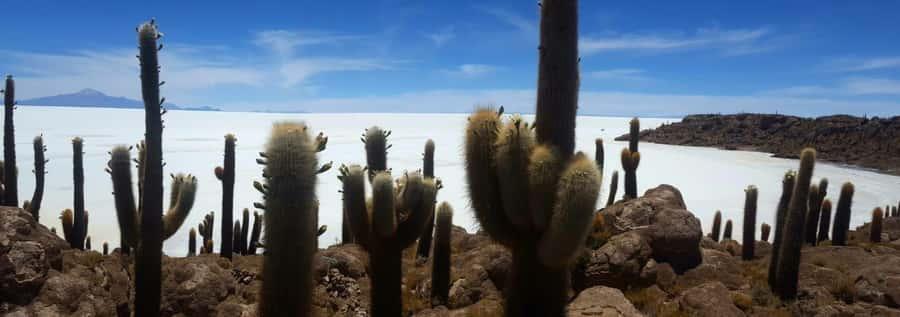
Incahuasi Island is one of the most recognizable stops on the Uyuni Salt Flat. The island rises from the vast white surface and is known for its giant cacti and unusual position in the middle of the salt plain.
The entrance fee is listed at 30 bolivianos and is paid separately. That cost is modest, but you should keep some local currency ready because several small fees occur during the journey.
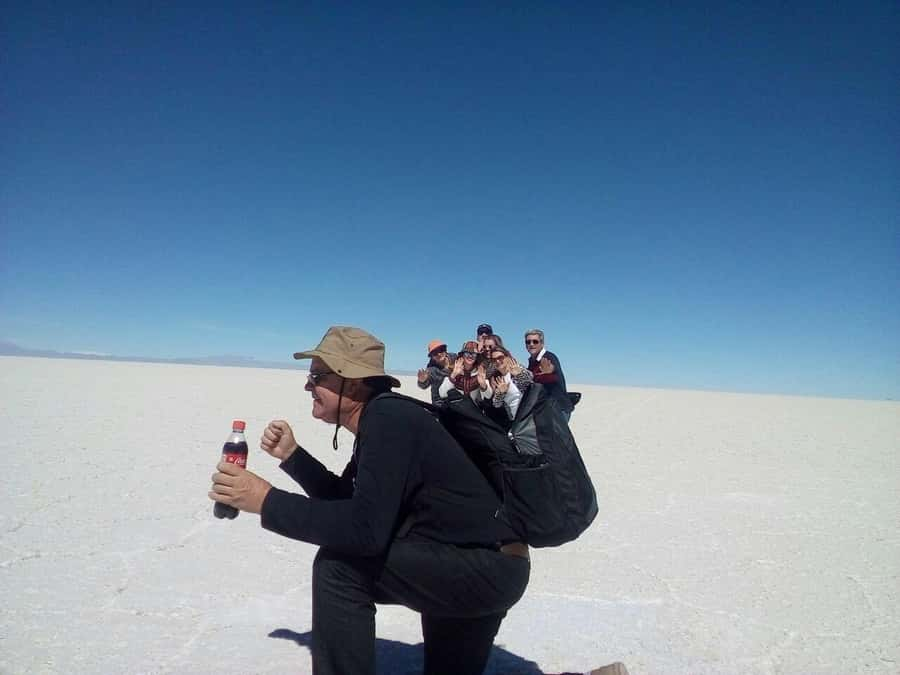
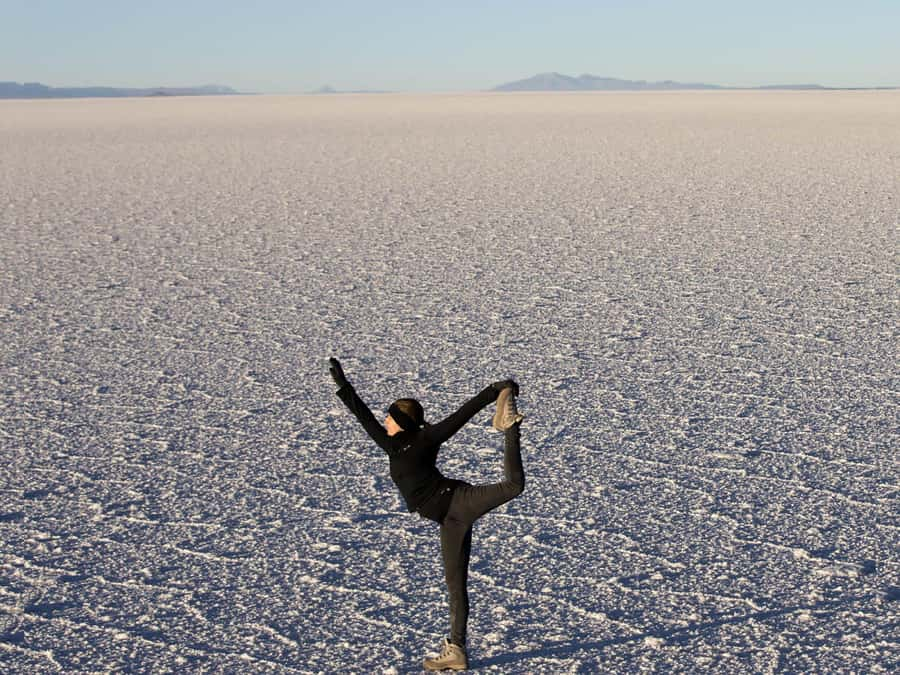
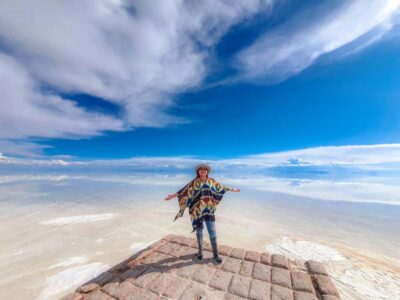
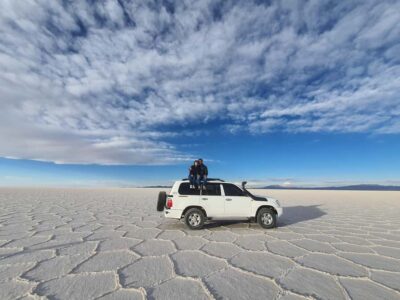
The salt flat itself is the visual payoff. Its scale can be hard to grasp from photographs because the horizon seems to stretch without end. Your 4×4 gives you the freedom to stop at selected points, and the flat provides the clean, bright setting that makes perspective photos possible.
Sunset is another key moment. The tour specifically includes the chance to capture a breathtaking sunset, and the low light changes the salt from hard white to soft gold and pink. Timing depends on the day’s route and conditions, so you should see this as an important opportunity rather than a guaranteed fixed-time event.
Tunupa is another volcanic name connected with the salt-flat area. The route gives you views toward major volcanoes, but the details of any hike or summit attempt are not specified. Do not assume a demanding volcano trek is included. The description says you trek near high volcanoes, with elevations reaching as high as 5,000 meters.
What $458 includes, and what it does not
At $458 per person, this is not a bare transport service. The price covers four days of 4×4 travel, the Chile-Bolivia border transfers, three nights of accommodation, and 10 included meals.
It also buys the convenience of a planned route through difficult-to-reach places. Organizing the border crossing, remote lodging, drivers, meals, and highland stops on your own would be complicated, particularly if you are linking San Pedro de Atacama with Uyuni.
The value is strongest if you want the full circuit. A short salt-flat visit may cost less, but it will not cover the colored lagoons, geyser field, hot springs, deserts, and wildlife areas listed here.
Budget for these extra costs:
- Eduardo Avaroa Protected Area: 150 bolivianos
- Polques Hot Springs: 6 bolivianos
- Incahuasi Island: 30 bolivianos
- Border tax: 17 bolivianos
- Bathroom use: about 20 bolivianos when needed
- Hot showers on nights two and three: about 20 bolivianos
- Snacks, bottled water, airport transfers, insurance, and personal expenses
Prices can change, so carry enough Bolivian currency for small payments. The tour does not include airport transfers, which matters if you are ending the trip at an airport rather than returning to San Pedro.
The pace, language, and group size
A group capped at six people is one of the better features here. You are still sharing a 4×4, but the vehicle does not become a large moving crowd. Small groups also make it easier to hear the guide and agree on short photo stops.
The working language is Spanish. The driver-guide is listed as local, Spanish-speaking, and basic in English. Zima received special praise for making explanations in both Spanish and English and for helping people feel comfortable, but you should not assume every departure will have the same language level.
The days begin early, and that is necessary for the route’s timing and light. You need to be ready in your hotel lobby 30 minutes before pickup. Drivers wait no longer than five minutes after the scheduled pickup time, so this is not a good trip for a casual morning routine.
The activity is listed as wheelchair accessible. Since the route includes 4×4 transport, remote stops, shared facilities, and uneven outdoor areas, confirm the exact arrangements before paying if you use a wheelchair or have mobility needs. The supplied information does not explain how each stop or hostel is adapted.
Free cancellation is available up to 24 hours before departure, and you can reserve now while paying later. Check the starting time for your chosen date, since the four-day duration does not itself specify a single daily departure hour.
Who should book this four-day route?
You should consider it if you want more than the famous white salt flat. This is a good match for someone who enjoys remote scenery, wildlife, volcanic areas, simple lodging, and long days in a small vehicle.
It also suits people who are already in San Pedro de Atacama and want to cross into Bolivia without arranging separate transport. The return minibus to San Pedro keeps the trip practical for a round trip.
You should think twice if you need private bathrooms every night, reliable hot showers, generous personal space, or a relaxed schedule. High altitude is the bigger concern. Anyone with altitude sickness, a pre-existing medical condition, or pregnancy should not choose this activity.
Should you book it?
Book this trip if you want the full Uyuni experience and accept that the best scenery comes with cold mornings, long drives, basic hostels, and extra small fees. The combination of Laguna Colorada, Sol de la Mañana, the deserts, hot springs, Incahuasi Island, and the salt flat gives you far more variety than a quick salt-pan visit.
I would choose it for the route, the small 4×4 group, and the local family-business feel. Before booking, confirm the English level of your specific guide, pack warm layers and water, and set aside cash for park, border, bathroom, shower, and island fees. If those conditions suit you, $458 is a fair price for four days across one of Bolivia’s most unusual regions.
FAQ
How long does the tour last?
The tour lasts four days.
Where does the tour begin and end?
The tour includes a minibus transfer from San Pedro de Atacama to Hito Cajón at the Chile-Bolivia border, plus a return minibus transfer from Hito Cajón to San Pedro de Atacama.
How many people travel in each 4×4?
Each 4×4 carries up to six people.
What language does the guide speak?
The live tour language is Spanish. The driver-guide is described as a local Spanish speaker with basic English. Zima is specifically noted for explaining the experience in both Spanish and English.
Which meals are included?
The price includes four breakfasts, three lunches, and three dinners.
What entrance fees are extra?
Extra fees include 150 bolivianos for the Eduardo Avaroa Protected Area, 6 bolivianos for Polques Hot Springs, 30 bolivianos for Incahuasi Island, and a border tax of 17 bolivianos. These amounts can change.
What should I bring?
Bring your passport, visa if required, comfortable shoes, and warm clothing. You should also budget for snacks, bottled water, bathroom use, hot showers, and personal expenses.
Just added around Bolivia
- Uyuni tour express from Sucre by bus (round trip)★ 4.2 · 4 reviews
- UYUNI SALT FLAT: SUNRISE & STARLIGHT EXPERIENCE★ 3.1 · 3 reviews
- Uyuni: Classic Uyuni Salt Flats Tour + Hotel Pickup★ 3.0 · 4 reviews
- Uyuni: Salar de Uyuni Traditional Tour+Sunset Tour★ 4.8 · 3 reviews
- UYUNI SALT FLAT: SUNSET & STARLIGHT EXPERIENCE★ 5.0 · 3 reviews
- Uyuni: Salar de Uyuni and San Pedro de Atacama 3-Day Tour★ 4.2 · 4 reviews
- Uyuni: 3-Days Salt Flats and Desert Adventure Tour with Food★ 3.8 · 4 reviews
- Uyuni: Full-day tour, Salt flats and Sunset experience★ 4.8 · 5 reviews
Uyuni Salt Flat Tours, compared.

Uyuni Salt Flat Tour & Overnight Roundtrip Bus
Read our review →
Red Lagoon & Uyuni Salt Flats 3-Day Guided Tour
Read our review →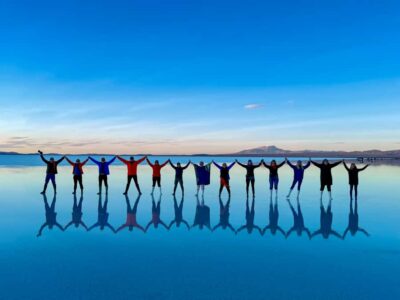
Uyuni Salt Flats & San Pedro de Atacama 3-Day Tour
Read our review →
Uyuni Salt Flats and San Pedro de Atacama 3-Day Tour
Read our review →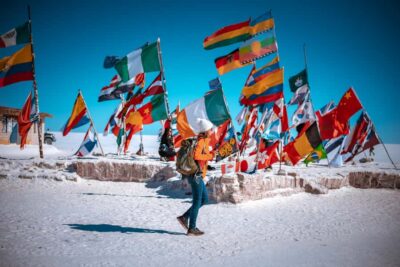
4-Day Trip to San Pedro de Atacama w/Salt Flats
Read our review →Browse the lists this tour appears in