
Reviewed · UYUNI SALT FLAT TOURS
From Uyuni: 3-Day Tour to San Pedro with Salt Flats Visit
Uyuni’s great appeal is the change of scene: one morning you are crossing a white salt plain that seems to run forever, and two days later you are standing beside smoking geysers before crossing into Chile. This three-day 4WD journey packs a remarkable amount into a route that ends in San Pedro de Atacama rather than returning to Uyuni.
I like the direct transfer to San Pedro and the chance to see Incahuasi Island, flamingo lagoons, and Red Lagoon in one trip. I also like that meals, a driver, a guide, and two nights of lodging are included, which makes the $419 price easier to understand.
The catch is comfort. Both nights use shared six-bed rooms and shared toilets, and cold conditions and limited hot water are part of the deal. Bring Bolivianos in cash, a sleeping bag, and patience for long hours in a vehicle.
Key points to know before booking
- Uyuni to San Pedro in one scenic route: You finish at San Pedro de Atacama’s main square at about 1:30 p.m. on day three.
- A compact 4WD group: The group is limited to 11 people, with the exact number sharing each Jeep depending on the booking.
- The salt flats are only day one: You also visit deserts, volcanic areas, hot springs, colorful lagoons, and geysers.
- Basic high-altitude lodging: The two nights use shared six-bed rooms with shared toilets, and warm water is not guaranteed.
- Extra cash is essential: Budget for entrance fees, toilets, snacks, personal expenses, and a possible 15 Bs Bolivian border charge.
- Chile entry is your responsibility: You must arrange the correct Chilean visa or entry paperwork before departure.
Why this route works so well
This is not a simple visit to the salt flats. It is a one-way journey across Bolivia’s southwest, with the final border crossing into Chile built into the schedule. That makes it useful if your next stop is San Pedro de Atacama, since you avoid returning to Uyuni and then arranging another long transfer.
The trip costs $419 per person. That is not a bargain-basement excursion, but the price includes a 4WD vehicle, driver, English or Spanish-speaking guide, two lunches, two dinners, two breakfasts, two nights of lodging, and the transfer into San Pedro. Once you add the distance, fuel, meals, and remote route, the value is reasonable.
You still need to budget for the main entrance fees. Incahuasi costs 30 Bs, Eduardo Avaroa National Reserve costs 150 Bs, and the hot springs cost 6 Bs. Toilets along the route cost 30 Bs, and you should carry at least 150 Bs for personal spending. The listed Bolivian migration charge is 15 Bs, though the wording says you may need to pay it at the border.
Bring Bolivianos, not dollars or other currencies. This is one of those trips where a small cash reserve matters more than a full wallet.
More salt flat trips running from Uyuni
- Day Trip to Uyuni Salt Flats
★ 4.0 · 602 reviews - 3-Day Tour to Salt Flats and Lagoons
★ 4.5 · 168 reviews - From Uyuni: Red Lagoon & Uyuni Salt Flats 3-Day Guided Tour
★ 4.4 · 160 reviews
Day one: rusted trains and the white Uyuni plain
Pickup is normally between 10:15 and 10:30 a.m. from your Uyuni hotel, with the tour starting around 10:40. If you arrive by air, give the operator your airline and flight time in advance. If your hotel is not on the pickup list, go to the office at 10 a.m. on the corner of Colón Street and Camacho.
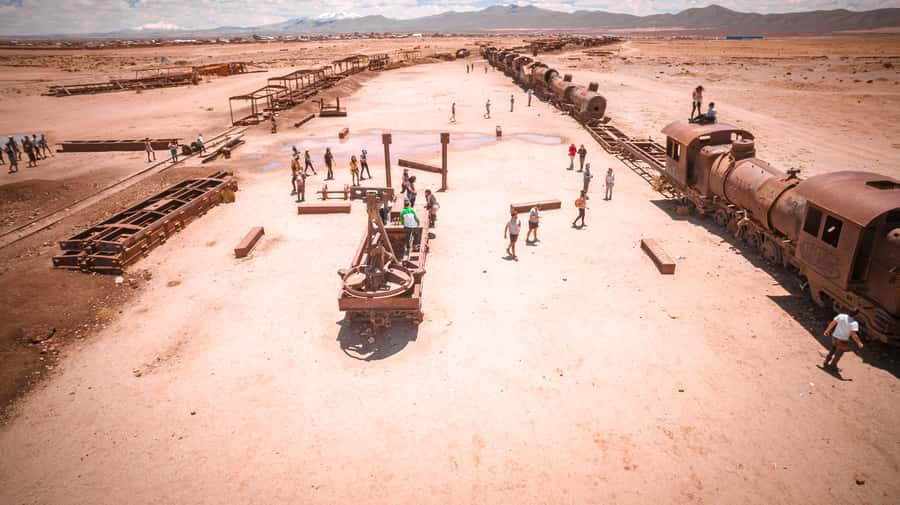
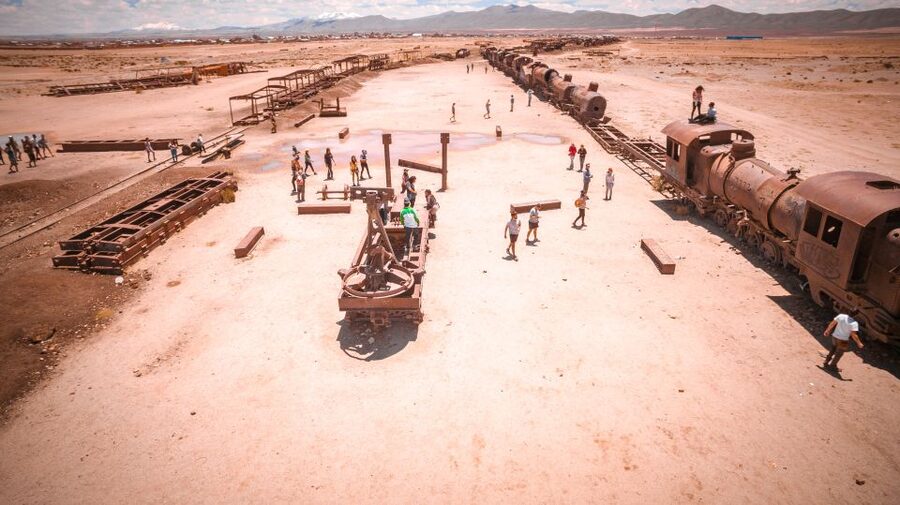
The first stop is Uyuni’s Train Cemetery. Rusted locomotives and carriages sit in the open desert, remnants of Bolivia’s old railway era. The place has a stark, graphic look, and it is well suited to photographs. Do not expect a guided museum visit. The appeal is the setting, the machinery, and the chance to walk around among the remains.
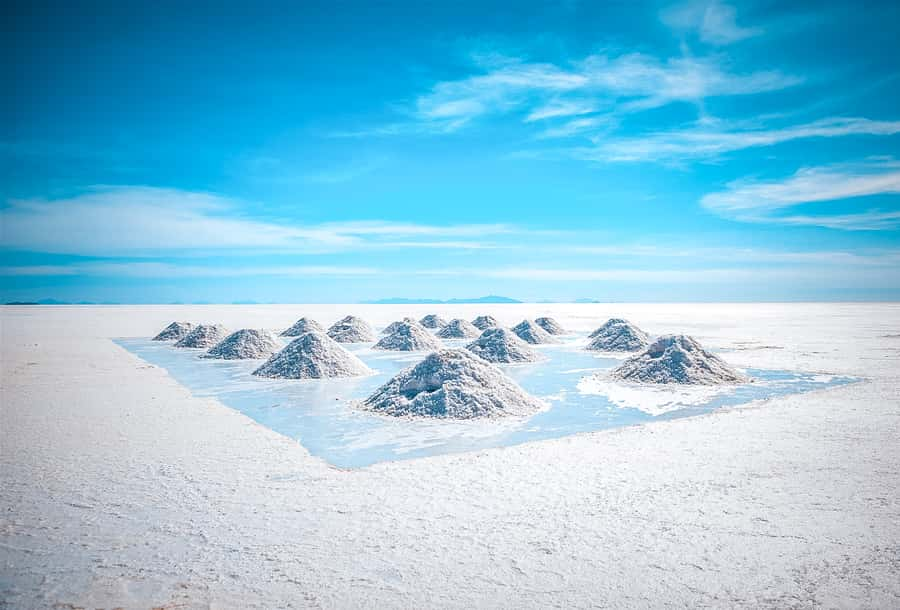
At Colchani, you get a short look at local salt production, an artisanal market, and a museum. This stop gives the salt flats a human side before the road reaches the huge white expanse. The market is brief, so treat it as an introduction rather than a major shopping stop.
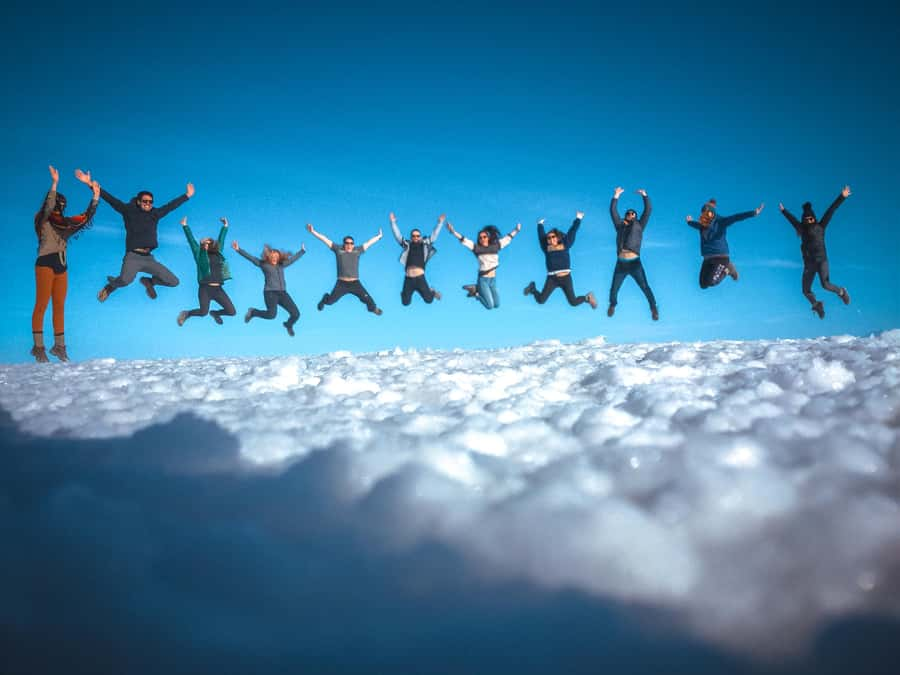
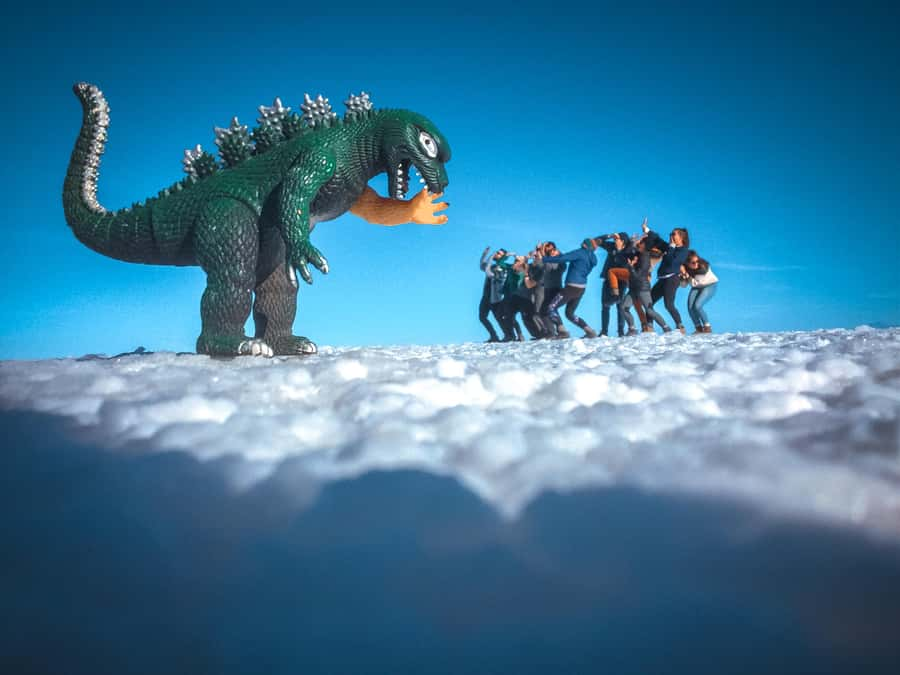
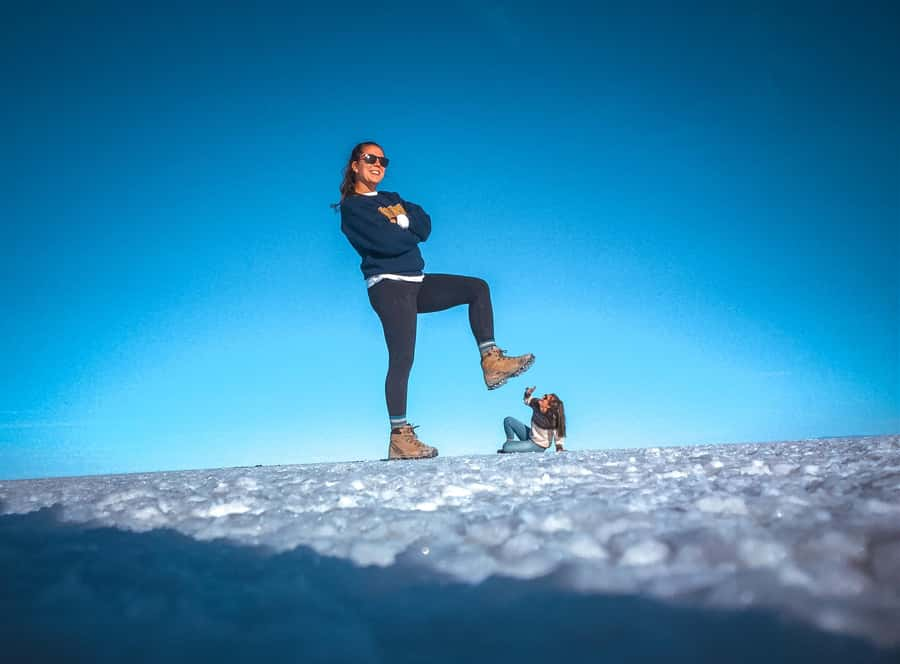
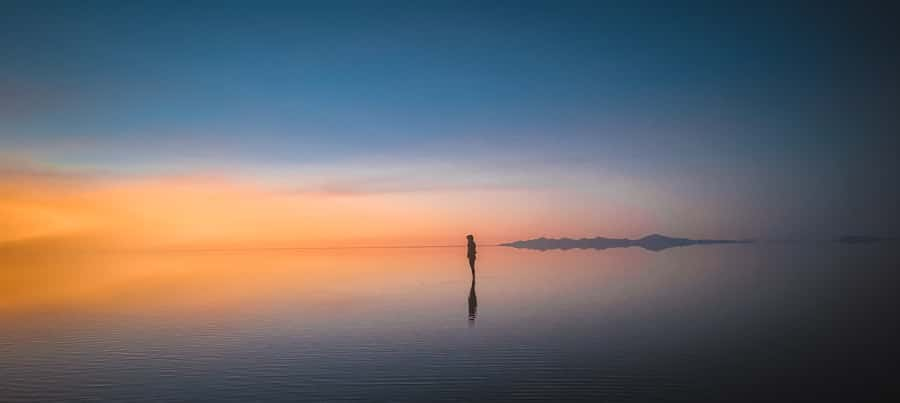
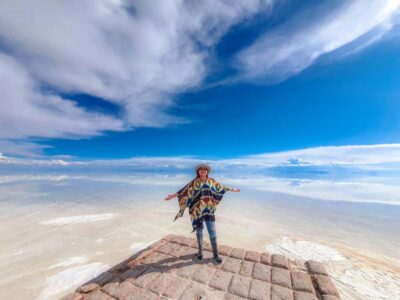
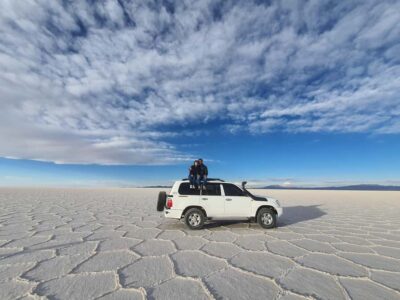
Then the 4WD heads onto the Uyuni Salt Flats, at about 3,663 meters above sea level. The flats cover roughly 12,000 square kilometers, and their scale is the main event. On a clear day, the white surface and open sky create the famous horizonless views. During the wet season from January to April, access to Incahuasi Island is not possible, and the route or overnight location may change because of road conditions.
Stops on the flats include salt eyes, the Salt Hotel-Museum, the Dakar Monument, and flags from around the world. The hotel is built from salt blocks, a memorable reminder that this is not just a scenic surface but a place shaped by salt extraction and tourism.
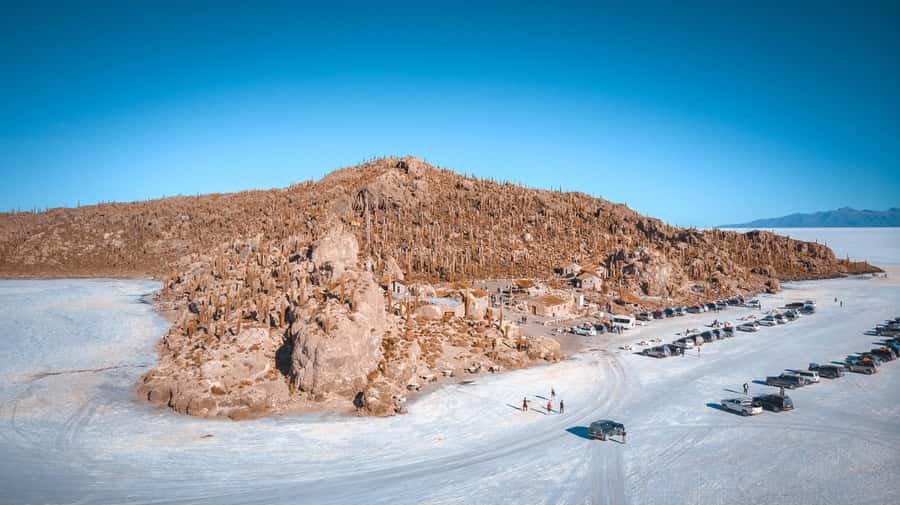
Incahuasi Island is the day’s big finish when conditions allow. Its giant cactuses rise from the middle of the salt plain, and the island’s higher ground provides a wide view over the white expanse. The entrance fee is separate, so keep 30 Bs ready.
The day ends with sunset, a glass of wine, dinner, and the first night in basic accommodation. The itinerary describes the night around Ajencha, while the accommodation information lists Atulcha Salt Hostel. In practical terms, expect a simple salt-flat hostel rather than a polished hotel. The room is shared with your Jeep group, up to six people, and the toilets are shared.
Day two: flamingos, volcanic colors, and Red Lagoon
Day two is the long scenery day. After breakfast, you head toward the Chiguana area and the Ollagüe lookout point before reaching the high Andean lagoons. The route is remote, and the 4WD is not a luxury vehicle. You are here for access, not cushioned comfort.
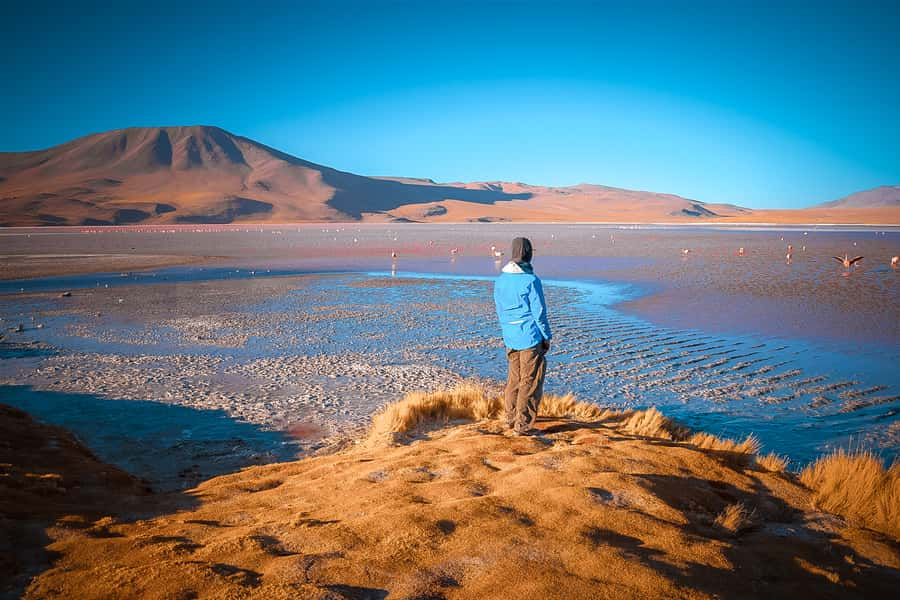
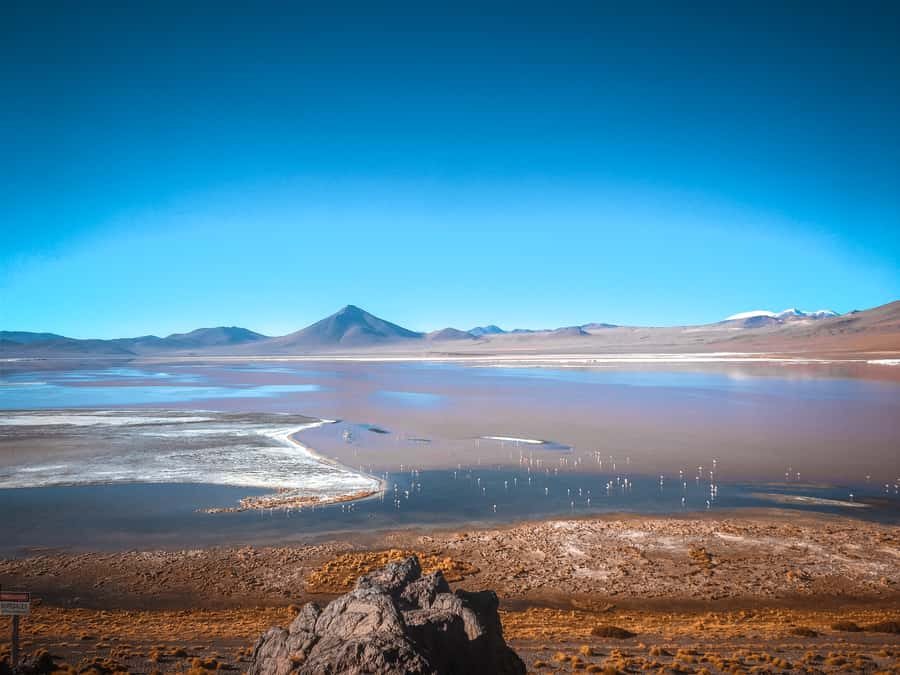
The lagoons of Cañapa, Hedionda, and Chiarcota are known for flamingos. Three varieties can appear in the area: Chilean, James, and Andean flamingos. The birds against the mineral-colored water make these stops especially rewarding, but the cold, wind, and altitude can make short visits feel better than long walks.
Lunch is included, which matters on a day with few services. You should still carry snacks and water or other drinks because drinks are not included. The route continues to the Siloli Desert and the Stone Tree, a naturally shaped rock formation that gives the desert a sculptural focal point.
Red Lagoon is the final major sight of the day. The color comes from mineral-rich water and conditions that support large numbers of flamingos. The setting is exposed and cold, so pack layers that you can put on quickly. The tour does not promise a warm, leisurely stop. It is a photographic viewpoint in a harsh high-altitude environment.
You sleep at a basic hostel in Huayllajara. Again, the arrangement is a shared six-bed room with shared toilets. A practical warning is worth repeating: you may find no warm water, and the nights can be very cold. A sleeping bag is not included, so bring one or arrange one before departure. Toiletries are also your responsibility.
The simple accommodation can feel like the weakest part of the trip, especially after a full day in the cold. Still, it keeps the route moving through an area where comfortable hotels are not the main reason to come. If you need private rooms, dependable showers, or hotel-style heating, this is the wrong format.
Day three: geysers, hot springs, and the Chilean border
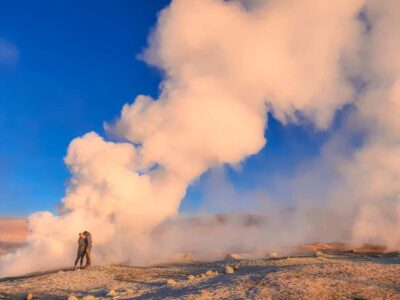
The third day starts very early. The first major stop is Sol de Mañana, a volcanic zone with fumaroles, geysers, bubbling mud, smoke, and a strong sulfur smell. The early timing is not designed for a lazy breakfast. It is part of reaching the geyser area in the morning and fitting the border transfer into the same day.
Stay alert around the volcanic features and follow the guide’s instructions. The ground is described by its holes, mud, steam, and sulfur, so this is not a place for wandering wherever you like. The reward is a raw view of active geothermal forces rather than a neatly arranged attraction.
Next comes the Polques hot springs. The entrance fee is 6 Bs, and a bath can be welcome after a cold morning in the vehicle. Bring a towel and appropriate swimwear as part of your personal packing, since they are not listed among the included items. The pool sits in a striking high-altitude setting, so keep your expectations practical: it is a simple stop for warmth and relaxation, not a spa.
The route continues through the Salvador Dalí Desert, known for multicolored rock formations shaped by wind and erosion. The name points to the surreal quality of the scenery, with isolated formations set against broad desert views. This is another stop where a few minutes outside the vehicle can be enough in cold or windy weather.
At the viewpoint for Green Lagoon, White Lagoon, and Licancabur Volcano, you get the final great panorama in Bolivia. The combination of colored water, volcanic peaks, and open desert gives the last section of the trip a strong visual finish.
The guides assist with the border crossing at about 10 a.m. You then continue to San Pedro de Atacama, arriving at the main square around 1:30 p.m. The route ends in the center of town, which is convenient if you already have onward plans there.
A few more trips around Uyuni worth a look
- Uyuni: Uyuni Salt Flats and San Pedro de Atacama 3-Day Tour
★ 4.3 · 122 reviews - Uyuni Salt Flats 3 Days/ 2 Nights with English Speaking Guide
★ 4.0 · 91 reviews - 3-Day Uyuni Salt Flat Tour with Sunset and Red Lagoons
★ 5.0 · 83 reviews - Uyuni: 3-Day Salt Flats Tour ending in San Pedro de Atacama
★ 4.7 · 62 reviews
What the 4WD ride and group size mean
The group is limited to 11 participants, and transport is by 4WD vehicles. You will spend a great deal of time in the vehicle, crossing rough and remote roads between viewpoints. That makes a small group useful, but it does not turn the ride into a private tour.
The exact seating arrangement depends on the Jeep group. You should be prepared to share space and adjust your expectations about luggage room. Keep essentials such as passport, cash, warm layers, medication, and toiletries easy to reach rather than buried in a large bag.
The guide speaks English or Spanish, and a driver is included. The experience works best when you treat the guide as the person handling timing, route details, and border assistance while you focus on the scenery. No individual guide names are provided, so you should not book this expecting a particular named guide.
Altitude, cold, and daily comfort
Altitude is the main physical concern. Uyuni is already high, and the route continues through elevated desert and volcanic areas. The trip is not suitable for people with altitude sickness or serious back problems, and it is not suitable for people over 95.
You should arrive ready for sharp temperature changes. The flats can feel bright and exposed, while the lagoons and overnight stops can be bitterly cold. Pack warm layers, a hat, gloves, sunscreen, sunglasses, toiletries, and a sleeping bag. Do not rely on the hostels for a full supply of comfort items.
The schedule also includes early mornings and long driving periods. That is the price of covering so many sights in three days. You gain access to remote places, but you give up slow meals, long walks, and much time to yourself.
What is included and what is not
Included meals are two breakfasts, two lunches, and two dinners. That covers the main eating periods during the route, but drinks and snacks are not included. I would bring extra food for the vehicle and keep water available.
The main extra costs are:
- Incahuasi Island: 30 Bs
- Eduardo Avaroa National Reserve: 150 Bs
- Polques hot springs: 6 Bs
- Toilets along the route: 30 Bs
- Possible Bolivian migration charge: 15 Bs
- Drinks, snacks, toiletries, and personal expenses
- Sleeping bag
The tour allows cancellation up to 24 hours before departure for a full refund and offers reserve-now, pay-later booking. Those policies help if your Bolivia schedule is still shifting, but they do not replace the need to confirm your Chilean entry requirements.
Who should book this Uyuni to San Pedro trip
I would choose this tour if you want the major sights in Bolivia’s southwest and need to reach San Pedro without backtracking. It suits an active, flexible visitor who values scenery and route efficiency more than hotel comfort.
It is also a good fit if you want a shared experience with a small group and appreciate having transport, meals, a guide, and border assistance arranged together. The English-speaking option helps if you do not speak Spanish, though the guide’s individual name is not specified.
I would hesitate if you have back problems, struggle with altitude, dislike rough roads, or need private accommodation. The shared rooms, shared toilets, cold nights, early start, and uncertain hot water are not minor details. They shape the trip.
Should you book it?
Book this $419 trip if the main goal is to see the Uyuni Salt Flats, high Andean lagoons, geysers, and volcanic scenery while continuing directly to San Pedro de Atacama. The route is efficient, the included services are useful, and the sights are unusually varied.
Skip it if comfort is central to your holiday. The strongest part is the scenery and the practical route, not the lodging. Bring cash in Bolivianos, a sleeping bag, warm clothing, snacks, and the correct Chilean documents, and you will be much better prepared for this memorable but demanding crossing.
FAQ
Where does the tour start?
The tour starts in Uyuni, Bolivia. Hotel pickups are generally between 10:15 and 10:30 a.m., and the tour begins around 10:40 a.m.
Where does the tour end?
The drop-off is at the main square in San Pedro de Atacama, Chile, at about 1:30 p.m. on the third day.
Is transportation included?
Yes. Transportation in a 4WD vehicle and the transfer to San Pedro de Atacama are included.
How many people are in the group?
The tour is described as a small-group experience limited to 11 participants.
Is a guide included?
Yes. A guide and driver are included. Guiding is available in English and Spanish.
Are meals included?
Two breakfasts, two lunches, and two dinners are included. Drinks and snacks are not included.
What kind of accommodation is provided?
Both nights use basic accommodation in shared six-bed rooms with your Jeep group and shared toilets. The first night is listed at Atulcha Salt Hostel, and the second at a hostel in Huayllajara.
Which entrance fees must I pay separately?
You must pay separately for Incahuasi Island, the Eduardo Avaroa National Reserve, and the hot springs. Toilets, personal expenses, drinks, snacks, and a sleeping bag are also not included.
Do I need a visa for Chile?
You must arrange any Chilean visa or entry documentation required for your nationality. The tour provider does not accept responsibility for those documents.
Just added around Uyuni
- Uyuni: Classic Uyuni Salt Flats Tour + Hotel Pickup★ 3.0 · 4 reviews
- UYUNI SALT FLAT: SUNRISE & STARLIGHT EXPERIENCE★ 3.1 · 3 reviews
- Uyuni: Salar de Uyuni Traditional Tour+Sunset Tour★ 4.8 · 3 reviews
- UYUNI SALT FLAT: SUNSET & STARLIGHT EXPERIENCE★ 5.0 · 3 reviews
- Uyuni: Salar de Uyuni and San Pedro de Atacama 3-Day Tour★ 4.2 · 4 reviews
- Uyuni: 3-Days Salt Flats and Desert Adventure Tour with Food★ 3.8 · 4 reviews
- Uyuni: Full-day tour, Salt flats and Sunset experience★ 4.8 · 5 reviews
- Uyuni: 2-day tour to the salt flat and altiplanic lagoons★ 3.3 · 3 reviews
Uyuni Salt Flat Tours, compared.
Uyuni Salt Flat Tour & Overnight Roundtrip Bus
Read our review →
Red Lagoon & Uyuni Salt Flats 3-Day Guided Tour
Read our review →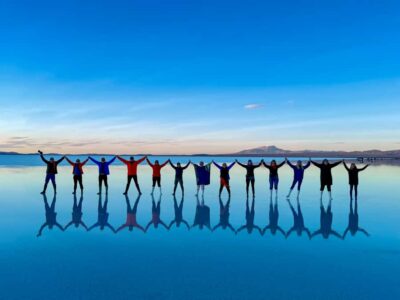
Uyuni Salt Flats & San Pedro de Atacama 3-Day Tour
Read our review →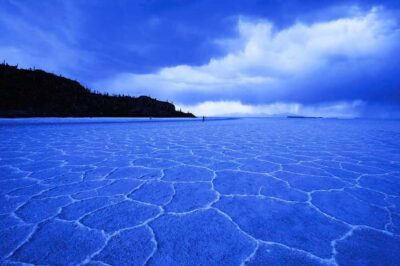
Uyuni Salt Flats and San Pedro de Atacama 3-Day Tour
Read our review →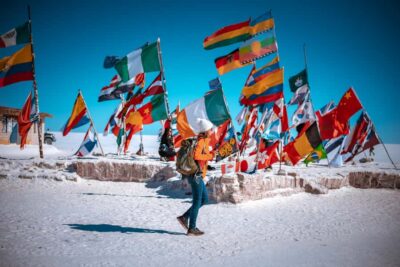
4-Day Trip to San Pedro de Atacama w/Salt Flats
Read our review →Browse the lists this tour appears in