
Reviewed · SAN PEDRO DE ATACAMA CROSSINGS
San Pedro de Atacama: 3 D. Tour Uyuni and Back to San Pedro
Uyuni is not just a salt flat. The three-day route from San Pedro de Atacama crosses Bolivia’s high Altiplano, where red water, white salt, volcanoes, flamingos, giant cacti, and wind-cut rocks appear in quick succession. By the time you reach the salt flats, the long drives feel like the price of admission.
I like the small vehicle groups, capped at four people in the 4WD car, and I like the care taken with high-altitude travel, including warm rooms, hot water, and oxygen available if needed. The guides, especially Freddy, are praised for explaining geology, wildlife, Bolivian history, and local life rather than simply pointing at the scenery.
The catch is simple: this is a rough, early-rising adventure, not a pampering holiday. The first day reaches about 4,500 meters, roads are bumpy, and altitude sickness can spoil the fun. At $750 per person, the price is high, but the direct return to San Pedro, private 4WD travel, meals, park fees, and small-group service make it a fair choice for a short, well-supported visit to southern Bolivia.
Key points to know before booking
- The first day is the hardest: Expect an early start, long drives, rough roads, and high altitude soon after leaving San Pedro.
- The route packs in major sights: Green Lagoon, Laguna Colorada, the Siloli Desert, Dalí Rocks, San Cristóbal, and Uyuni all fit into three days.
- Flamingos and other wildlife are part of the trip: You may see vicuñas, llamas, foxes, viscachas, hawks, chinchillas, and other Altiplano species.
- Incahuasi Island adds more than a photo stop: Giant cacti and coral fossils show that an ancient sea once covered the high plain.
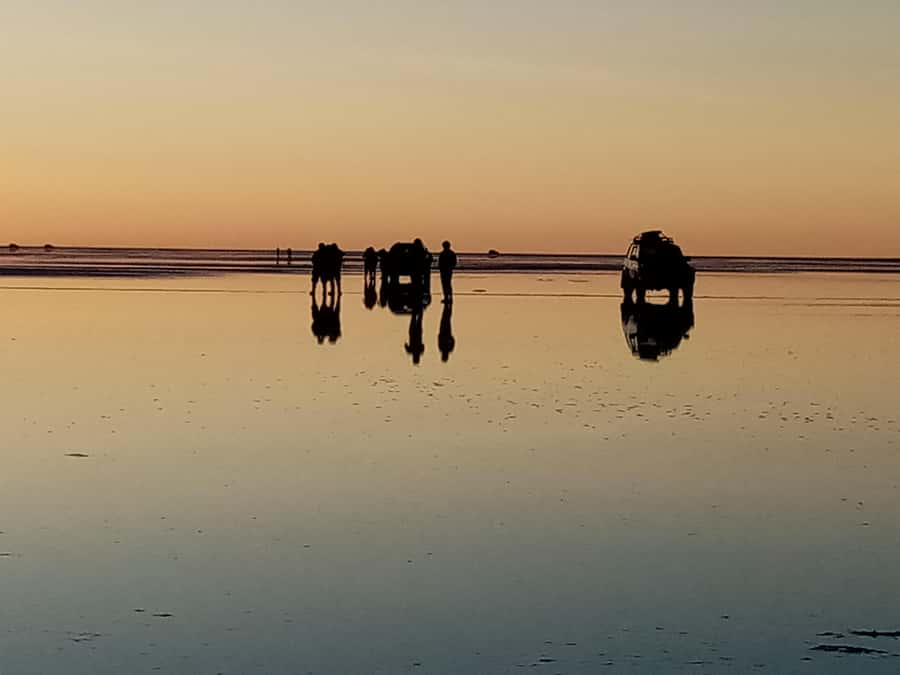
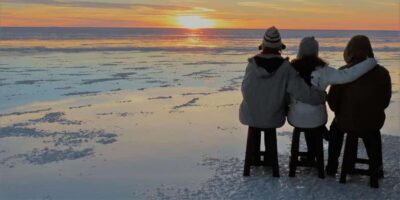
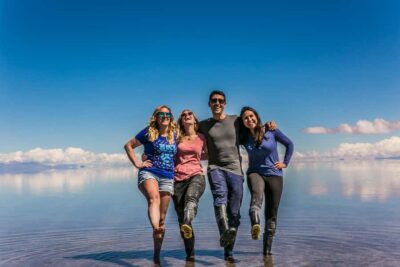
- The sunset is the emotional high point: The salt flat becomes a huge reflective surface, giving you excellent conditions for unusual photos.
- Comfort is basic but useful: The two hotels have heating and hot water, a welcome benefit after cold hours outdoors.
Crossing from San Pedro into Bolivia at 6:00 a.m.
Your day begins with pickup at your hotel around 6:00 a.m. A shared van takes you from San Pedro de Atacama to Hito Cajones, the Bolivian border, in about an hour. Immigration marks the practical start of the trip, and the change is striking: paved Chilean roads give way to a wilder high plateau, with fewer buildings and far less traffic.
The road climbs toward the Bolivian Altiplano, reaching heights near 4,500 meters. This is why the tour is not recommended for people with altitude sickness, children under 10, or people over 70. Even fit people can feel headache, tiredness, shortness of breath, or nausea at this elevation.
I would bring water, snacks, a jacket, and any personal medication you normally use for headaches or altitude discomfort. One useful tip is to pack an electrolyte drink. A Swedish couple specifically recommended Gatorade, ibuprofen, and extra snacks after finding the first day tiring.
Your exact guide may vary. Freddy is especially well regarded for his explanations of Bolivian history, geology, plants, animals, and politics, while guides such as Victor and Christian have also led departures. Drivers including Isaac, Cristian, Roly, and Javier have been praised for handling the rough roads carefully and stopping for wildlife and photos.
More crossings to San Pedro de Atacama from Bolivia
- La Paz: Uyuni Salt Flats & San Pedro de Atacama 3-Day Tour
★ 4.1 · 145 reviews - Uyuni: Uyuni Salt Flats and San Pedro de Atacama 3-Day Tour
★ 4.3 · 122 reviews - From La Paz: 4-Day Trip to San Pedro de Atacama w/Salt Flats
★ 4.2 · 109 reviews
Day one: lagoons, volcanoes, and the Siloli Desert
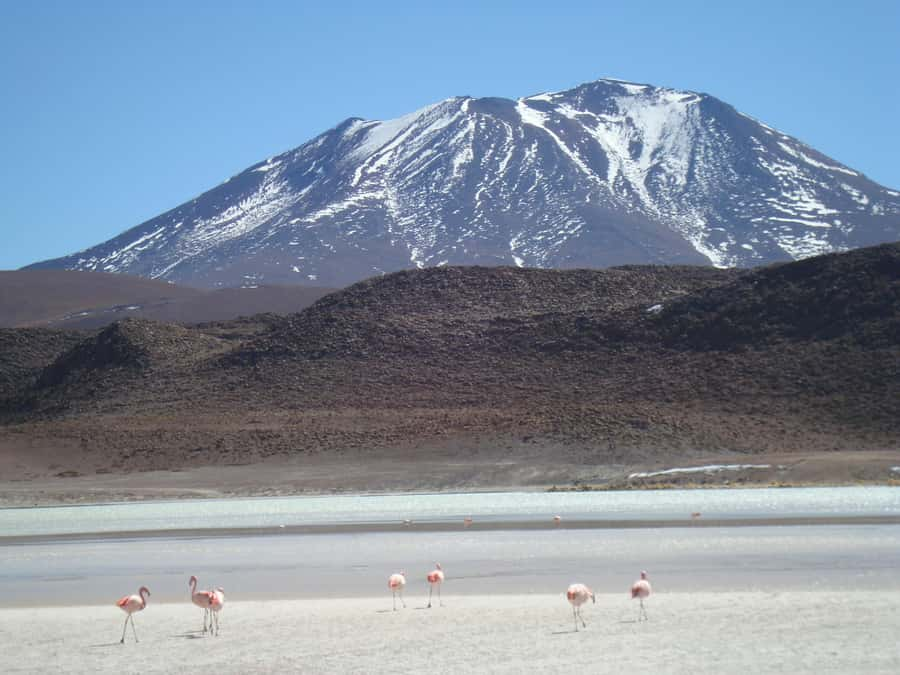
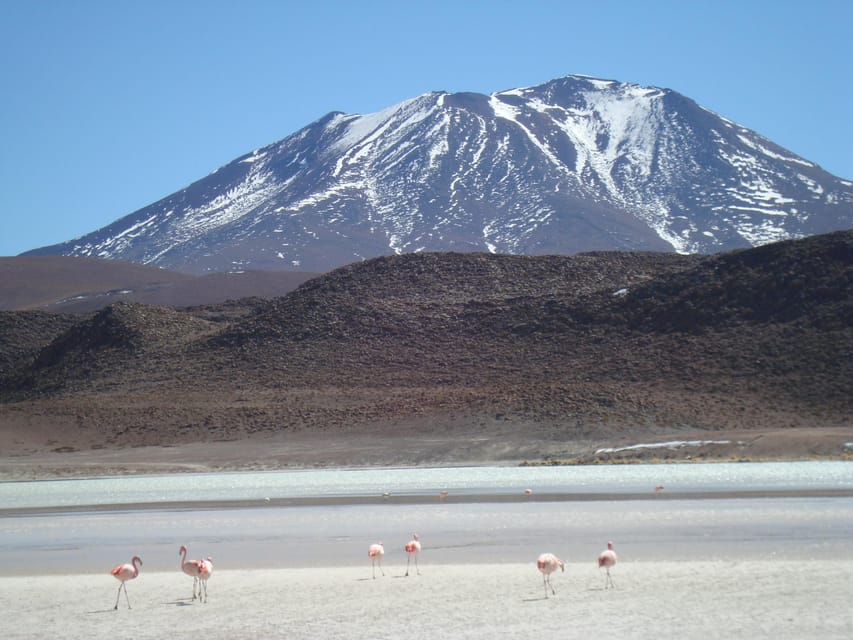
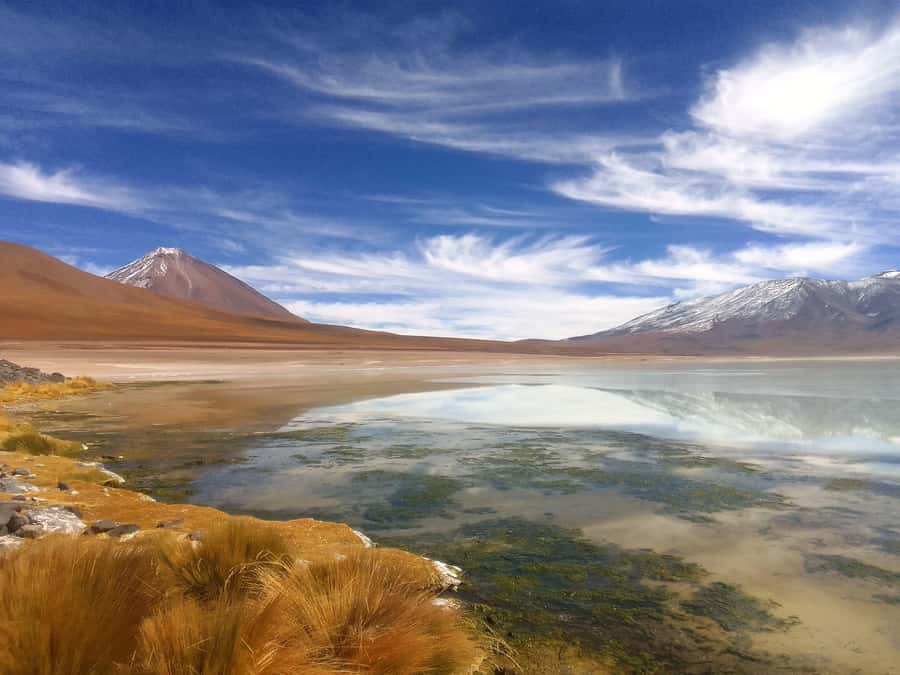
The first day is a grand tour of the Bolivian high desert. Green Lagoon is one of the main early stops, with Licancabur Volcano forming a dramatic backdrop. The water color changes with minerals, light, and wind, so the view can look different from one moment to the next.
The route then reaches the famous Dalí Rocks. Wind has shaped isolated stones into strange, balanced forms across the desert. The name comes from their resemblance to the surreal works of Spanish painter Salvador Dalí, though the rocks themselves are entirely natural.
The colorful lagoons are the real stars of the day. Their shades range from green and blue to rust-red and white, created by minerals, sediment, algae, and changing light. Laguna Colorada is the most memorable, with deep red water caused in part by Dunaliella salina algae and a high concentration of ocher-colored sediment.
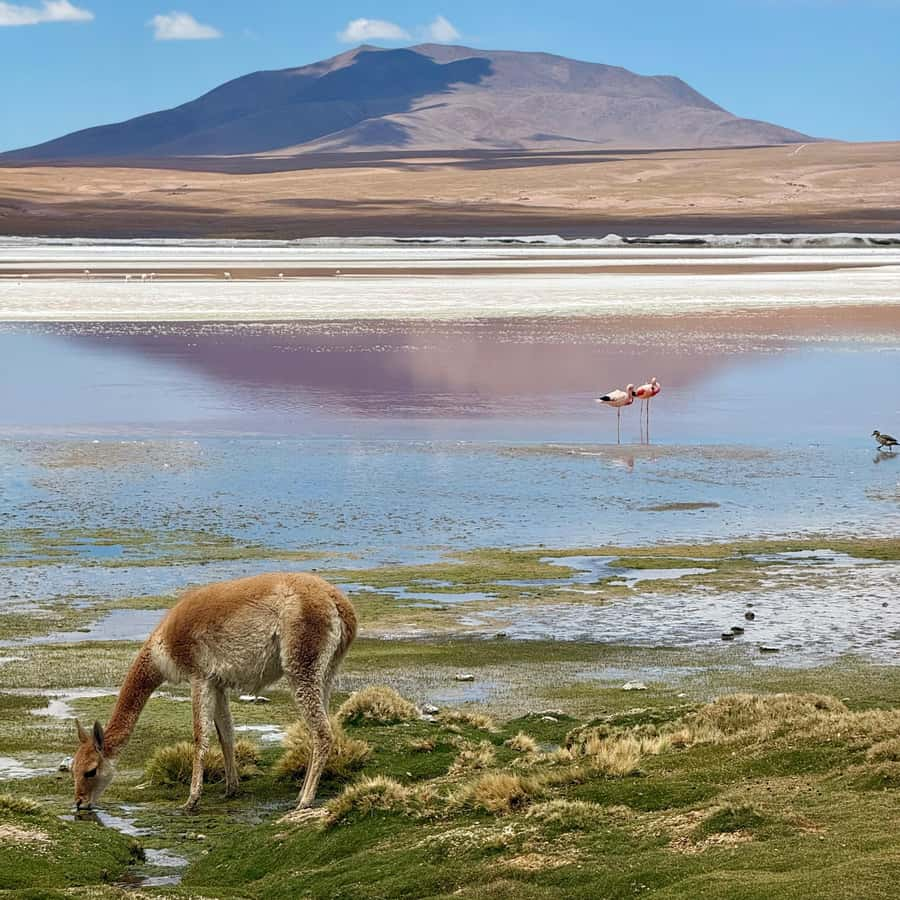
The lagoon also supports hundreds of flamingos. These birds feed and breed in a place that appears too dry and cold for much life at all. Look beyond the flamingos, too. The route can bring sightings of vicuñas, llamas, foxes, hawks, viscachas, chinchillas, and other animals adapted to the thin air.
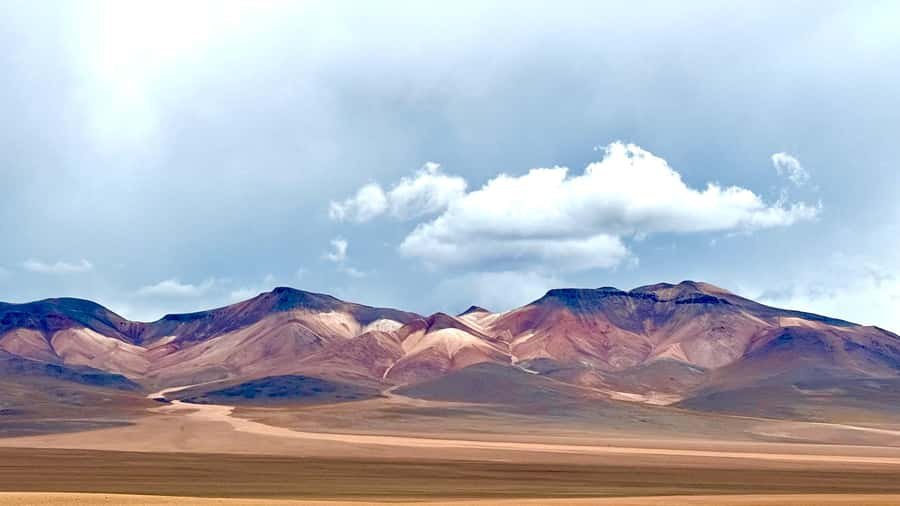
The Siloli Desert adds a different mood. Instead of water and birds, you get open gravel plains, volcanic shapes, and rock formations cut by wind over vast stretches of time. The claim that these formations have changed little for millions of years may sound grand, but the feeling on the ground is clear: this is an old, exposed world with very little human alteration.
Day one ends around San Cristóbal at Kachi Wasi Hotel. This is not a luxury stay, but it has heating and hot water, both of which matter after a full day at altitude. Dinner is included, along with a packed lunch during the day. Expect a simple base for sleep, not a resort.
Day two: reaching the Uyuni Salt Flat
After breakfast, the route turns toward the main event, the Uyuni Salt Flat. At about 3,600 meters above sea level, Salar de Uyuni covers roughly 10,000 square kilometers. Its scale is difficult to grasp from ground level because the horizon often looks like a straight line between white earth and blue sky.
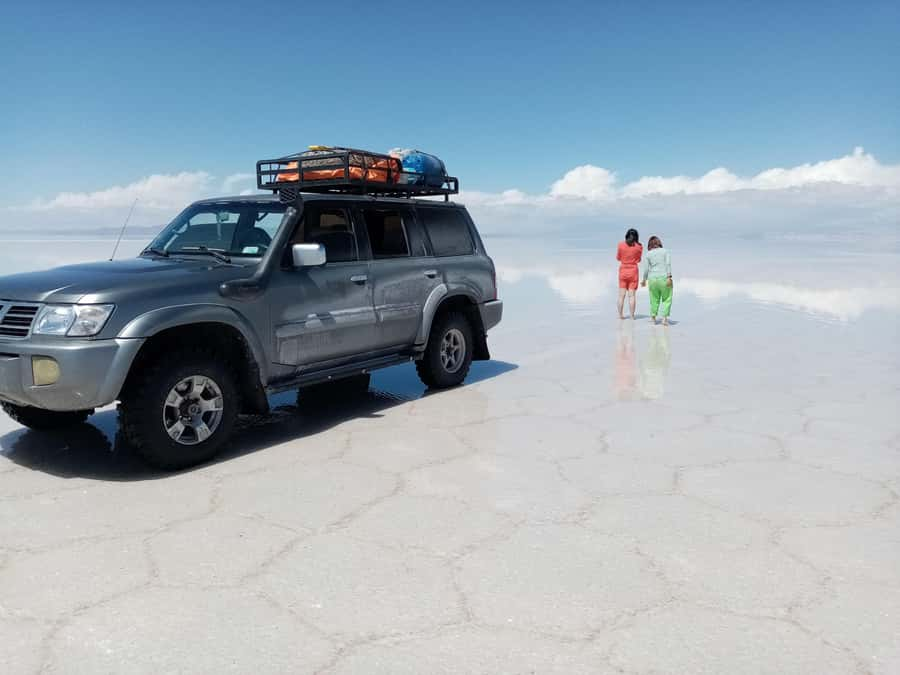
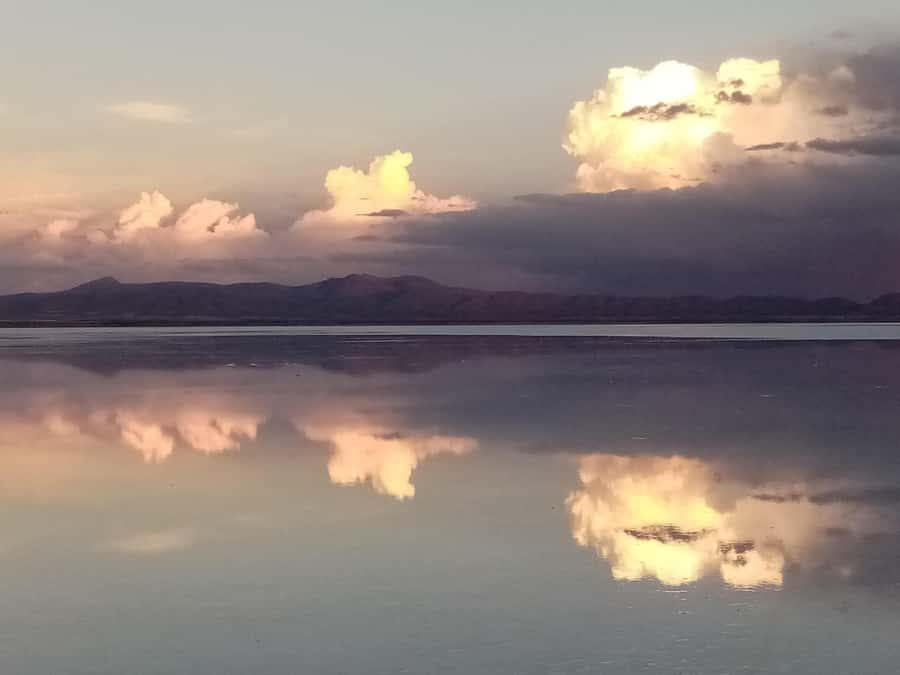
The surface is formed by salt left behind when ancient water evaporated. In dry conditions, geometric patterns spread across the crust. During wetter periods, a thin layer of water can turn the plain into a giant mirror. Conditions change by season, so you should not book expecting one exact visual effect, but the flat is striking in either form.
Incahuasi Island rises from the salt near the center of the plain. The island is covered with giant cacti, some reaching seven or eight meters high. These slow-growing plants make the island feel almost unreal, especially when seen against miles of white salt.
Incahuasi also holds coral fossils. They are a reminder that the Altiplano was once covered by an ancient sea. This is one reason I prefer having a guide who explains the setting rather than treating the island as a quick photo stop. The cacti are impressive, but the fossils give the place a much longer story.
You may also see viscachas, lizards, insects, and green hummingbirds around the island. The hummingbirds feed near the cacti but tire quickly in the thin air. Take your time walking and do not treat the island like a sea-level park. Even a modest uphill path can leave you breathing hard.
The 4WD vehicle is central to the whole trip. The car carries no more than four people, which gives you more room than a crowded group vehicle and makes it easier to stop for photos. The road surface can be rough, but experienced drivers such as Isaac, Cristian, Roly, and Javier are a major part of the tour’s value.
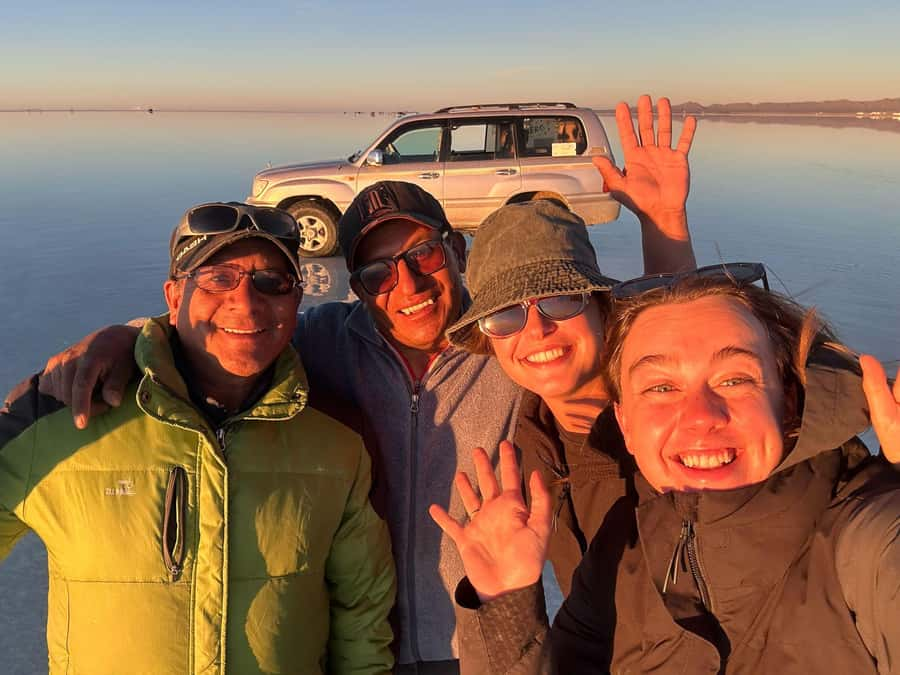
The afternoon is set aside for crossing the salt flat and reaching the shore for sunset. This is the trip’s best photo window. The wide, simple setting lets you play with perspective, reflections, shadows, and scale without needing elaborate equipment.
That night is spent at Hotel Toñito in Uyuni. It has heating and hot water, and the meals supplied during the trip include breakfast, boxed lunches, and dinner as specified. Dinner in Uyuni City is not included, so keep extra money available for that meal. The accommodation and food are practical rather than polished, but they offer a warm place to sleep after the salt flat.
Day three: the train cemetery and return to San Pedro
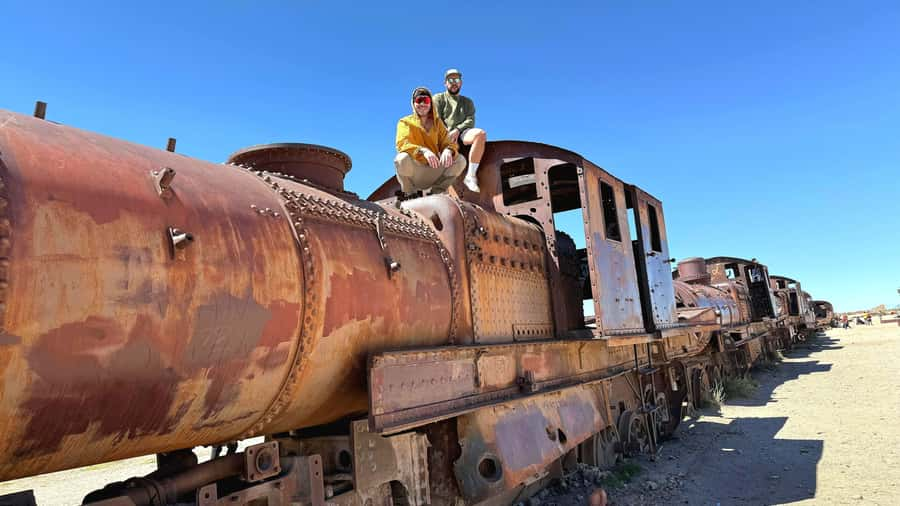
The final day starts early again. You first visit the train cemetery near Uyuni, where old locomotives sit exposed to the dry air. It is a stark stop, with rusted machinery set against the open plain. It takes little time, but it gives the morning a different texture after two days of natural scenery.
From there, the 4WD travels toward Villa Mar and Lake Catal. The route includes about three hours of driving before a hike across a broad highland area surrounded by volcanoes and hundreds of llamas. The walk is part of the appeal, but the altitude and cold can make it feel harder than the distance suggests.
The return crosses the Altiplano and the main volcanic range before reaching Hito Cajones. A private transfer then takes you back into Chile, with arrival at your San Pedro hotel expected around 3:30 p.m. The direct return is a major advantage for anyone who has only three days and does not want to arrange a separate trip from Uyuni.
This final day is not a relaxed drive home. You are still covering a large distance, and the early departure means you may feel the accumulated strain. Still, the changing views, llamas, volcanoes, and open country keep the trip from feeling like a simple transfer.
A few more trips around Bolivia worth a look
- La Paz and El Alto: Cable Car Rides and Walking Tour
★ 4.8 · 790 reviews - Day Trip to Uyuni Salt Flats
★ 4.0 · 602 reviews - La Paz Half-Day Walking Tour
★ 4.8 · 591 reviews - La Paz: Private City Tour with Cable Car & Moon Valley Visit
★ 4.9 · 508 reviews
What the $750 price includes
At $750 per person, this is one of the more expensive ways to visit Uyuni from San Pedro. The price makes more sense when you add up what is bundled: border transfers, a private 4WD with driver, two hotel nights, two breakfasts, three boxed lunches, one dinner, English-language guiding, national park and Incahuasi fees, and the private return transfer from Bolivia to San Pedro.
The small group matters. A maximum of four people in the car gives you more space for luggage and makes photo stops less complicated. The wider activity can have up to 12 participants, but the drive itself is described as limited to four people per car. Confirm the exact group arrangement before paying if this detail is important to you.
The strongest value comes from the shortened schedule. Many Uyuni trips from San Pedro use four days for the round trip. This option gets you across the border, through the lagoons, to the salt flat, and back to Chile in three days. You pay more for speed and organization, but you also save a separate travel day.
The drawbacks are just as clear. You do not get luxury lodging, dinner in Uyuni City is extra, and much of the trip takes place on rough roads. If you want a soft bed, slow mornings, and long time at each stop, this is not the right product at any price.
Food, rooms, and practical comfort
The hotels are basic but chosen for useful comforts: heating and hot water. That matters more here than stylish design. Temperatures drop sharply at night, and a warm shower after a day outdoors can make the next morning much easier.
Food is described as good Bolivian cooking, with vegetarian arrangements available. Meals are part of the package, but you should carry snacks because the driving days are long and meal timing may not match your normal routine.
Pack comfortable shoes, swimwear, a towel, a jacket, spare clothes, and warm layers. Swimwear and a towel are useful for hot springs along the route. A waterproof outer layer is sensible around water, while a warm jacket is essential in the early morning and after sunset.
The tour does not permit alcohol or drugs. Free cancellation up to 24 hours before departure and reserve-now, pay-later booking are offered, which gives you some flexibility if your border plans are still changing.
Who should book this three-day crossing?
I would choose this trip if you want Uyuni but need to return to San Pedro quickly. It suits photographers, wildlife fans, geology lovers, and anyone who prefers open country to city sightseeing. The small car and English-speaking guide also make it a good fit if you want plenty of explanation and room for questions.
It is especially useful for people who value competent driving. On roads this rough and remote, a careful driver is not a minor detail. Drivers on this route have helped locate wildlife, choose photo positions, and keep the group moving safely.
I would not choose it for a family with young children, anyone who has already struggled with altitude, or anyone expecting comfort at every stage. The first day can be exhausting, and the repeated early starts leave little spare energy.
You should also be comfortable with limited control over the schedule. The distances are fixed by geography, border procedures, daylight, and road conditions. The reward is access to an extraordinary part of Bolivia in a short window, but the tradeoff is a demanding pace.
Should you book it?
Book this tour if your priority is seeing the greatest number of southern Bolivia’s major sights while returning to San Pedro in three days. The combination of red lagoons, flamingos, Dalí Rocks, Incahuasi Island, giant cacti, wildlife, and a salt-flat sunset gives you a lot for the time available.
At $750, it is not the bargain option. You are paying for the compressed schedule, private 4WD travel, border coordination, experienced drivers, English guiding, and included fees. If those details reduce stress and save a day, the price is reasonable.
Skip it if you need luxury, easy roads, or a gentle pace. For an adventurous visitor prepared for altitude and long drives, this is a strong, practical way to see Uyuni without turning the trip into a longer logistical project.
FAQ
How long does the tour last?
The tour lasts three days and returns you to your hotel in San Pedro de Atacama at about 3:30 p.m. on the final day.
What time does pickup begin?
Pickup from your hotel is scheduled for 6:00 a.m. on the first day. A guide is expected at reception about 10 minutes before the agreed meeting time.
Is transportation included from San Pedro to the Bolivian border?
Yes. A shared van takes you from San Pedro to Hito Cajones, the Bolivian border, in about one hour.
How many people travel in the 4WD car?
The 4WD tour is limited to no more than four people in the car. The broader activity is listed as a small group of up to 12 participants.
Are meals and accommodation included?
Two nights of accommodation are included, at Kachi Wasi Hotel and Hotel Toñito. The package includes two breakfasts, three boxed lunches, and one dinner. Dinner in Uyuni City is not included.
Is the tour suitable for people with altitude sickness?
No. The tour is not suitable for people with altitude sickness, and the route reaches elevations of about 4,500 meters. It is also not suitable for children under 10 or people over 70.
What should I bring?
Bring comfortable shoes, swimwear, a towel, a jacket, comfortable clothing, and a change of clothes. Warm layers, snacks, water, and an electrolyte drink are also sensible for the long, cold, high-altitude driving days.
Just added around Bolivia
- Uyuni tour express from Sucre by bus (round trip)★ 4.2 · 4 reviews
- UYUNI SALT FLAT: SUNRISE & STARLIGHT EXPERIENCE★ 3.1 · 3 reviews
- Uyuni: Classic Uyuni Salt Flats Tour + Hotel Pickup★ 3.0 · 4 reviews
- Uyuni: Salar de Uyuni Traditional Tour+Sunset Tour★ 4.8 · 3 reviews
- UYUNI SALT FLAT: SUNSET & STARLIGHT EXPERIENCE★ 5.0 · 3 reviews
- Uyuni: Salar de Uyuni and San Pedro de Atacama 3-Day Tour★ 4.2 · 4 reviews
- Uyuni: 3-Days Salt Flats and Desert Adventure Tour with Food★ 3.8 · 4 reviews
- Uyuni: Full-day tour, Salt flats and Sunset experience★ 4.8 · 5 reviews
San Pedro de Atacama Crossings, compared.
Uyuni Salt Flats & San Pedro de Atacama 3-Day Tour
Read our review →
Uyuni Salt Flats and San Pedro de Atacama 3-Day Tour
Read our review →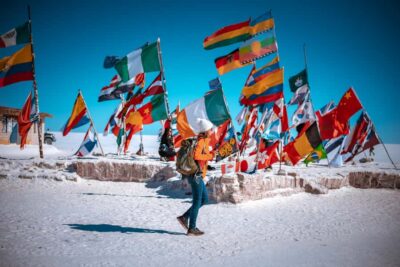
4-Day Trip to San Pedro de Atacama w/Salt Flats
Read our review →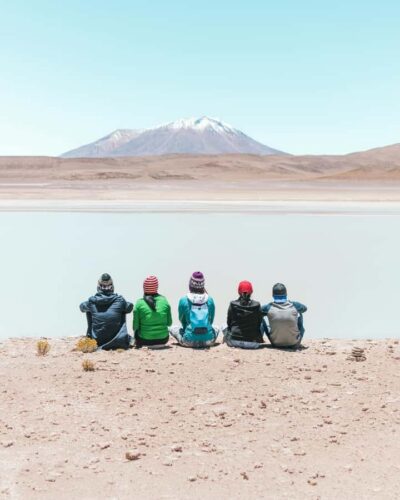
3-Day Salt Flats Tour ending in San Pedro de Atacama
Read our review →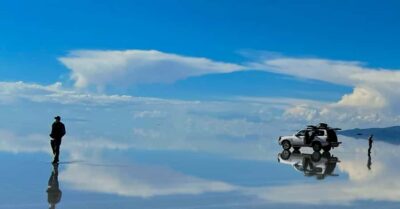
From La Paz to Atacama: Uyuni Salt Flats 4-Day Tour
Read our review →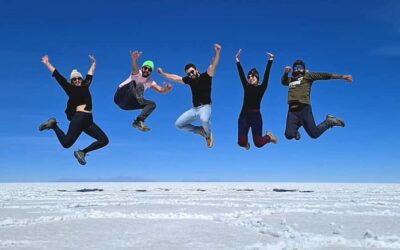
Salar de Uyuni and San Pedro de Atacama 3-Day Tour
Read our review →Browse the lists this tour appears in