
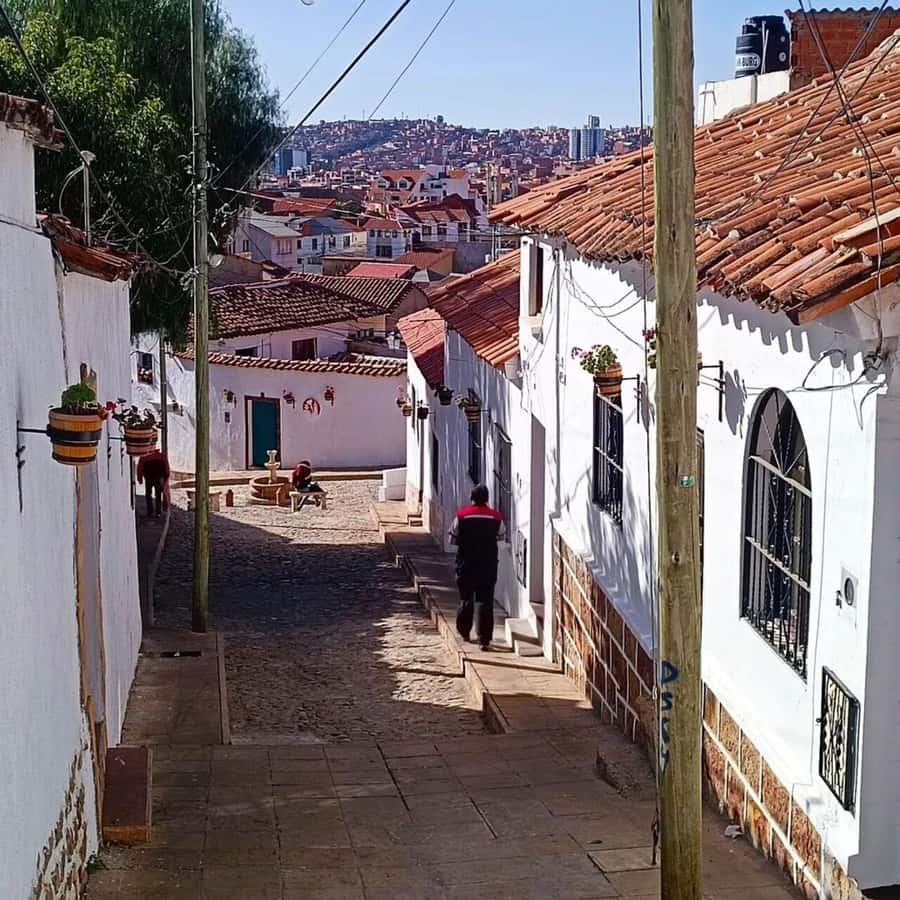
Reviewed · SUCRE AND MARAGUA TRIPS
Sucre: A Day Spent Exploring the Historic Area of the City
Sucre’s story comes alive in places that still serve a purpose: a cemetery where families tend graves, a university that shaped Bolivia’s politics, and a convent terrace that opens onto the city’s whitewashed rooftops. This seven-hour walk takes you through the places that explain why Sucre matters, not just the prettiest corners.
I like the traditional breakfast near the old cemetery, which gives the morning a local start instead of dropping you straight into a museum. I also like the mix of grand colonial buildings and indigenous craft at ASUR. The main drawback is the pace: this is a long walking day with stairs, sun, and public transport, so it is not a good fit if you need an easy-access tour.
Key points at a glance
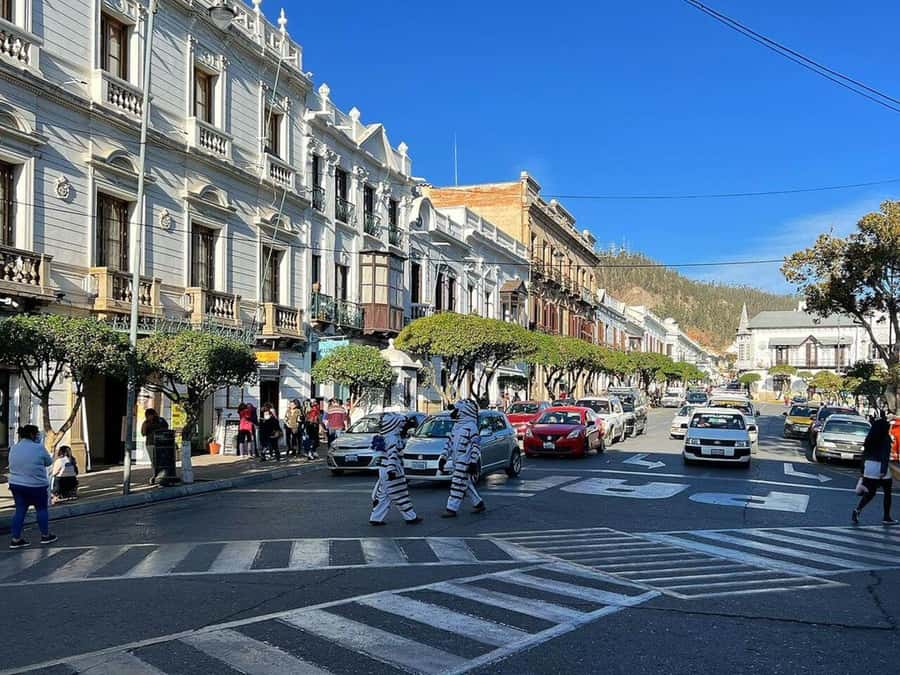
- The cemetery begins the day: Allow 75 minutes for a guided visit and breakfast near one of Sucre’s most peaceful historic sites.
- Bolivia’s independence gets proper context: Casa de la Libertad marks the place where the Declaration of Independence was signed on August 6, 1825.
- The university is part of the story: Founded in 1624, San Francisco Xavier helps explain Sucre’s intellectual and political importance.
- ASUR adds living culture: You see indigenous textiles and clothing from several periods, along with traditional weaving demonstrations.
- The final views are excellent: San Felipe Neri offers wide views over Sucre, especially as the day begins to cool.
- Small groups keep the walk manageable: A maximum of 10 participants makes it easier to hear the guide and ask questions.
Starting at Plaza Oruro and the old cemetery
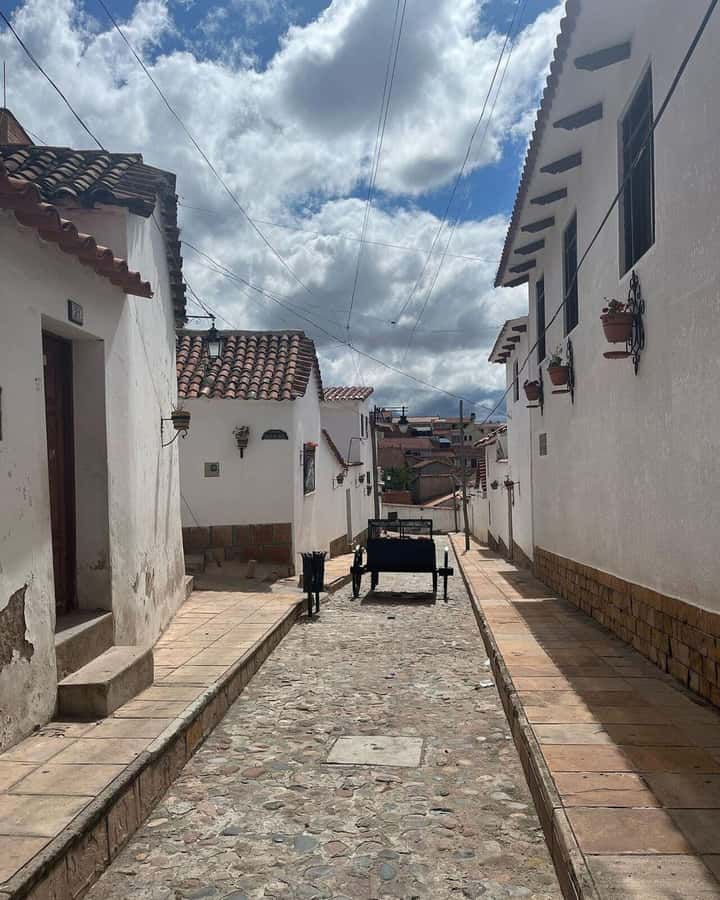
Meet your guide at Plaza Oruro, in front of Sucre’s old cemetery. You receive the guide’s name by email or WhatsApp one day before the tour. That small detail matters, since the afternoon meeting point is different and your guide gives you those instructions during the day.
The cemetery is not treated as a quick photo stop. You spend about 75 minutes here, with time for a guided visit and a traditional Bolivian breakfast at a nearby local eatery. The meal is included, while lunch later in the day is not, so this breakfast is useful as more than a cultural introduction.
Sucre’s General Cemetery offers a quiet look at local religious customs and family life. The setting is peaceful, but you should behave with care. Keep your voice low, follow the guide’s instructions, and avoid treating graves as props. Photography is possible, but respect comes first.
I think this is one of the strongest choices in the schedule. Starting with the cemetery gives the tour a human scale. You begin with local traditions and remembrance before moving into the grander story of universities, presidents, and independence.
More Sucre and Maragua trips from Bolivia
- Walking tour in Sucre: History, Culture & Amazing Views
★ 4.8 · 79 reviews - Sucre: 1-Day Trek in the Crater of Maragua and Inca Trails
★ 4.8 · 75 reviews - Sucre: Free Walking tour (History, culture and traditions)
★ 4.8 · 47 reviews
San Francisco Xavier and the making of old Sucre
After the cemetery, you ride public transport for about 15 minutes toward the center. This is not private sightseeing transport, so expect an ordinary city bus rather than a dedicated tour vehicle. The bus keeps the cost down and gives you a brief look at how residents move around Sucre, but it may be less comfortable for anyone who prefers a fully private tour.
The next stop is the Universidad Mayor, Real y Pontificia de San Francisco Xavier de Chuquisaca, commonly called USFX. Founded in 1624, it is one of the oldest universities in the Americas. The tour includes entry to the university and about 30 minutes to see the historic law school and its grand architecture.
This stop helps you understand why Sucre became such an important center of ideas and politics. Education here was not a side note. The university helped shape the people and debates that later influenced Bolivia’s independence movement.
Thirty minutes is enough for an introduction, but not for an exhaustive academic visit. If you are fascinated by colonial institutions, you may wish the stop were longer. Still, it fits well in a day that covers many different parts of the city.
Plaza 25 de Mayo and Bolivia’s independence
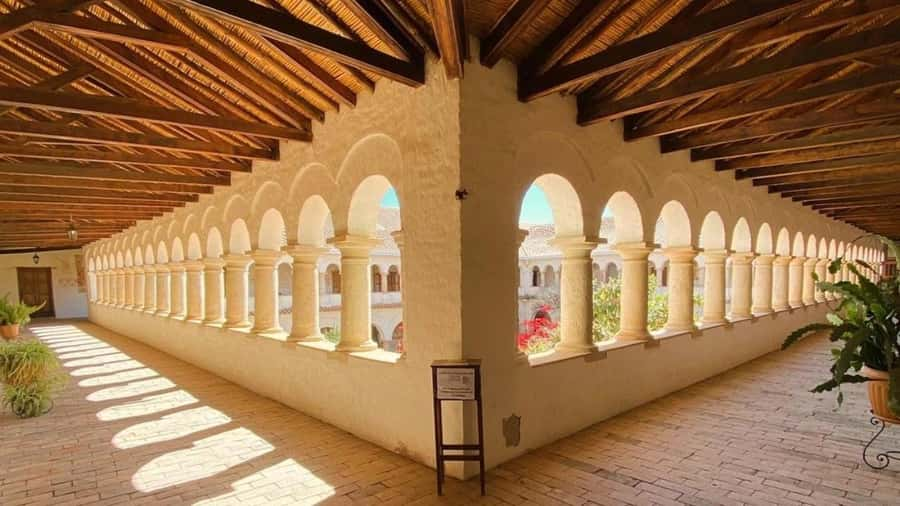
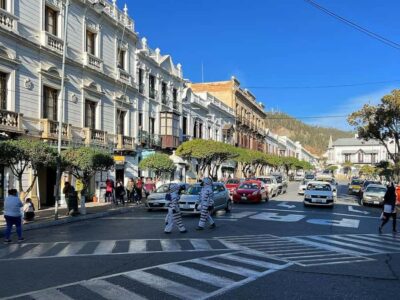
From the university, the route moves to Plaza 25 de Mayo, Sucre’s central square. Allow about 30 minutes to take in the surrounding buildings and hear how the plaza functions as the city’s social and political center.
This is a good point to pause and get your bearings. Sucre’s historic core gathers around this square, and the buildings around it help connect the city’s colonial past with its modern life. You may see locals using the plaza as a meeting place while visitors study the façades and monuments.
The next stop, Casa de la Libertad, gives the political story a clear focus. Bolivia’s Declaration of Independence was signed here on August 6, 1825. The building now functions as a museum, with objects and displays tied to the fight for independence.
The entrance is included, and the visit lasts about 30 minutes. That is enough time for the guide to explain the major events and point out the most important exhibits. If you want to read every display in detail, you may need to return independently. The tour is designed to give you context, not several hours of museum study.
I especially value this stop because Sucre’s title as the birthplace of Bolivia can otherwise feel like a slogan. Inside Casa de la Libertad, the claim becomes a specific event in a specific building. The university, the square, and the independence museum also follow a sensible order, taking you from education to public life and then to national history.
Plaza Pedro de Anzúrez and the shift toward local culture
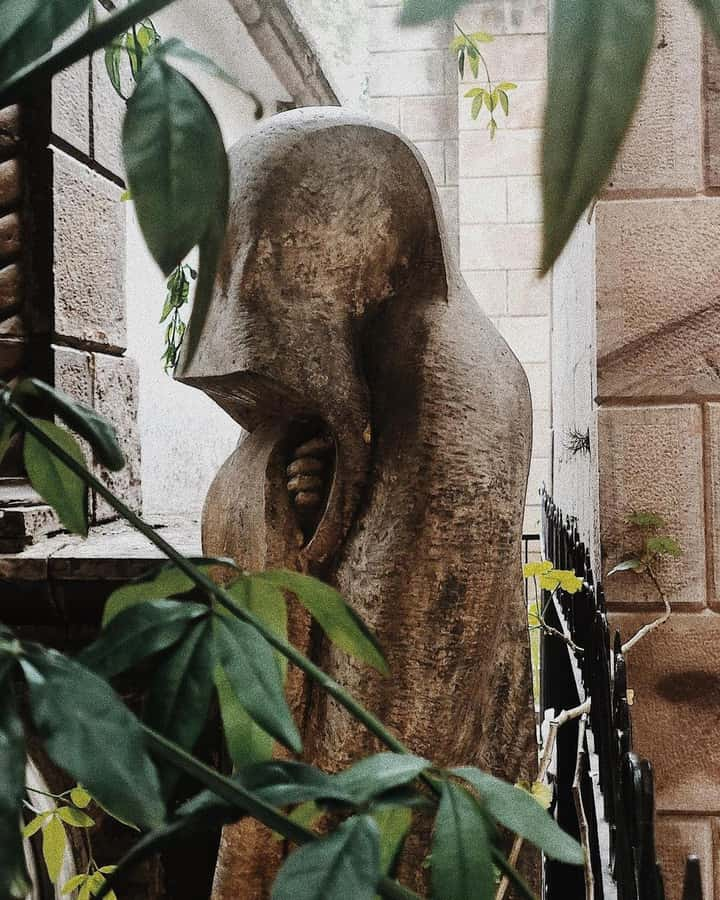
The route continues through Plaza Pedro de Anzúrez for about 30 minutes. This stop offers another view of the old center and gives the guide room to explain more of Sucre’s colonial development.
The schedule is full, so some portions of this visit may feel like a guided walk rather than a formal attraction. That is not necessarily a weakness. Sucre rewards careful looking, and moving between major sites lets you notice the streets, façades, courtyards, and small changes in the city’s architecture.
Wear shoes that can handle several hours on foot. The tour is not suitable for wheelchair users or people with mobility impairments, and the combination of walking, steps, uneven areas, and the full seven-hour duration should be taken seriously.
A few more trips around Bolivia worth a look
- Walking tour – A journey through the History of Santa Cruz
★ 4.8 · 61 reviews
ASUR and the skill of indigenous weaving
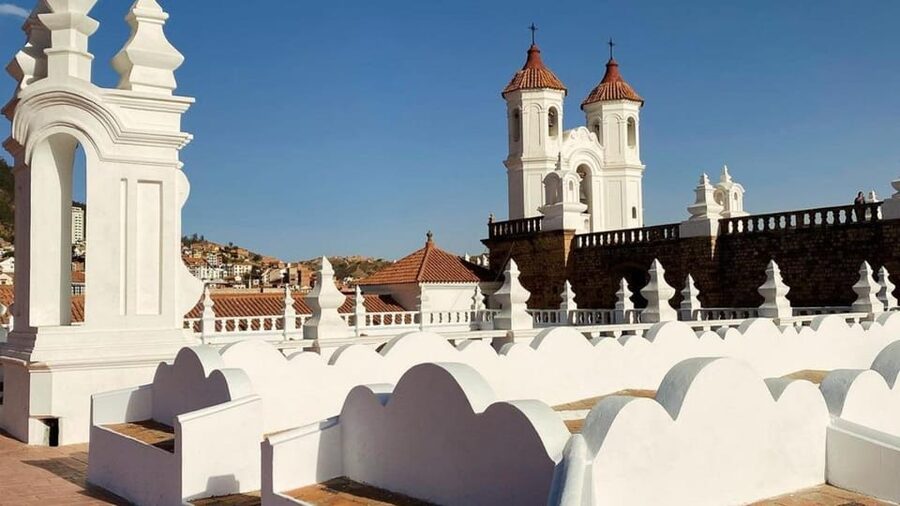
Museo ASUR changes the focus from national politics to indigenous culture. The museum occupies a beautifully preserved building and presents textiles and clothing from pre-colonial, colonial, and republican periods.
The visit lasts about 45 minutes and includes a guided explanation. You also get to see traditional weavers demonstrate their work in the museum gallery. This is one of the most useful parts of the day because it shows that textile traditions are not simply old objects behind glass. The designs and techniques continue through people who practice them.
Look closely at the textiles rather than rushing through them. Patterns, colors, and clothing styles carry information about community identity and time period. The guide can help you notice details that are easy to miss if you only take photographs.
ASUR is also a good counterweight to the colonial architecture elsewhere on the route. Much of Sucre’s center is presented through churches, mansions, universities, and independence leaders. The museum makes space for indigenous voices and craft traditions from the wider region.
Guereo Mansion and Calle de los Gatos
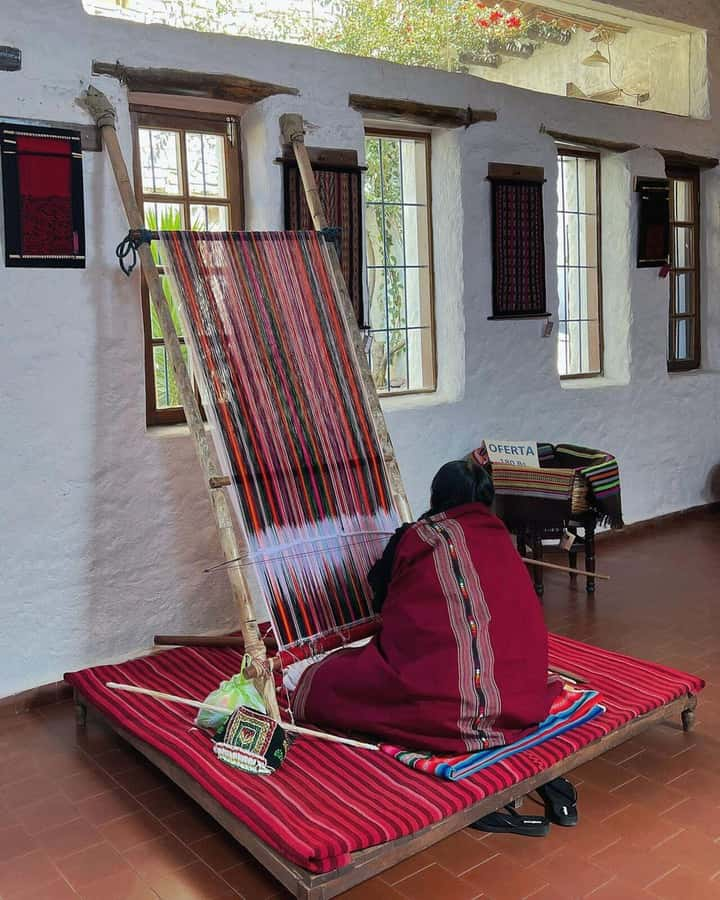
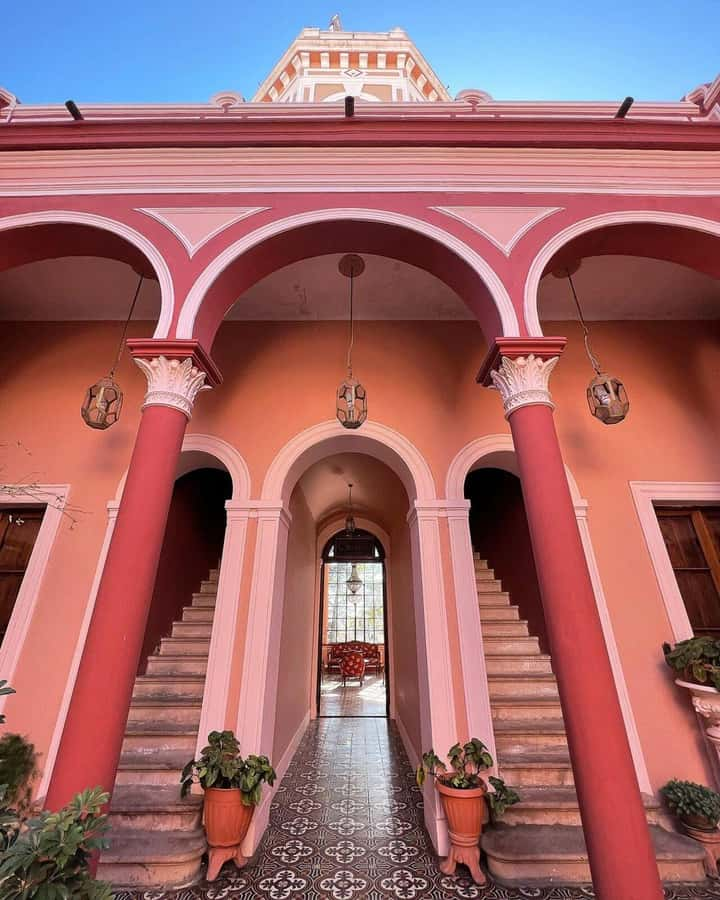
The Guereo Mansion follows with a 45-minute guided visit. This charming palace shows the decorative side of Sucre’s colonial era, with architectural details that contrast with the institutional buildings at the university and Casa de la Libertad.
The mansion is worth seeing as part of the larger pattern. Sucre is not only a city of official history. Its old homes, lanes, courtyards, and decorative details reveal how private life once fit into the colonial center.
Nearby, Calle de los Gatos takes about 15 minutes. This quaint street is a short stop, but it adds a pleasant change of scale after the mansion. You move from a large historic residence to a small lane with a more intimate old-Sucre feel.
Do not expect every stop to have the same weight. Casa de la Libertad and ASUR offer the strongest interpretive content, while Calle de los Gatos works more as a charming walk-through. That variety keeps the day from becoming a succession of similar museum rooms.
San Felipe Neri and the best city views
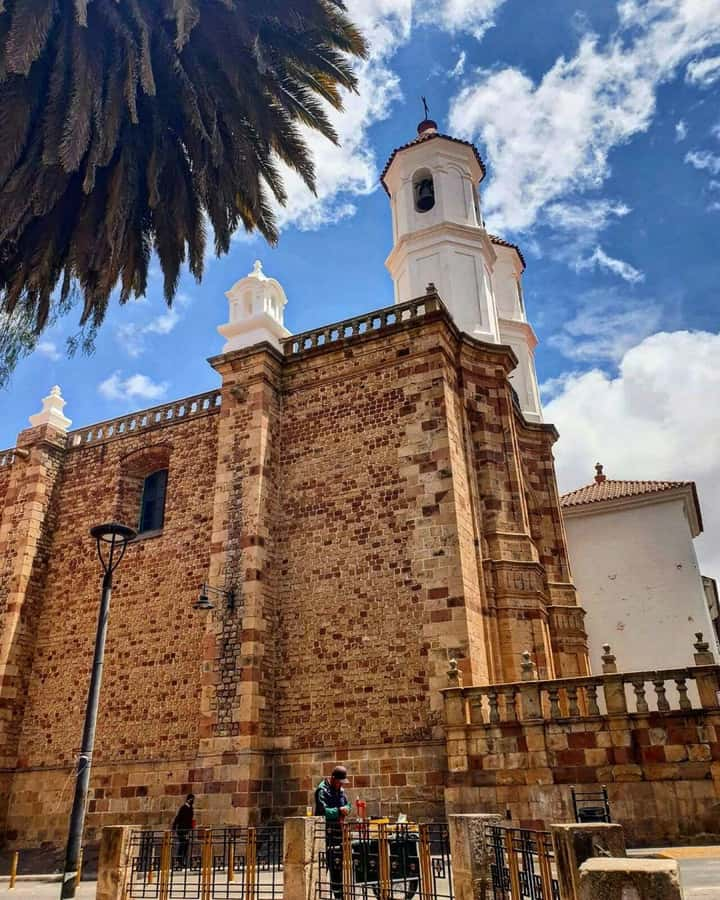
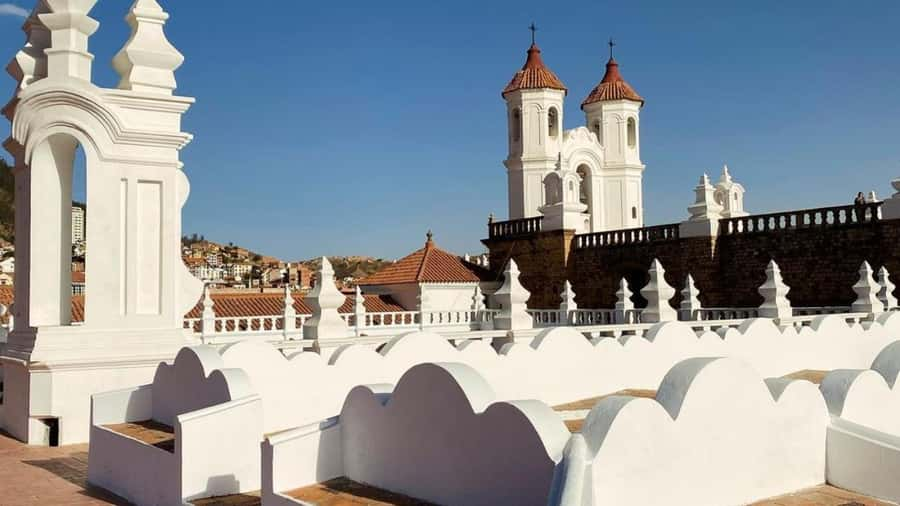
The day finishes at the Iglesia and Convento de San Felipe Neri, with about an hour for the visit. The convent is known for its arches, courtyards, colonial buildings, and rooftop terrace.
This is where the route pays off visually. From the terrace, you can look across Sucre’s white buildings and surrounding hills. The view is especially appealing late in the day, when the light softens and the city feels calmer.
The site is also a place for photographs, but bring a hat, water, and sunscreen for the outdoor portions. Sucre’s high-altitude sun can feel strong even when the air is cool. Comfortable shoes matter here too, since the tour has already covered much of the city on foot.
The visit ends in the central area, with the final point at Plaza 25 de Mayo. Your guide shares the exact afternoon meeting details during the day. That arrangement works well because the group does not need to return to the morning starting point.
What the $40 price includes
At $40 per person, this is good value if you want a guided introduction to Sucre rather than a simple walking route. The price includes the guide, traditional breakfast, public-bus transport, and admission to San Francisco Xavier, Casa de la Libertad, ASUR, and San Felipe Neri.
The included entrances make a real difference. Paying separately for several museums and historic buildings can complicate a full day, while this tour keeps the cost clear. Breakfast also removes one early meal decision, though you still need to budget for lunch and personal purchases.
The tradeoff is the size of the day. You are paying for coverage of many sites, not for long, unhurried time at each one. If you prefer to spend half a morning reading every museum panel, build your own route instead. If you want the main historical and cultural pieces arranged in a logical order, the price is reasonable.
The group is limited to 10 people. That is small enough for a guide to manage questions without turning the walk into a private tour. English and Spanish are available, but language assignment should be confirmed when you book. One recorded experience was guided in Spanish, so do not assume English unless it is clearly selected.
Who will enjoy this Sucre tour?
I would recommend this experience to first-time visitors who want Sucre’s major historic sites explained in one day. It suits people who enjoy walking, museums, architecture, local religious traditions, and cultural history in equal measure.
It is also useful if you have only a short stay in the city. The route covers the cemetery, university, central squares, independence museum, indigenous art, colonial residences, and convent views without requiring you to plan separate admissions or transport.
You should think twice if you have limited mobility, dislike public buses, or prefer a relaxed schedule with long café breaks. Seven hours is a substantial commitment. There is no listed lunch stop, so bring water and plan to eat afterward or carry a small snack if permitted.
Bring comfortable shoes, water, sunscreen, a hat, and a camera. Smoking is not allowed inside the buildings, and the cemetery and museums call for quiet behavior. Alcohol and drugs are not permitted.
Should you book this historic Sucre walk?
Book it if you want the city’s story connected across several settings: cemetery, university, independence museum, indigenous textile gallery, mansion, and convent terrace. The best parts are the thoughtful opening at the cemetery, the clear political context at Casa de la Libertad, the ASUR weaving visit, and the final views from San Felipe Neri.
Skip it if you want a short, easy stroll or a private vehicle from door to door. This is a full walking day, with public transport, stairs, sun, and several scheduled stops.
The guide can make a major difference. Gari, one guide identified for a recent booking, led an almost full-day visit and explained Bolivian and indigenous culture in detail. The experience was conducted in Spanish, so confirm your preferred language before paying. With a small group and a strong route, Jalq’a Tours offers a practical way to meet Sucre through both its official history and its living traditions.
FAQ
Where does the tour begin?
The tour begins at Plaza Oruro, in front of the old cemetery in Sucre.
Where does the tour finish?
The tour finishes at Plaza 25 de Mayo.
How long does the experience last?
The tour lasts seven hours.
What languages are available?
The live tour guide is available in English and Spanish.
Is breakfast included?
Yes. A traditional Bolivian breakfast near the old cemetery is included.
Is lunch included?
No. Lunch and personal expenses are not included.
Is public transportation included?
Yes. Transportation by public buses is included, including the approximately 15-minute ride after the cemetery visit.
Is the tour suitable for wheelchair users?
No. The experience is not suitable for wheelchair users or people with mobility impairments.
Just added around Bolivia
- Uyuni tour express from Sucre by bus (round trip)★ 4.2 · 4 reviews
- UYUNI SALT FLAT: SUNRISE & STARLIGHT EXPERIENCE★ 3.1 · 3 reviews
- Uyuni: Classic Uyuni Salt Flats Tour + Hotel Pickup★ 3.0 · 4 reviews
- Uyuni: Salar de Uyuni Traditional Tour+Sunset Tour★ 4.8 · 3 reviews
- UYUNI SALT FLAT: SUNSET & STARLIGHT EXPERIENCE★ 5.0 · 3 reviews
- Uyuni: Salar de Uyuni and San Pedro de Atacama 3-Day Tour★ 4.2 · 4 reviews
- Uyuni: Full-day tour, Salt flats and Sunset experience★ 4.8 · 5 reviews
- Uyuni: 3-Days Salt Flats and Desert Adventure Tour with Food★ 3.8 · 4 reviews
Sucre and Maragua Trips, compared.
Walking tour in Sucre: History, Culture & Amazing Views
Read our review →
Free Walking tour (History, culture and traditions)
Read our review →
Sunrise, the Crater de Maragua and old Cave Paintings
Read our review →
2 days trek in Inca Trails and the Crater de Maragua
Read our review →
Uyuni tour express from Sucre by bus (round trip)
Read our review →Browse the lists this tour appears in