
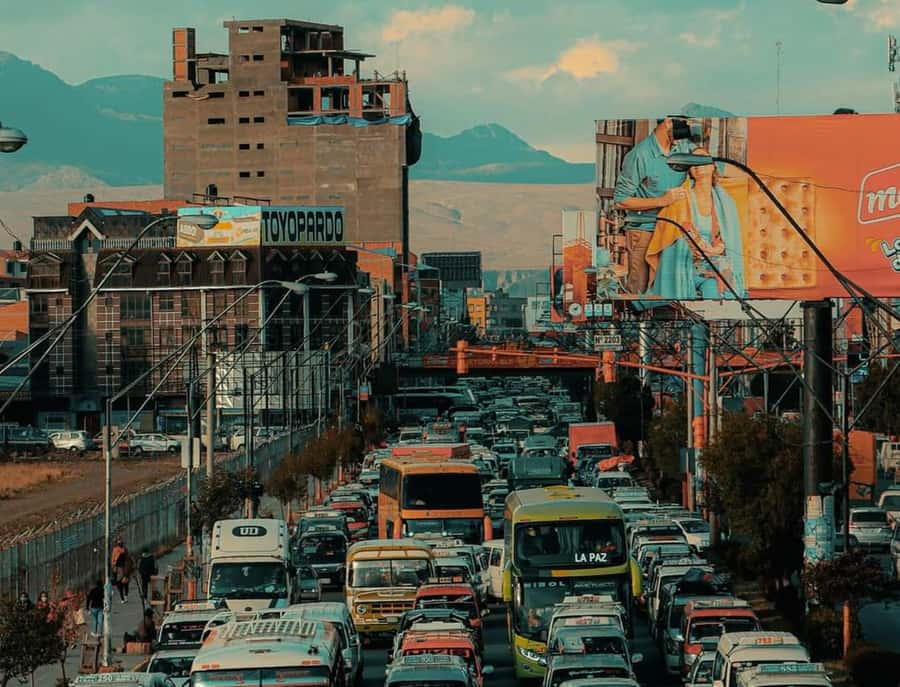
Reviewed · LA PAZ CITY TOURS
From La Paz: El Alto and Cholets Guided Day Trip
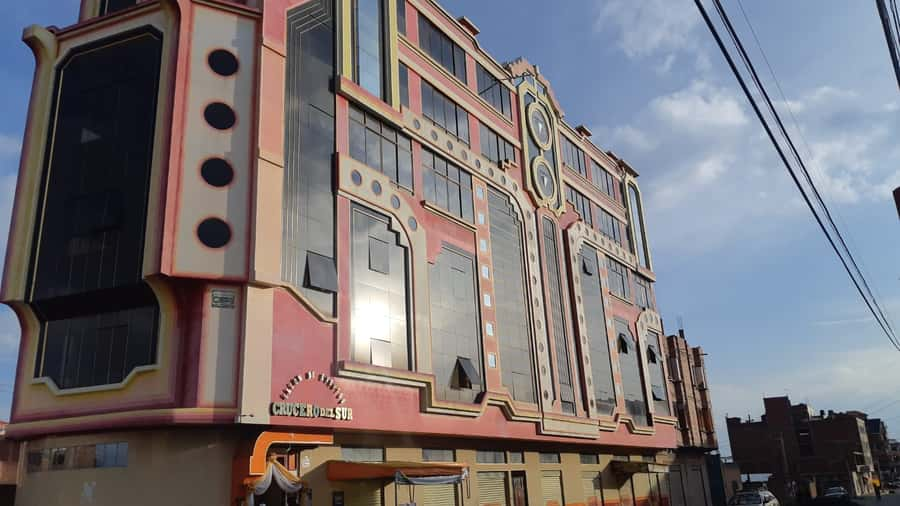
El Alto’s cholets are the main event here: giant, colorful buildings that mix Andean patterns with flashy modern design. You ride La Paz’s cable car above the city, then see these unusual homes up close, with a chance to enter two of them. I like the public-transport format because it connects the sights to everyday city life, not just a tour vehicle.
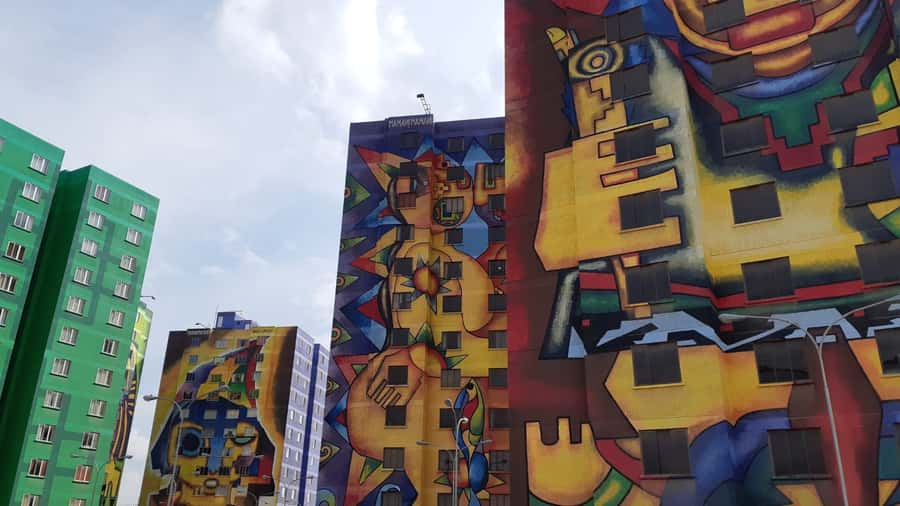
I also like the stop at the Wiphala complex, where apartment buildings carry huge designs by Mamani Mamani. The small group, limited to nine people, should make questions easier. The main caution is access: a cholet may be closed, and one reported tour could not get inside any. Delays have also occurred, so keep your schedule loose.
Key points to know before booking
- Cable car views from La Paz to El Alto: The ride gives you a clear look at the steep city and its striking upper-city architecture.
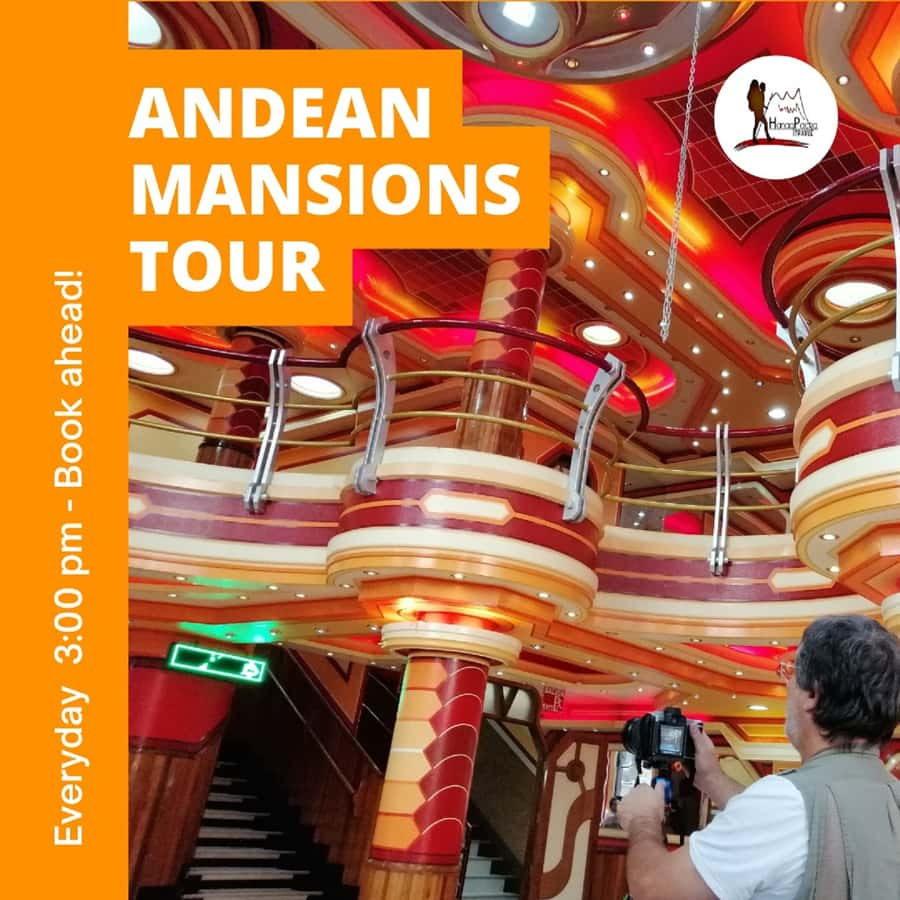
- Two possible cholet interiors: The plan includes visits inside two colorful homes, but entry depends on which buildings are open that day.
- Andean design with a modern twist: Your guide explains why cholets matter in Bolivian culture and how their bold appearance reflects success and identity.
- Mamani Mamani’s large-scale art: The Wiphala complex offers a strong photo stop, with apartment exteriors decorated in indigenous-inspired designs.
- Public transportation is part of the experience: You travel from San Francisco Church to the cable car using city transport rather than private hotel pickup.
- A short, affordable outing: At $30 for three hours, the tour packs in transportation, entry fees, and a bilingual guide, but the schedule can feel tight if delays appear.
Why El Alto’s cholets are worth seeing
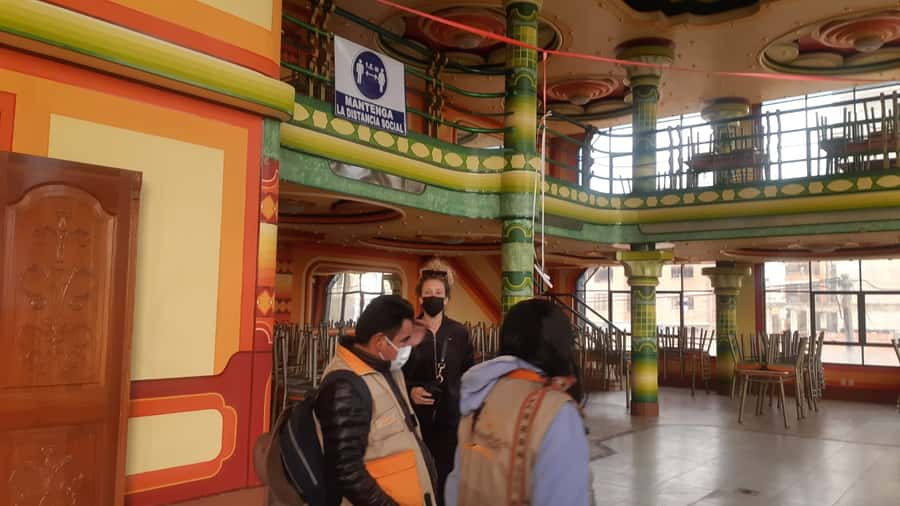
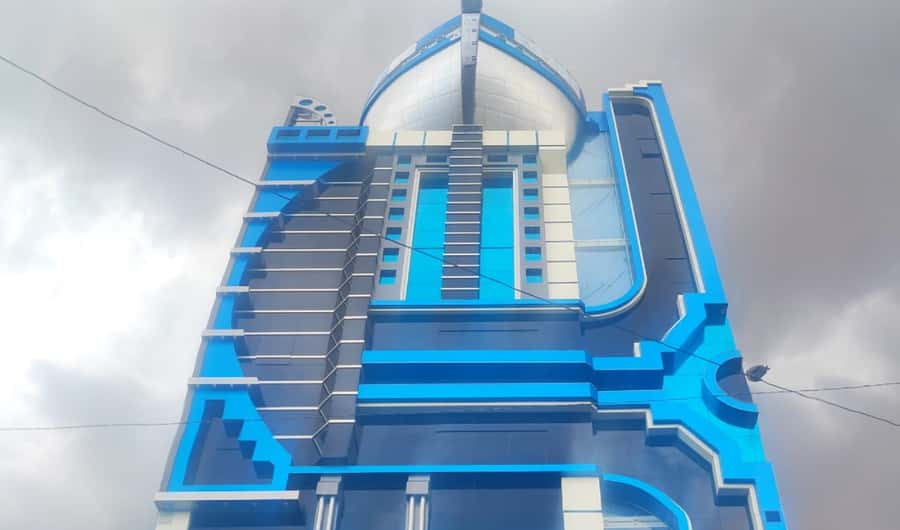
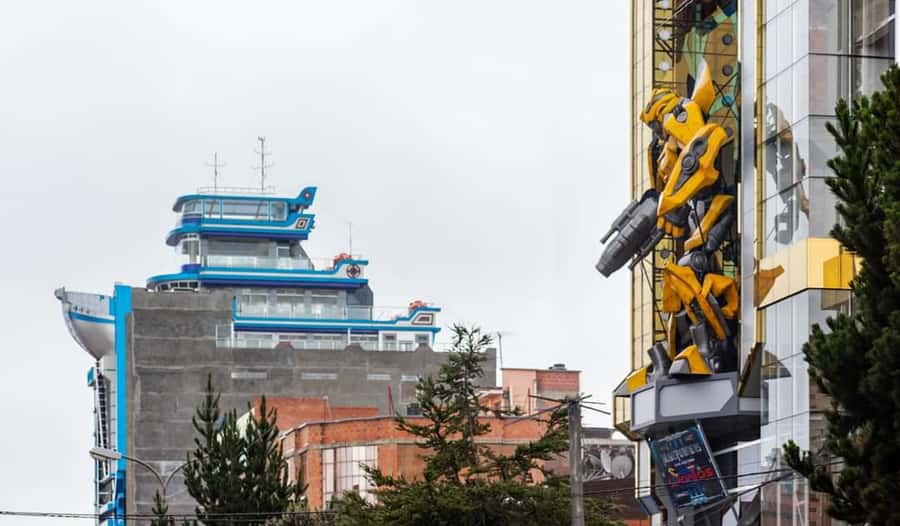
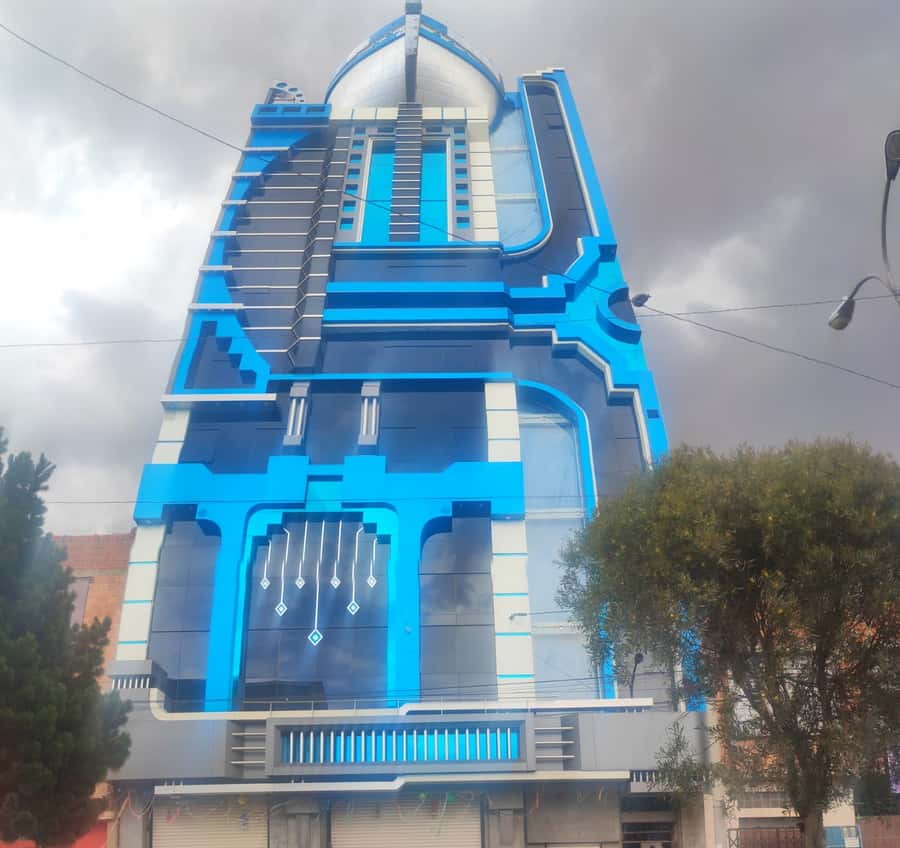
This tour is really about reading a city through its buildings. A cholet is not simply a brightly painted house. It is a bold architectural style that developed in Bolivia, combining Andean visual ideas with large, modern structures and signs of private success.
You will usually see these buildings from the outside first. Their colors, geometric forms, and oversized decoration are made to catch the eye. The style can feel playful, extravagant, and slightly startling beside more ordinary streets. That contrast is part of the point.
Your guide explains the social meaning behind the style. The tour description calls cholets a revolutionary Andean form of architecture, and that framing matters. You are not just collecting unusual photos. You are learning how local identity, ambition, and design meet in El Alto.
I especially like that the experience does not treat the buildings as a quick photo backdrop. The guide is meant to explain their place in Bolivian culture, and past guests have singled out guides such as Abraham for giving useful background on El Alto and cholets. Another guide was praised for explaining history and traditions in a calm, friendly way.
Still, keep expectations realistic. The exact cholets available can change. Entry into two buildings is offered as a possibility, not an absolute guarantee. If a property is closed, the tour may become mainly an exterior architecture walk, as happened on one outing.
More city walks and cable car rides in La Paz
- La Paz and El Alto: Cable Car Rides and Walking Tour
★ 4.8 · 790 reviews - La Paz: Private City Tour with Cable Car & Moon Valley Visit
★ 4.9 · 508 reviews - La Paz: Cable Car, Cemetery, Shaman, and El Alto Tour
★ 4.7 · 218 reviews
Meeting at San Francisco Church in La Paz
You meet at the main door of San Francisco Church in La Paz. Look for a guide wearing an orange and beige vest with the HanaqPacha Travel logo on the back.
This location is central and easy to identify, but the tour does not include hotel pickup. You need to reach the church on your own and be ready to leave at the stated start time. Since public transportation begins soon after the meeting, arriving early is sensible.
From the church, you take public transportation to the central cable car station. That choice keeps the tour connected to daily life in La Paz, though it also means the trip is less controlled than a private vehicle outing. Crowds, waiting time, and traffic can affect the pace.
One report described a guide arriving 20 minutes late, followed by a wait of more than 30 minutes for a taxi later in the outing. That appears to be a risk rather than the normal plan, but it is worth keeping in mind if you have a flight, museum booking, or other fixed appointment afterward. The scheduled length is three hours, yet transport delays can stretch it.
Riding the cable car above La Paz
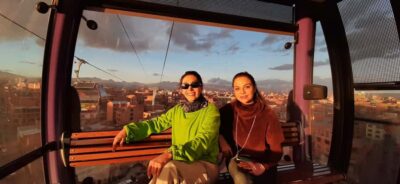
The cable car ride is one of the clearest pleasures of the tour. As you climb from La Paz toward El Alto, you get a broad view over the crowded city and its steep urban setting.
This is more than a simple transfer. The cable car lets you see the relationship between La Paz and El Alto from above, with buildings spreading across the hills and the upper city opening out ahead. It is also a practical form of public transport, so you are experiencing one of the city’s most useful systems rather than passing through in a sealed tour van.
Bring sunglasses and a hat. The ride and later walks take place outdoors, and the high-altitude sun can be strong. Comfortable clothes are also recommended. You should leave large bags and luggage behind, since they are not allowed on this activity.
The cable car portion may appeal even if you already know little about architecture. One participant specifically valued using the cable car system, and it gives the outing a strong sense of place before the cholet visits begin.
Seeing El Alto from street level
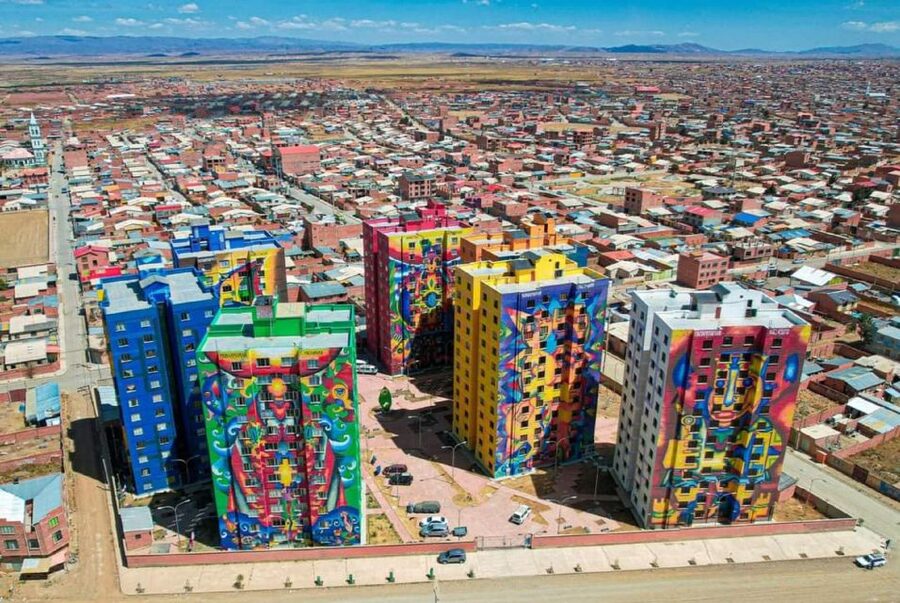
Once you reach El Alto, the tour shifts from broad views to close observation. Your guide points out the architecture and explains what makes cholets different from ordinary apartment or family buildings.
The exteriors are the safest part of the experience. You can admire the colors, shapes, and Andean motifs even if an interior visit is unavailable. Bring a phone or camera if you like taking architectural photos, since the buildings are designed to be seen and remembered.
This is a good setting for a guide who explains rather than simply points. Ask about the designs, the purpose of the buildings, and how cholets connect with local culture. The activity is small, with no more than nine people, so you should have a better chance to ask questions than on a large coach tour.
The pace may feel brisk. The entire experience lasts about three hours, including the trip from the meeting point, the cable car, time in El Alto, the cholets, and the Wiphala complex. If transport runs late, the time available at each stop can shrink.
A few more trips around La Paz worth a look
- La Paz: Full Day Trip to Copacabana and Isla del Sol
★ 4.5 · 400 reviews - From La Paz: 4-Day Trip to San Pedro de Atacama w/Salt Flats
★ 4.2 · 109 reviews - From La Paz: Day Trip to Chacaltaya and Moon Valley
★ 4.4 · 65 reviews - Private Tiwanaku and Titicaca Day Trip from La Paz
★ 4.5 · 62 reviews
Entering two colorful cholet homes
The chance to go inside two cholets is what gives this outing extra value. Exterior photos show the public face of the style, while an interior visit can help you understand how the buildings use color and decoration beyond the street frontage.
The supplied plan describes the interiors as vividly colorful spaces. You may get a closer look at the rooms and design choices, not just the facade. That makes the tour more than a ride and photo stop.
But this is also the least certain part. The buildings are private properties, and the guide may not be able to enter them on a particular day. One participant enjoyed the Mamani Mamani stop but could not visit the inside of a cholet because none was open. That person also felt the cost was not worthwhile under those conditions.
I would book this tour if you can accept that possibility. Think of the interior visits as a valuable bonus rather than the only reason to go. If both are open, $30 is a fair price because transportation, cable car tickets, entrance fees, and a bilingual guide are included. If neither is open, the value depends on how much you care about the cable car, exterior buildings, and cultural explanation.
The Wiphala complex and Mamani Mamani’s murals
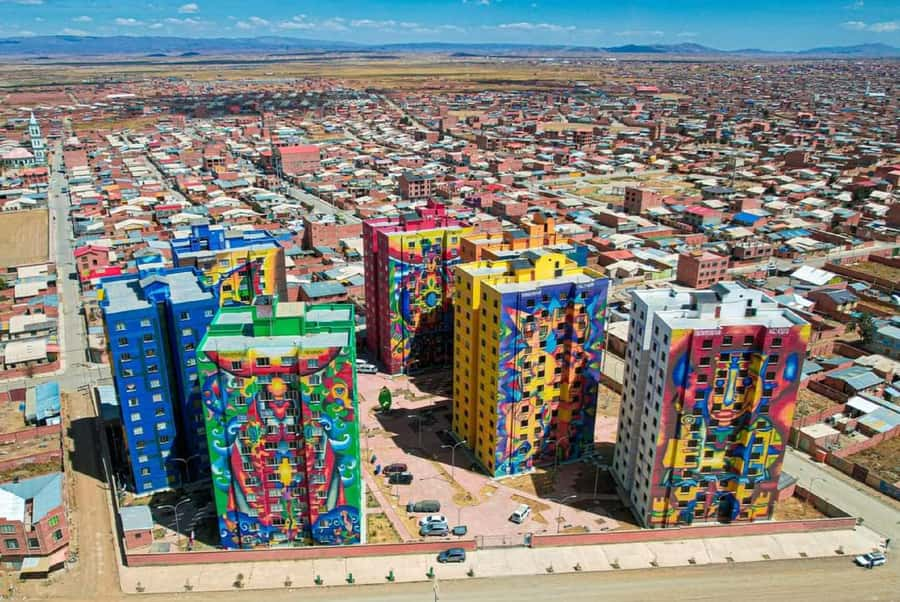
The Wiphala complex provides a different architectural view. Here, you see apartment buildings decorated on the outside with huge paintings by Mamani Mamani, an artist known for indigenous designs and strong colors.
This stop helps widen the story. The tour is not only about privately built cholets. It also shows how indigenous visual language can appear across larger urban buildings. The scale of the paintings should make this one of the easiest places to appreciate from the street.
You will not be visiting a museum or gallery here. The attraction is the exterior of the apartment buildings, so the stop is visual and photographic. If you enjoy public art, bold patterns, or unusual city design, this may be the most memorable section of the afternoon.
I would save some phone battery for this part. The large painted surfaces are made for photos, and you can compare their designs with the cholets seen earlier. Your guide can also provide context about Mamani Mamani’s use of indigenous forms.
What the $30 price really covers
At $30 per person, this is a reasonably priced small-group outing if the advertised elements come together. Your fee includes cable car tickets, public transportation, entrance fees, and a bilingual guide in English or Spanish.
That package matters because the cable car and city transfers would otherwise require separate planning. You also get a local guide to explain the architecture, rather than trying to decode it from photographs.
The value is less certain if you mainly want guaranteed indoor access. The tour cannot promise that every cholet will be open, and the short schedule leaves less room to recover from delays. A disappointing day could still include the cable car and Wiphala complex, but it may not feel like a full match for your expectations.
Food and drinks are not included. The experience lasts only three hours, so this is easy to pair with another activity, but do not expect a meal stop or a long break. Since hotel pickup and drop-off are excluded, include your own transport to San Francisco Church when judging the total cost.
The reserve-now, pay-later option and free cancellation up to 24 hours before departure make booking less risky. Those policies are useful if your La Paz plans are still shifting, but they do not remove the practical need to allow extra time after the tour.
Who will enjoy this short La Paz outing
I would recommend it most strongly to you if you like architecture, public art, urban photography, and guided cultural context. It is also a good fit if you want to see El Alto without arranging the cable car and local transport yourself.
You should be comfortable with public transportation and outdoor time. This is not a private sightseeing drive, and the route may include waiting or changes in pace. Wear comfortable clothes, bring sunglasses and a hat, and avoid taking luggage or a large bag.
The activity is not suitable for people with altitude sickness. La Paz and El Alto are both high-altitude destinations, and you should take that warning seriously. If you are already feeling unwell at altitude, a three-hour outing with transport and walking is not the right choice.
A small group of up to nine is another plus. You are more likely to hear the guide and ask about details without competing with a busload of people. Abraham has been specifically praised for his explanation of El Alto and cholets, though guide assignments can vary.
Is the timing reliable?
The official duration is three hours, which is short enough to fit into a busy La Paz itinerary. In a smooth run, the format is efficient: meet at San Francisco Church, use public transport to reach the cable car, ride to El Alto, visit cholets, see the Wiphala complex, and return to the meeting point.
The catch is that several transport links are involved. Public transport, the cable car, and possibly a taxi or another transfer can all affect the schedule. One outing ran late because of a delayed guide and a long wait for transport.
I would not book this immediately before an airport transfer, long-distance bus, or reservation that cannot be changed. Give yourself a buffer after the tour. The experience provider is HanaqPacha Travel, and the tour runs with live English or Spanish guidance, but the exact pace can depend on the day.
Should you book the El Alto cholets tour?
Book it if you want an affordable, compact introduction to El Alto’s architecture and you value the cable car ride as much as the cholet interiors. The Wiphala complex and Mamani Mamani murals add a second visual theme, while the small group and bilingual guide make the outing more personal than a simple transport ride.
I would hesitate only if guaranteed indoor access is essential, or if you have a hard appointment soon afterward. The most useful mindset is to see the two interior visits as a possibility, not a promise.
For $30, the tour offers solid value when the guide is engaged, transport stays on schedule, and at least some interior access is available. It is a practical choice for curious visitors who want to see a less familiar side of the La Paz area without spending a full day on it.
FAQ
Where does the tour meet?
You meet at the main door of San Francisco Church in La Paz. The guide wears an orange and beige vest with the HanaqPacha Travel logo on the back.
How long does the tour last?
The scheduled duration is three hours.
How much does the tour cost?
The listed price is $30 per person.
What languages are available?
The live guide service is available in English and Spanish.
Are cable car tickets included?
Yes. Cable car tickets, public transportation, entrance fees, and a bilingual guide are included.
Can I go inside the cholets?
The tour offers the chance to visit two cholets inside, but access depends on whether the buildings are open during your visit.
Is hotel pickup included?
No. You must make your own way to San Francisco Church, and hotel pickup and drop-off are not included.
What should I bring?
Wear comfortable clothes and bring sunglasses and a hat. Luggage and large bags are not allowed.
Just added around La Paz
- Private Tour of Tiwanaku Ruins from La Paz★ 5.0 · 3 reviews
- From La Paz: Lake Titicaca and Copacabana Private Tour★ 5.0 · 5 reviews
- Private Tiwanaku and Titicaca Day Trip from La Paz★ 4.8 · 3 reviews
- LA PAZ: GUIDED TOUR CHACALTAYA + VALLEY OF THE MOON★ 3.6 · 3 reviews
- La Paz: Uyuni tour ending in Atacama Chile by bus.★ 3.9 · 3 reviews
- La Paz: The Feminist Tour★ 5.0 · 3 reviews
- Titicaca Lake: Highlights Tour from La Paz by Bus★ 4.0 · 3 reviews
- From La Paz: Trip to Uyuni Salt Flats with Wine at Sunset★ 4.4 · 4 reviews
La Paz City Tours, compared.
La Paz and El Alto: Cable Car Rides and Walking Tour
Read our review →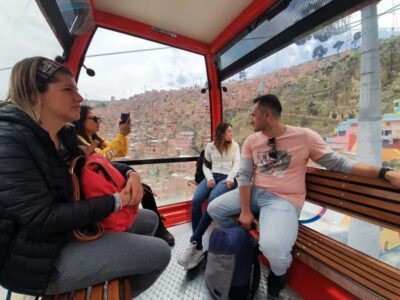

Private Salt Flat Full-Day Tour Including The Cemetery of Trains and Lunch from Uyuni
Read our review →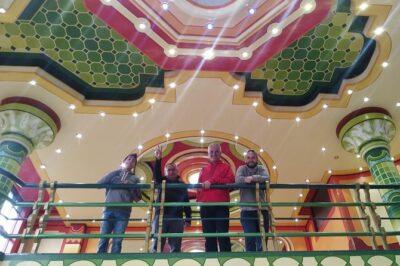
Cholet Tour – Andean Architecture and Culture – El Alto
Read our review →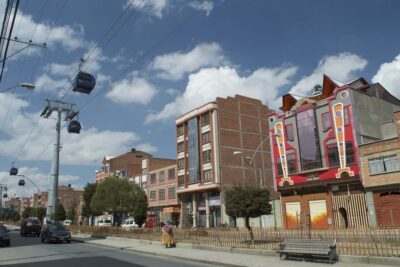

Private Vehicle & Guide. City Tour + Moon Valley
Read our review →Browse the lists this tour appears in