
Reviewed · WALKING TOURS
La Paz Half-Day Walking Tour
La Paz makes the most sense when someone explains the odd details around you: women’s hats, masked shoe shiners, street zebras, and dried llama fetuses at the Witches’ Market. This 150-minute walk links those everyday sights with the city’s political and cultural story.
I like the small price and strong local storytelling. I also like that guides such as Denise, Max, Daniel, Matt, and Rem have made the tour friendly, funny, and easy to follow. The main drawback is physical: La Paz sits at high altitude, and this is still a walking tour with some uphill streets, even when the guide keeps the pace gentle.
Key points to know before you book
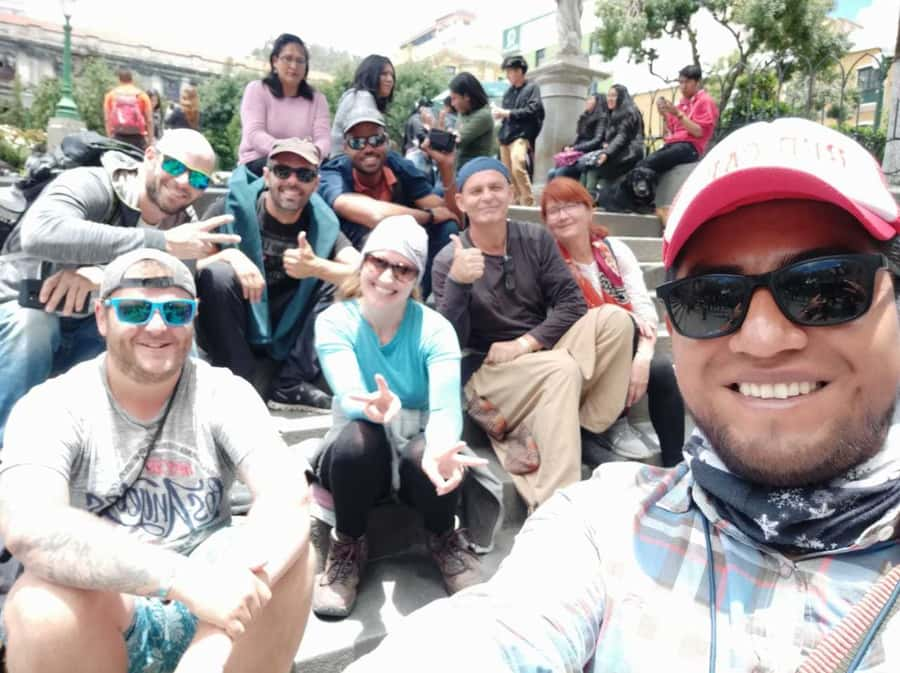
- La Paz explained through everyday customs: Learn why cholitas wear distinctive hats, why shoe shiners cover their faces, and what the street zebras are doing.
- Plaza Murillo’s major monuments: See the Presidential Palace, National Congress, Cathedral of La Paz, and other central landmarks.
- A guided visit to the Witches’ Market: Get context for Andean beliefs, potions, lotions, talismans, and unusual offerings.
- Excellent value at $3: The fee covers a 2 to 2.5 hour English-language walking tour, though you should carry cash if you want to offer a tip.
- Altitude-aware pacing: Guides have walked slowly and kept routes as flat as possible for people adjusting to La Paz.
- Not for every body: The tour is not suitable for wheelchair users or people with mobility impairments.
Why this La Paz walk is worth your first afternoon

La Paz is not a city you understand by checking off monuments alone. Its character is in the details: the bowler hats worn by many cholita women, the masked men polishing shoes on busy streets, the odd sight of zebra-costumed workers helping people cross roads, and the political posters and protests that have shaped daily life.
That makes this tour a useful introduction. You get the basic sights, but the guide’s explanations are the real point. Several guides, including Denise, Max, Daniel, Matt, and Rem, have a reputation for mixing facts with stories and humor. The tone is informal rather than academic, which helps when you are still getting used to the city.
I would book it early in a La Paz visit. After two hours with a local guide, you will have a better sense of which areas you want to revisit, how the center fits together, and what you are looking at when you pass a market stall or a traditional outfit.
The route lasts about 150 minutes, or two to two and a half hours. That is long enough to build a useful picture of central La Paz without taking over your whole day. It also leaves room for a later cable-car ride, museum visit, meal, or independent walk.
A few more trips around La Paz worth a look
- La Paz and El Alto: Cable Car Rides and Walking Tour
★ 4.8 · 790 reviews - Walking city tour La Paz
★ 3.9 · 25 reviews - La Paz: Street Food Walking Tour
★ 3.3 · 6 reviews
Meeting the red-cap guide at Plaza San Pedro
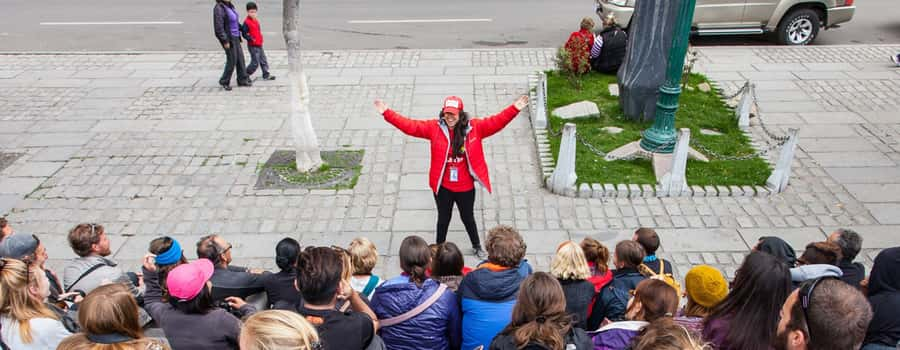
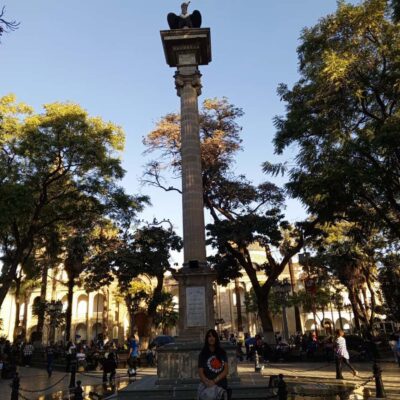
The meeting point is in the center of Plaza San Pedro, also called Plaza Sucre, near the statue on Cañada Strongest. Look for the guide wearing a red cap and an I heart La Paz T-shirt.
This detail matters because La Paz has plenty of people, traffic, signs, and sudden changes in level. Arrive with the meeting point saved on your phone and allow enough time to locate the statue. One visitor found the guide easy to identify, but a clear landmark is still useful in a busy city center.
The experience is led in English. The guide roster has included Denise, Max, Daniel, Matt, Rem or Remberto, Amara, Juan, and Maru. You cannot necessarily request a particular person, but the repeated praise for different guides points to a team with a clear focus on storytelling and local context.
Group size can vary. One afternoon group had only four people, while another was large but still easy to follow. A small group usually gives you more room to ask questions. In a larger group, stay close to the red cap and listen carefully when the guide stops near traffic or a crowded market.
First lessons: cholitas, shoe shiners, and street zebras
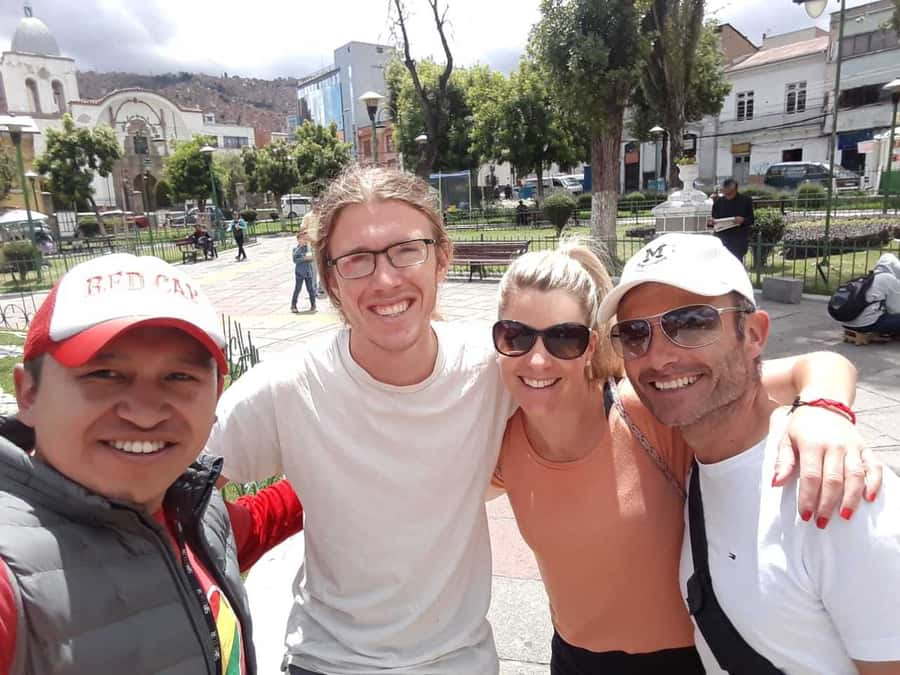
The opening part of the walk helps you read La Paz as you move through it. Instead of treating local customs as colorful background, the guide explains what they mean and why they remain part of public life.
You will learn about the hats worn by cholita women, including their place in clothing and identity. The tour does not treat traditional dress as a photo prop. It gives you a reason to notice the details respectfully and understand that clothing can carry social and cultural meaning.
You will also hear why many shoe shiners wear masks. The explanation connects a simple street service with dignity, privacy, and the way people navigate public work. That is exactly the sort of detail I value in a walking tour. It turns a passing sight into a question about city life.
Then there are the zebras. La Paz is famous for people in zebra costumes working in the streets, and the tour explains why they are there. This is a memorable detail for children and adults alike, but the point is not just novelty. It shows how the city uses unusual public figures to shape behavior and make its streets more approachable.
These early explanations give you a practical advantage. Once the tour ends, you can recognize more of what you see instead of treating the center as a blur of markets, buses, stone buildings, and high-altitude sunlight.
Plaza Murillo and the political heart of La Paz
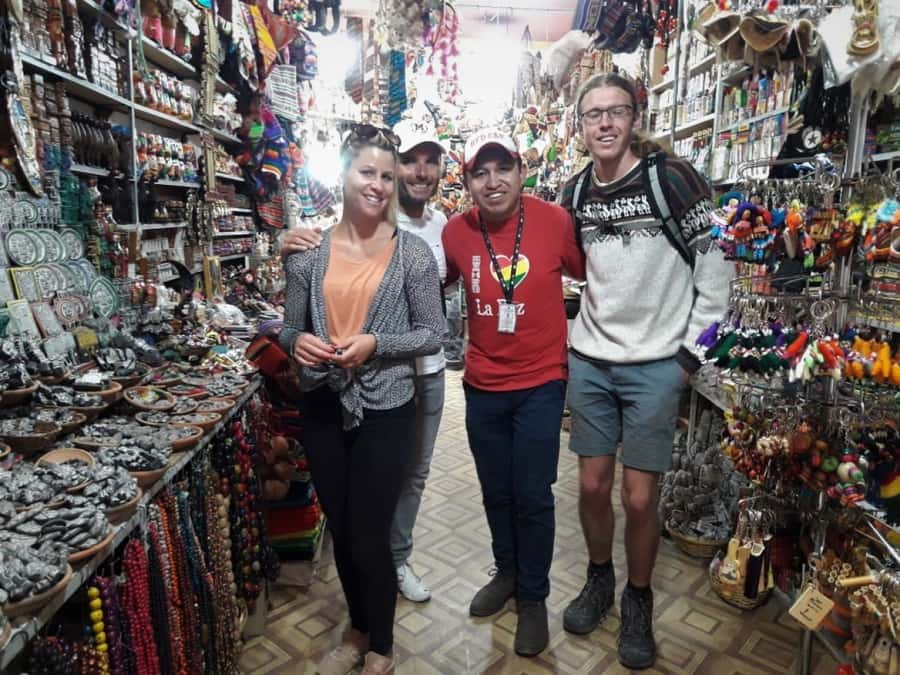
Plaza Murillo is the tour’s main architectural stop. Here you can admire the Presidential Palace, the National Congress of Bolivia, the Cathedral of La Paz, and other historic monuments gathered around the square.
The value of stopping here is not only the view. The guide explains why La Paz has experienced so much political turmoil and how national politics has shaped the city. That context gives the buildings weight. A government palace is no longer just an impressive facade, and a public square becomes a place tied to demonstrations, power, and change.
The square also gives you a compact way to see several important buildings at once. If your time in La Paz is short, this is efficient sightseeing. You are not spending half a day moving between distant attractions, yet you still get a clear introduction to the civic center.
Do not expect a long interior visit or a formal architectural tour. The experience is a street-level overview, and the emphasis is on explanation rather than extended time inside monuments. One useful expectation to set is that the tour covers a limited number of major sights. Its strength is the stories attached to those sights, not the number of buildings.
The pace can be adjusted to the group. One guide slowed down for a participant having trouble with uphill walking at high altitude. Another group appreciated a route kept as flat as possible. Even so, Plaza Murillo does not remove the basic challenge of La Paz: you are walking in a city where altitude can make ordinary exertion feel harder.
Same base, a very different day:
- La Paz: Private City Tour with Cable Car & Moon Valley Visit
★ 4.9 · 508 reviews - La Paz: Full Day Trip to Copacabana and Isla del Sol
★ 4.5 · 400 reviews - La Paz: Mountain Bike Down the World’s Most Dangerous Road
★ 4.9 · 386 reviews - La Paz: Cholitas Wrestling Tickets and Transfer
★ 4.4 · 338 reviews
The Witches’ Market and Andean beliefs
The Witches’ Market is the most unusual stop and likely the one you will remember best. Stalls offer curious lotions, talismans, and potions, with products tied to the beliefs of the Andes.
A guide is especially useful here because the objects can look strange or confusing without context. You will hear about the beliefs behind the offerings and what kinds of items people may buy. The aim is not simply to point at unusual merchandise. It is to explain how Andean traditions continue to appear in a modern city.
This is a good place to ask questions, but keep your approach respectful. The market is not a theatrical display arranged for sightseeing. It is a place connected with local practice and commerce. A guide can help you understand what you are seeing without encouraging careless jokes or treating beliefs as a curiosity cabinet.
You may be tempted to buy something, which is why cash appears on the recommended packing list. The tour price does not include meals, drinks, or purchases at the market. I would bring small amounts of cash and decide what you want to buy only after you understand what the item represents.
The market also adds balance to the visit. Plaza Murillo shows official Bolivia, with its government buildings and national institutions. The Witches’ Market shows another side of the city, where spiritual beliefs, household concerns, and commerce meet in public.
A walking pace shaped by altitude
La Paz is high, and this matters more than the modest distance may suggest. The supplied guidance recommends comfortable shoes, a sun hat, sunscreen, rain gear, and cash. Those are sensible choices for a walk exposed to changing weather and strong sun.
The tour is not described as wheelchair accessible and is not suitable for people with mobility impairments. It is also not a good choice if uphill walking is likely to make you unwell. Several experiences were paced gently, but a slow walk is still a walk at altitude.
I would wear shoes with good grip and leave room in your schedule. Do not plan a demanding hike immediately afterward. If you are adjusting to La Paz, listen to your body and tell the guide if you need a slower pace or a short pause.
Rain gear deserves special attention. The tour runs outdoors, and the packing advice specifically includes protection from rain. A sun hat and sunscreen are just as useful, since the high-altitude sun can feel strong even when the air is cool.
The $3 price and what you really receive
At $3 per person, this is an unusually inexpensive way to get a city orientation. The fee covers a local English-speaking guide for roughly two and a half hours. You do not receive meals, drinks, transport, or admission to separate attractions, but the tour is built around public streets and squares, so the low cost still buys a useful amount of guidance.
I would think of the price as an introduction rather than a full sightseeing package. You are paying for access to a guide’s time, explanations, and route planning. The real value is learning how to interpret La Paz, not collecting included extras.
The low price also makes this easy to add to a short stay. If you only have a day or two, it can help you decide where to spend the rest of your time. If you are staying longer, it can give you the basic context before you explore alone.
Carry cash. Several people felt a tip was appropriate because of the time and effort the guide put into the experience. Tipping is not listed as an included or required charge, so treat it as your choice, based on the tour you receive and your budget.
You can reserve now and pay later, and cancellation is available up to 24 hours in advance for a full refund. Those terms are useful if your Bolivian itinerary is still shifting.
The guides make the difference
The strongest pattern across the tour is the quality of the guides’ delivery. Denise is repeatedly described as funny, energetic, friendly, and clear in English. Max is praised for his passion for La Paz and his ability to answer questions. Daniel is noted for keeping the tour both fun and informative.
Matt, Rem, Remberto, Amara, Juan, and Maru have also led memorable walks. That variety matters because the tour depends more on the person telling the story than on a long list of stops. A guide who can explain politics, culture, and tradition in plain English makes the city easier to grasp.
You should expect questions to be welcome. The experience is designed around explanations of local life, so ask when something puzzles you. Why are the hats shaped that way? Why do shoe shiners cover their faces? What is the meaning behind a particular market item? These questions are where the tour earns its keep.
The mood is generally light, but the subject matter is not always simple. Political turmoil, cultural identity, and spiritual practice need more than quick facts. The best guides balance humor with respect, giving you an enjoyable walk without flattening Bolivia into a collection of odd sights.
Who should book this walk
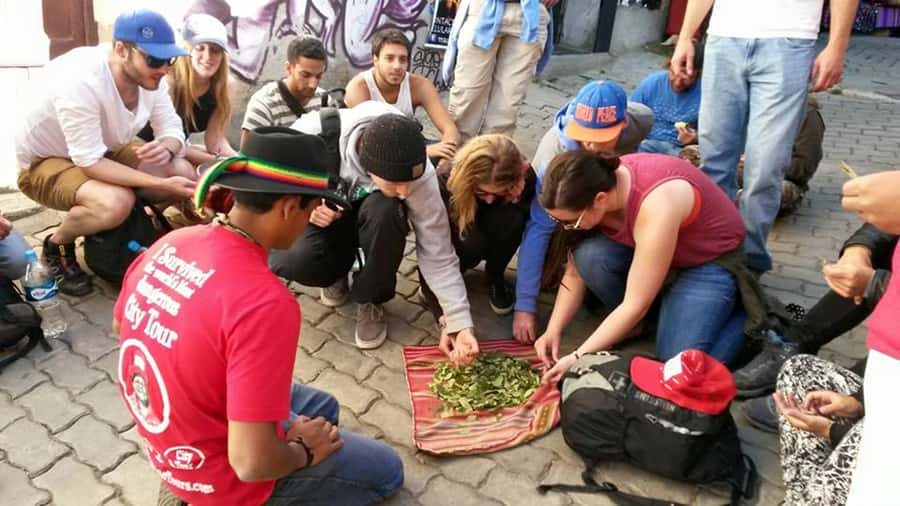
I would recommend it most strongly to first-time visitors, solo travelers who want a safe-feeling orientation, and anyone with limited time in La Paz. One person especially valued seeing the key areas with a guide before exploring independently. That is a smart use of the tour.
It also suits curious visitors who want context rather than a photo stop at every monument. The walk is a good match if you enjoy asking questions and learning how a city works.
You may want to skip it if you need step-free access, cannot manage a two-hour walk, or want a tour devoted mainly to interiors and formal art history. The route covers relatively few sights, and its appeal comes from the guide’s stories about each place.
Families may appreciate the zebras and unusual market displays, though the altitude and walking time still matter. If your group includes someone struggling with altitude, tell the guide early and keep your plans afterward flexible.
Should you book the La Paz Half-Day Walking Tour?
Yes, if you want a low-cost, English-language introduction to La Paz that explains the city’s people and traditions as well as its monuments. The Witches’ Market, Plaza Murillo, cholita clothing, masked shoe shiners, and street zebras give the walk plenty of memorable material.
Book it near the start of your stay, wear comfortable shoes, bring water and cash, and allow for the effects of altitude. I would not choose it for accessibility needs or for a packed sightseeing schedule that leaves no room for a measured pace.
At $3, the financial risk is tiny. The more important question is whether you want a walking orientation with stories, questions, and local perspective. If you do, this is a practical first look at La Paz.
FAQ
How long does the La Paz Half-Day Walking Tour last?
The tour lasts 150 minutes, or about two to two and a half hours.
What language is the tour conducted in?
The tour is conducted in English by a live local guide.
Where does the tour meet?
Meet in the center of Plaza San Pedro, also called Plaza Sucre, near the statue on Cañada Strongest in La Paz.
How do I identify the guide?
Look for the guide wearing a red cap and an I heart La Paz T-shirt.
What places are visited?
The tour visits Plaza Murillo, the Witches’ Market, and other central La Paz sights. Plaza Murillo includes views of the Presidential Palace, National Congress of Bolivia, Cathedral of La Paz, and other historic monuments.
What will I learn during the walk?
You will learn about La Paz’s history, culture, traditions, political turmoil, Andean beliefs, women’s hats, masked shoe shiners, and the street zebras.
Is food or drink included?
No. Meals and drinks are not included.
What should I bring?
Bring comfortable shoes, a sun hat, sunscreen, rain gear, and cash.
Is the tour suitable for wheelchair users?
No. The tour is not suitable for wheelchair users or people with mobility impairments.
Just added around La Paz
- Private Tour of Tiwanaku Ruins from La Paz★ 5.0 · 3 reviews
- From La Paz: Lake Titicaca and Copacabana Private Tour★ 5.0 · 5 reviews
- Private Tiwanaku and Titicaca Day Trip from La Paz★ 4.8 · 3 reviews
- La Paz: Uyuni tour ending in Atacama Chile by bus.★ 3.9 · 3 reviews
- LA PAZ: GUIDED TOUR CHACALTAYA + VALLEY OF THE MOON★ 3.6 · 3 reviews
- La Paz: The Feminist Tour★ 5.0 · 3 reviews
- Titicaca Lake: Highlights Tour from La Paz by Bus★ 4.0 · 3 reviews
- From La Paz: Trip to Uyuni Salt Flats with Wine at Sunset★ 4.4 · 4 reviews
Walking Tours, compared.
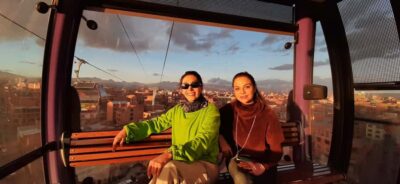
La Paz and El Alto: Cable Car Rides and Walking Tour
Read our review →
Walking tour in Sucre: History, Culture & Amazing Views
Read our review →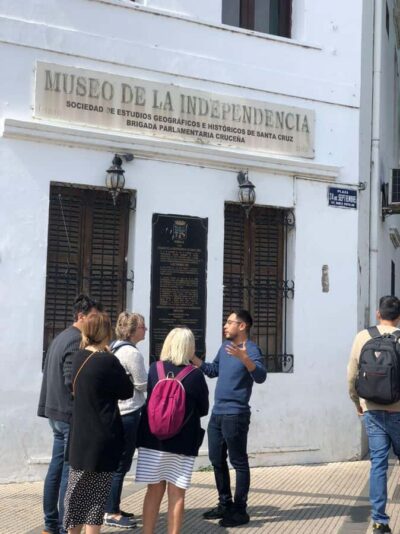
Walking tour – A journey through the History of Santa Cruz
Read our review →
Free Walking tour (History, culture and traditions)
Read our review →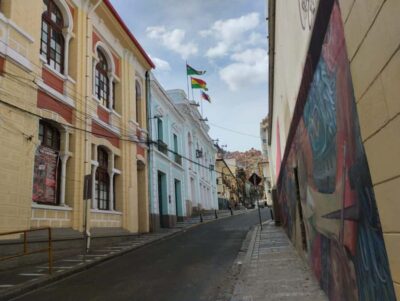

Browse the lists this tour appears in