
Reviewed · CYCLING TOURS
La Paz: Mountain Bike Down the World’s Most Dangerous Road
Death Road is not just a bike ride. It is a 64-kilometer plunge from icy La Cumbre at 4,700 meters to the warm Yungas, shifting from smooth asphalt and llama country to a narrow dirt track above steep drops. Gravity Bolivia adds a guide, mechanic, safety vehicle, meals, warm gear, and a finish at an animal refuge.
I especially like the excellent bikes and repeated brake checks, since good equipment matters on a rough downhill route. I also like the calm, friendly guiding reported from people such as Damian, Kenny, Noel, and Ruben. The main drawback is the long day: after lunch, the bus ride back to La Paz can take hours, with some riders arriving around 8:30 p.m.
Key points to know before you ride
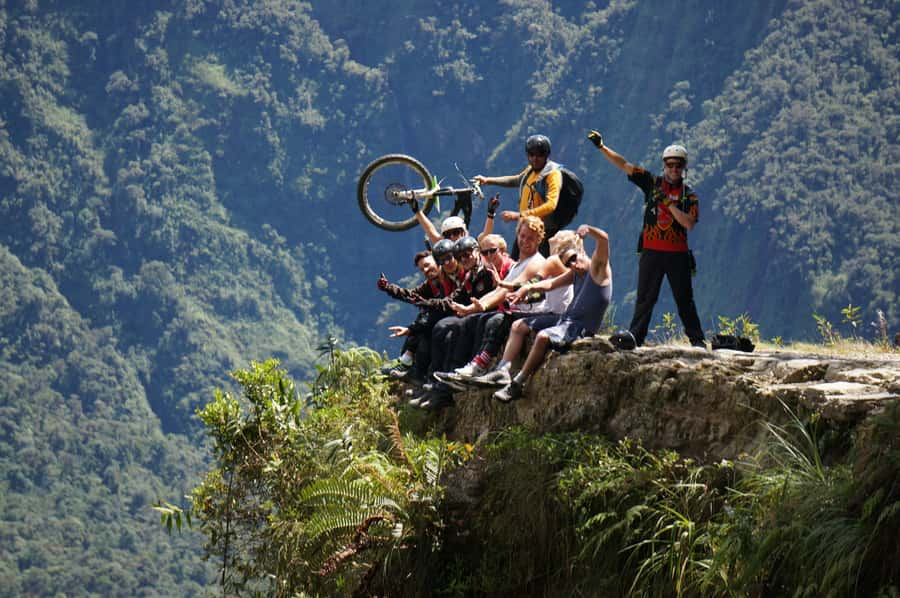
- The route changes dramatically: Start among snow-covered Andean peaks, then pass villages and grazing animals before entering misty jungle.
- A mechanic rides with the group: Each group has one guide, one mechanic, and a private safety vehicle.
- You set your own pace: This is not a race, and the bus follows you if you need a break or want to stop riding.
- The equipment is a major reason to pay more: You get a full-suspension downhill bike, hydraulic disc brakes, helmet, pads, gloves, and weather gear.
- The finish is more than a meal: La Senda Verde Animal Refuge includes lunch and access to rescued animals, including monkeys and an Andean spectacled bear.
- Expect real exposure and real effort: The road is managed carefully, but it remains a demanding ride on a steep mountain route.
From La Paz to La Cumbre at 4,700 meters
Your day begins outside Café del Mundo, with transportation from La Paz and breakfast included. The breakfast covers meat, eggs, ham and cheese, vegetarian, and vegan choices, which is useful before a long day of braking, steering, and hanging on.
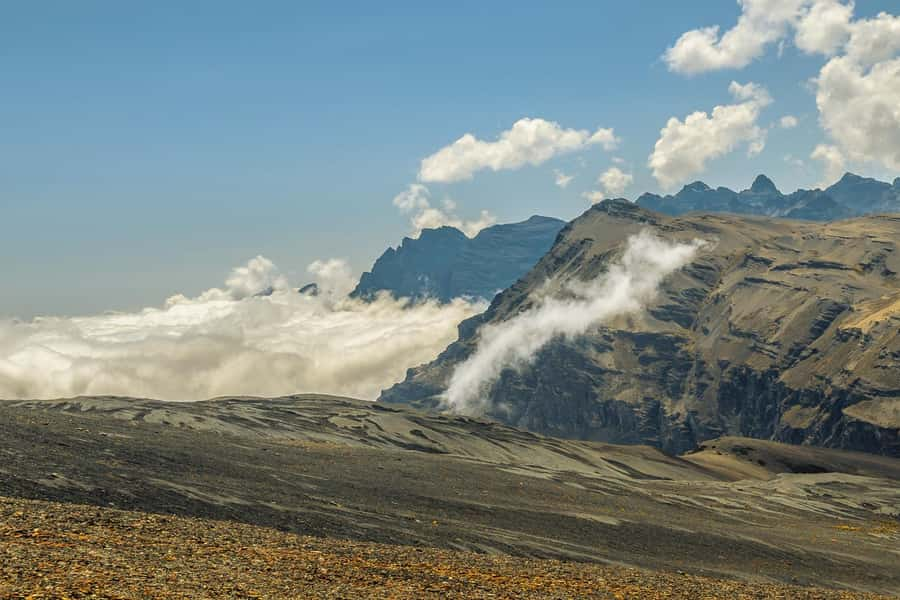
The drive climbs toward La Cumbre, where the air is thin and the surroundings are stark. At 4,700 meters, you can look across snow-covered Andean peaks before putting on your helmet and cold-weather gear. Bring warm clothes even if La Paz feels mild. The starting point can be cold, windy, wet, or snowy.
Your bike is a full-suspension downhill mountain bike with hydraulic disc brakes. You also receive a helmet, elbow and knee pads, gloves, and pants and a jacket for cold or wet weather. The exact bike setup matters here. A rough road with loose dirt and broken surfaces is not the place for a tired rental bike with weak brakes.
The group is limited to 14 people. That is small enough for the guide and mechanic to keep track of the riders, while still large enough to create a social day. English and Spanish guiding is available.
More Death Road rides from La Paz
- World’s Most Dangerous Road “Private” Mountain Biking Trip
★ 5.0 · 7 reviews - From La Paz: 3-Day Biking Tour Death Road & Uyuni Salt Flats
★ 4.7 · 4 reviews - From La Paz: The World’s Most Dangerous Road Biking Tour
★ 4.7 · 68 reviews
The first descent follows smooth asphalt
The first riding section is a fast, sweeping descent on asphalt. It gives you time to get comfortable with the bike before the rougher parts begin. You pass mountain peaks, tiny villages, llamas, and alpacas, with wide Andean views opening around the road.
This section is not simply a warm-up to be rushed through. The guide stops for photos, snacks, water, and explanations about the next part of the route. During these breaks, the mechanic checks the bikes, including tires and brakes. That regular attention is one of the most useful parts of the package because downhill riding can wear on equipment quickly.
You receive two snacks during the ride, unlimited water, and a buff to keep. The guides also take hundreds of photos during the day and upload them afterward. That lets you focus on riding instead of trying to hold a phone while moving along a rough road.
The route drops steadily and the air begins to change. The bare, cold high-altitude setting gives way to greener slopes and taller cliff faces. You will see dramatic drops beside the road, but the early asphalt section usually gives you room to settle into the bike and your own comfort level.
Entering the narrow dirt road above the Yungas
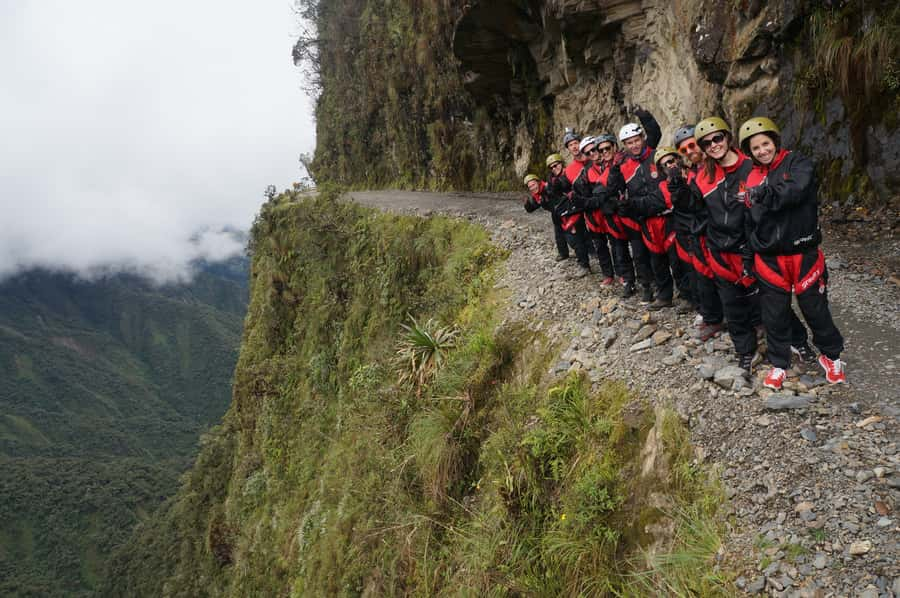
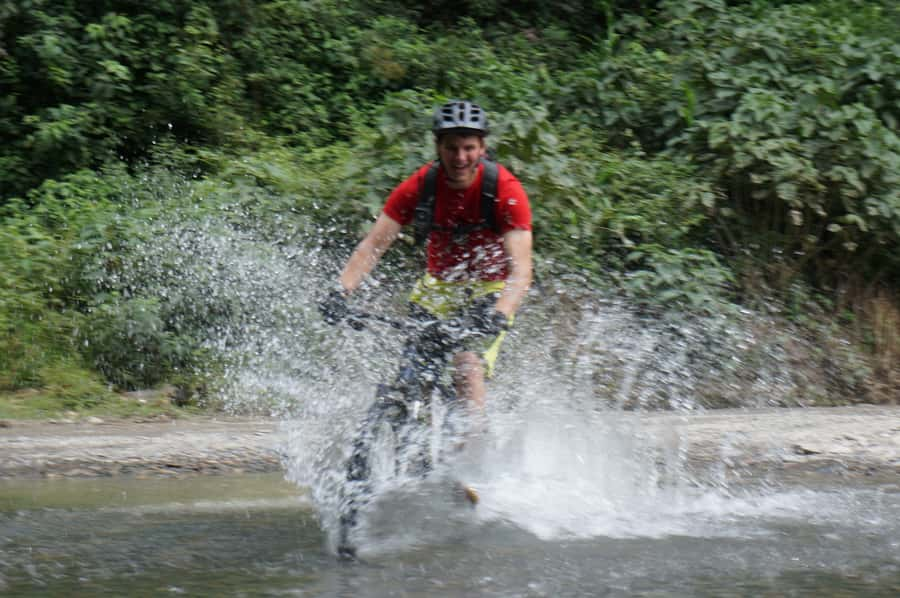
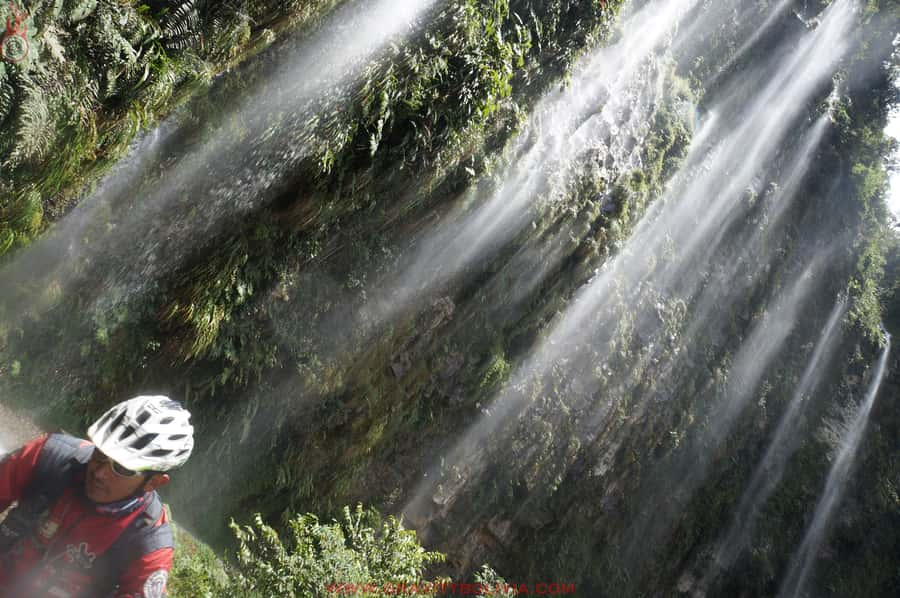
The famous section begins after a brief undulating part of the route. Here the road becomes narrow dirt cut into the mountainside, with steep drops and rough surfaces. The road descends about 2,000 meters through mist, low cloud, dust, and increasingly warm air.
This is the part that gives Death Road its reputation. You need to pay attention to your line, control your speed, and follow the guide’s instructions. You do not need to ride at the fastest possible pace. In fact, the better approach is to ride at a speed that lets you brake smoothly and stay in control.
The guides stop before difficult sections to explain what is coming. They also allow riders to spread out so each person can find a comfortable rhythm. Several people who were new to mountain biking managed the route with help from the guides, but that does not make it easy. You still need to know how to ride a bicycle and feel comfortable on uneven ground.
I like the way the support plan gives you an exit. The bus follows the group down the road, and you can get on at any point. The guide can also put you on the bus if continuing would be unsafe for you or for the group. That is not a failure. It is a sensible option on a route where fatigue can affect judgment.
The private vehicle also carries extra clothing and supplies. You can change when the weather shifts from cold and wet to hot and dusty. At the bottom, expect to be dirty, sweaty, and pleased to have finished.
Safety depends on your choices as much as the equipment
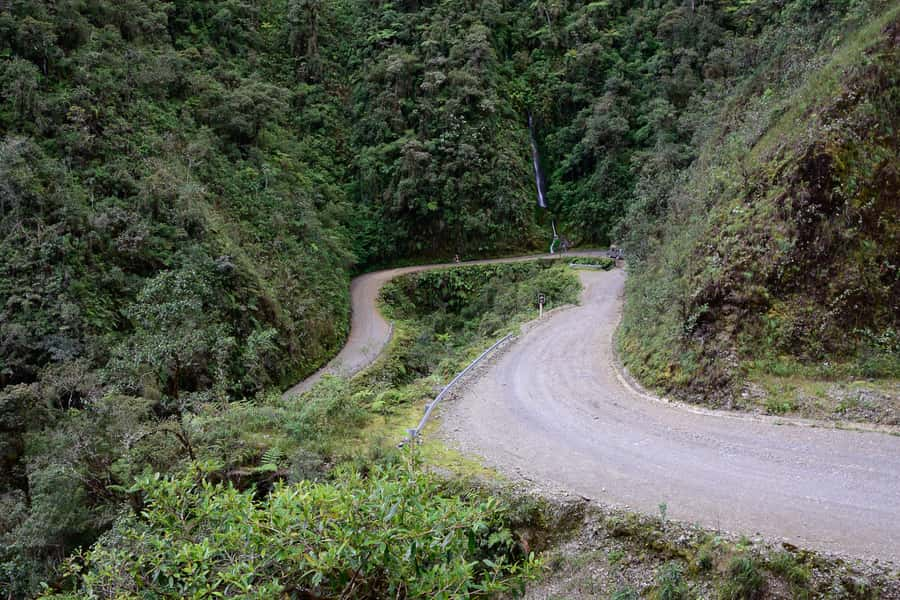
Gravity presents this as one of Bolivia’s most safety-focused Death Road operations, using international safety standards and guides with more than 20 years of experience on the route. The setup includes a guide, a mechanic, and a private safety vehicle for each group.
The safety vehicle is close behind, rather than being a distant backup. This matters if you need water, warmer clothing, a rest, or a ride down. The mechanic checks the bikes during stops, while the guide talks through the road ahead and keeps an eye on the group.
The equipment is another strong point. Riders receive protective pads and helmets, with full-face helmets available. The bikes have full suspension and hydraulic disc brakes, which help on rough ground and steep descents. Several riders specifically valued the regular bike checks and the quality of the equipment.
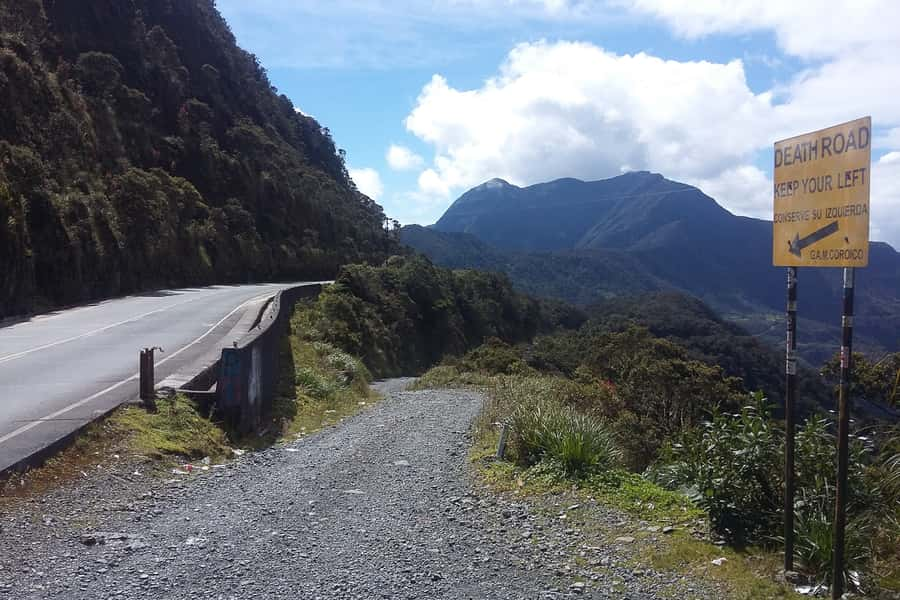
Still, the word dangerous in the road’s name is not just decoration. Weather can change quickly. One ride took place in snow and rain, and other riders dealt with clouds that hid the views. A bike can also slide, and the route has serious exposure. The guide’s right to remove you from the ride is a safety measure, not a reason to argue.
Wear the protective gear. Keep your speed under control. Do not treat the ride as a race, even if other people in the group are faster. You will enjoy more of the route if you leave yourself room to brake and steer.
A few more trips around La Paz worth a look
- La Paz | Death by Bike Route | Lunch
★ 3.4 · 7 reviews
Yolosa brings heat, dust, and relief
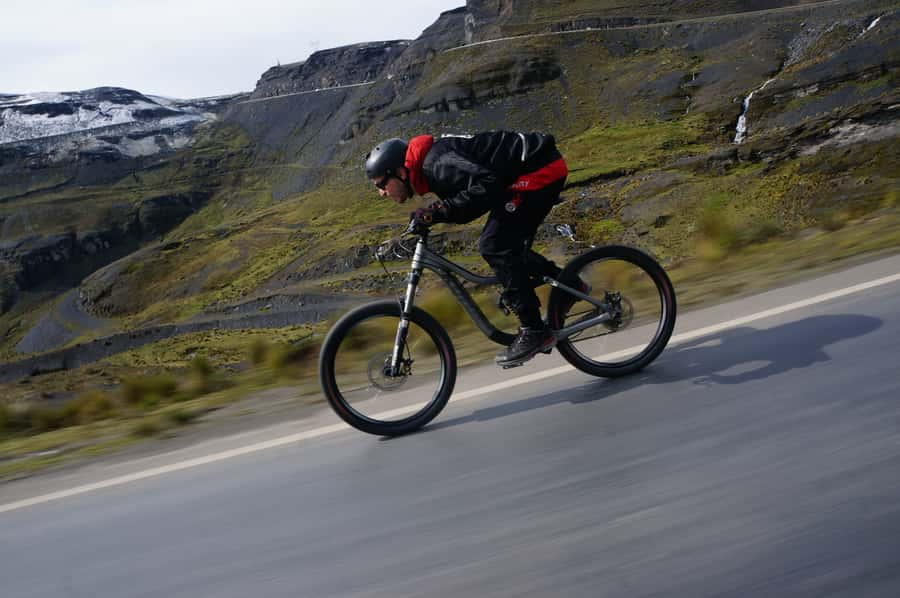
The road eventually reaches Yolosa, around 3,500 meters below the starting point. By then, the contrast is striking. You began in cold mountain air and finish in a warmer, more humid setting surrounded by Yungas vegetation.
This is a satisfying endpoint because the physical change is so clear. You have not simply ridden downhill on one type of road. You have crossed several zones, from high Andean terrain to a jungle environment, while managing a route that becomes more technical as it descends.
A box lunch is included, and the day’s food does not stop at breakfast and snacks. The lunch is served at La Senda Verde Animal Refuge, which gives the finish a purpose beyond refueling. The refuge helps rescue animals from the black market, so your visit supports its work.
Lunch and rescued animals at La Senda Verde
La Senda Verde is one of the best parts of the day for anyone who wants more than an adrenaline activity. You can eat a buffet lunch, rest, and see animals from the region, including hundreds of monkeys, an Andean spectacled bear, capybaras, and birds.
Some departures include time for a walk around the refuge, and several riders appreciated the chance to shower after the ride. Hot showers, shampoo, and towels were noted as available, though you should still pack a change of clothes. A cold drink or beer may also be available at the finish, but the listed inclusions specifically promise the meal, water, and refuge entry.
The refuge also changes the mood of the day. After hours of dust, brakes, and steep road, you can slow down and see the result of a conservation project. It is a much better ending than simply loading the bikes into a van beside the road.
The tradeoff is time. You do not finish lunch at the bottom and immediately return to La Paz. The journey back can take about three hours, and some riders arrived back in the city at roughly 8:30 p.m. If you have an evening bus, dinner reservation, or early start the next morning, allow plenty of room.
What the $145 price includes
At $145 per person, this is one of the more expensive Death Road options. The price makes more sense when you count what you would otherwise need to arrange separately:
- Transportation from La Paz
- Breakfast, box lunch, snacks, and unlimited water
- Full-suspension downhill bike with hydraulic disc brakes
- Helmet, gloves, elbow and knee pads
- Cold and wet weather pants and jacket
- English or Spanish guide
- Bike mechanic
- Private safety vehicle
- Entrance to La Senda Verde Animal Refuge
- Photos uploaded after the ride
- Buff to keep
The bike, mechanic, and support vehicle are the core value. A cheaper tour may still get you down the road, but the condition of the bike and the quality of the safety plan matter more here than they would on a gentle city ride.
You also avoid several small costs during the day. Food, water, protective gear, transport, and refuge entry are covered. The tour still has a few extra charges: road tax is 50 bolivianos, and the zipline is optional and purchased separately on the day.
For me, the price is reasonable if you want a well-supported ride and do not want to gamble on worn equipment. It is less compelling if you already own downhill gear, want a bare-bones adventure, or are mainly looking for the cheapest way to reach the bottom.
Who should book this ride?
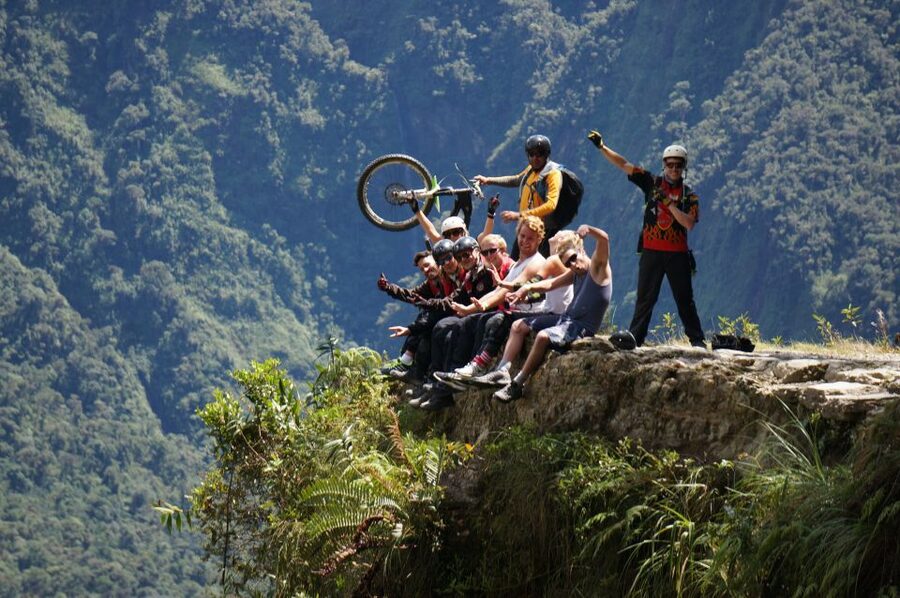
You should consider it if you can ride a bicycle and want a serious day outdoors with strong support. You do not need extensive mountain-biking experience, since the guides provide instruction and help, but you should be comfortable with uneven ground, downhill speed, and changing weather.
This suits riders who value:
- A small group limited to 14 people
- A slower, stop-filled day rather than a race
- Strong protective equipment
- A guide and mechanic who stay with the group
- A support bus you can use at any point
- Photos taken during the ride
- A meaningful finish at an animal refuge
It is not suitable if you cannot ride a bike, have a mobility impairment, use a wheelchair, are pregnant, or are under 120 centimeters tall. The route also may not suit anyone who dislikes heights, dirt, steep drops, or a long return journey.
Bring your passport or ID, sunglasses, sunscreen, insect repellent, hiking shoes, cash, a daypack, warm and weather-ready clothing, and a complete change of clothes. I would keep valuables light and pack anything you want dry in a protected bag.
Should you book Gravity Bolivia?
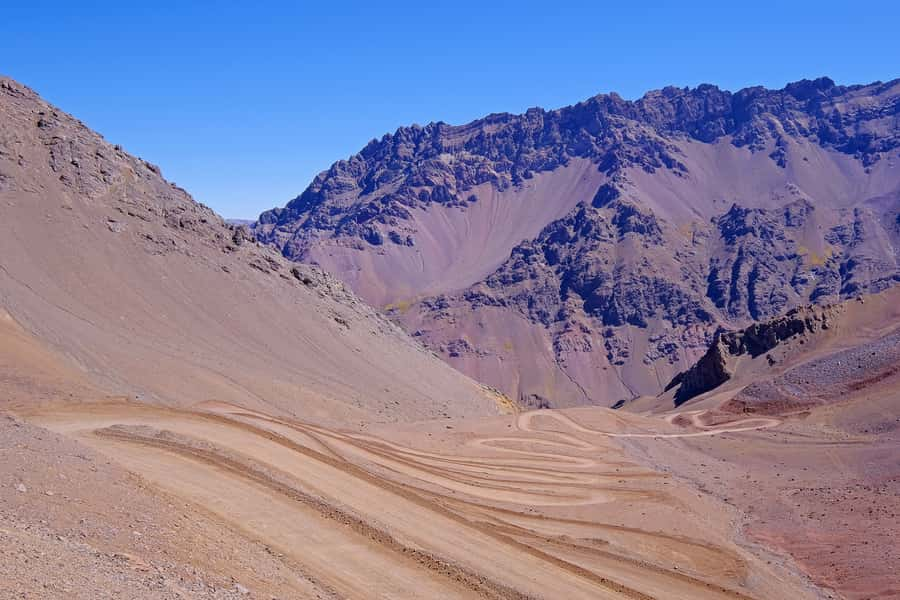
If Death Road is high on your Bolivia list, I would choose this tour for its equipment, support vehicle, mechanic, and clear focus on safety. Guides such as Damian, Kenny, Noel, Ruben, and Kenneth have been singled out for friendly instruction, good humor, careful checks, and encouragement when riders struggle.
Book it if you want a full day rather than a quick descent, and if you see the animal refuge as part of the experience rather than an add-on. Skip it if the $145 price is beyond your budget, if you need to be back in La Paz early, or if steep dirt roads are not your idea of fun.
The ride is thrilling, but the best version is not about proving you are fearless. It is about choosing a sensible speed, listening to the guide, taking the bus when needed, and enjoying the remarkable change from snowy mountain pass to hot Yungas jungle.
FAQ
Where does the Death Road tour meet?
Meet outside Café del Mundo in La Paz.
How long is the activity?
It is a full-day activity. Starting times vary, so check availability when booking.
How far do you ride?
The route covers about 64 kilometers of descent.
How high does the ride start?
You begin at La Cumbre, at about 4,700 meters above sea level.
How much altitude do you lose?
The ride finishes around 3,500 meters below the starting point, at Yolosa.
Is transportation from La Paz included?
Yes. Transportation from La Paz is included, along with a private safety vehicle that follows the group.
What bike and safety equipment are provided?
You receive a full-suspension downhill mountain bike with hydraulic disc brakes, a helmet, elbow and knee pads, gloves, and pants and a jacket for cold or wet conditions.
Can I stop riding during the route?
Yes. The bus follows the group, and you can get on it at any point. The guide can also place you on the bus for safety reasons.
Are meals included?
Yes. Breakfast, a box lunch, two snacks, and unlimited water are included. Breakfast offers meat, eggs, ham and cheese, vegetarian, and vegan choices.
What happens at the end of the ride?
You visit La Senda Verde Animal Refuge, where you receive lunch and can see rescued animals such as monkeys, an Andean spectacled bear, capybaras, and birds.
Just added around La Paz
- Private Tour of Tiwanaku Ruins from La Paz★ 5.0 · 3 reviews
- From La Paz: Lake Titicaca and Copacabana Private Tour★ 5.0 · 5 reviews
- Private Tiwanaku and Titicaca Day Trip from La Paz★ 4.8 · 3 reviews
- La Paz: Uyuni tour ending in Atacama Chile by bus.★ 3.9 · 3 reviews
- LA PAZ: GUIDED TOUR CHACALTAYA + VALLEY OF THE MOON★ 3.6 · 3 reviews
- Titicaca Lake: Highlights Tour from La Paz by Bus★ 4.0 · 3 reviews
- La Paz: The Feminist Tour★ 5.0 · 3 reviews
- From La Paz: Trip to Uyuni Salt Flats with Wine at Sunset★ 4.4 · 4 reviews
Cycling Tours, compared.
World’s Most Dangerous Road “Private” Mountain Biking Trip
Read our review →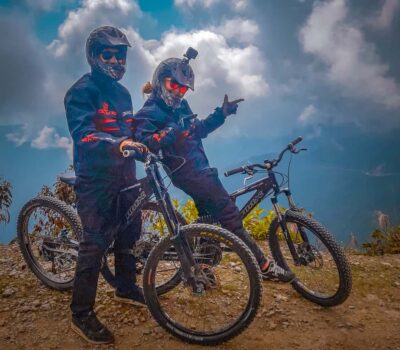
Browse the lists this tour appears in