

Reviewed · WALKING TOURS
La Paz: Street Food Walking Tour
La Paz’s food story is best understood on foot, and this tour links several of the city center’s most recognizable places with small tastes along the way. You begin near Jaen Street, then move through Lanza Market, Murillo Square, the San Pedro area, Rodriguez Market, the Witches Market, and San Francisco Church.
I like the way the route combines local food with city history, rather than treating lunch as a separate activity. I also like the chance to see ordinary markets such as Rodriguez, where vegetables and fruit matter as much as the famous sights. The main concern is serious: two recent bookings report that the guide never arrived, so I would confirm the meeting before setting aside your afternoon.
Key points to know before booking
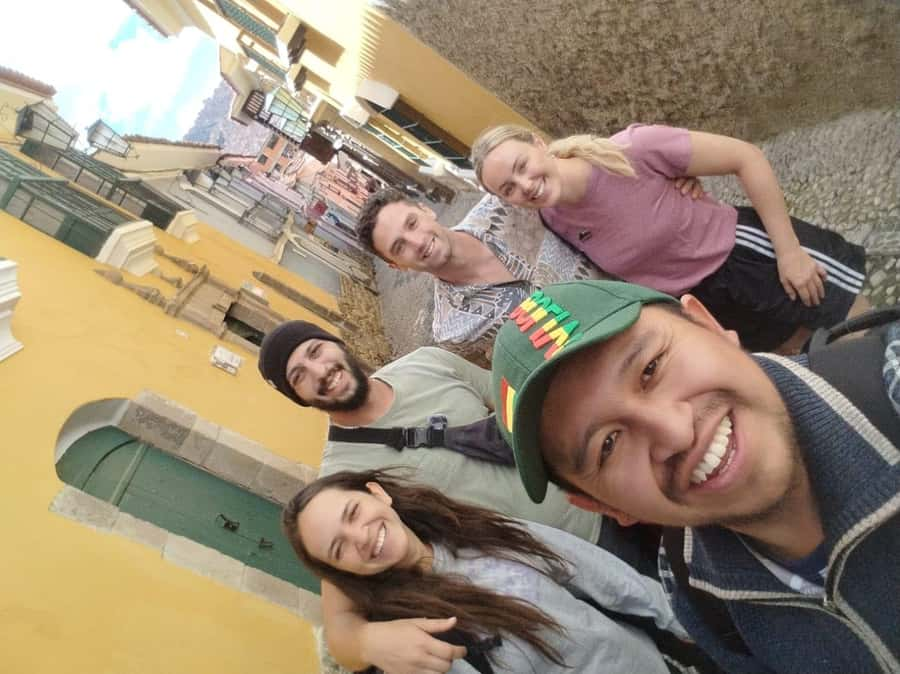
- Four hours on foot: The route connects several central La Paz sights, so comfortable shoes matter.
- A food tour with a history lesson: The guide explains the city while you taste drinks and traditional dishes.
- Several guides have earned strong praise: Erwin, Christian, and Chris are named in positive feedback.
- Carnivorous eating is required: The tour is intended for people who eat meat, with no vegetarian option promised.
- Weather can change quickly: Bring layers, sunscreen, and rain protection.
- Reliability needs checking: The experience has a mixed 3.3 out of 5 rating, including two reports of no-show guides.
Starting at Riosinho Square near Jaen Street
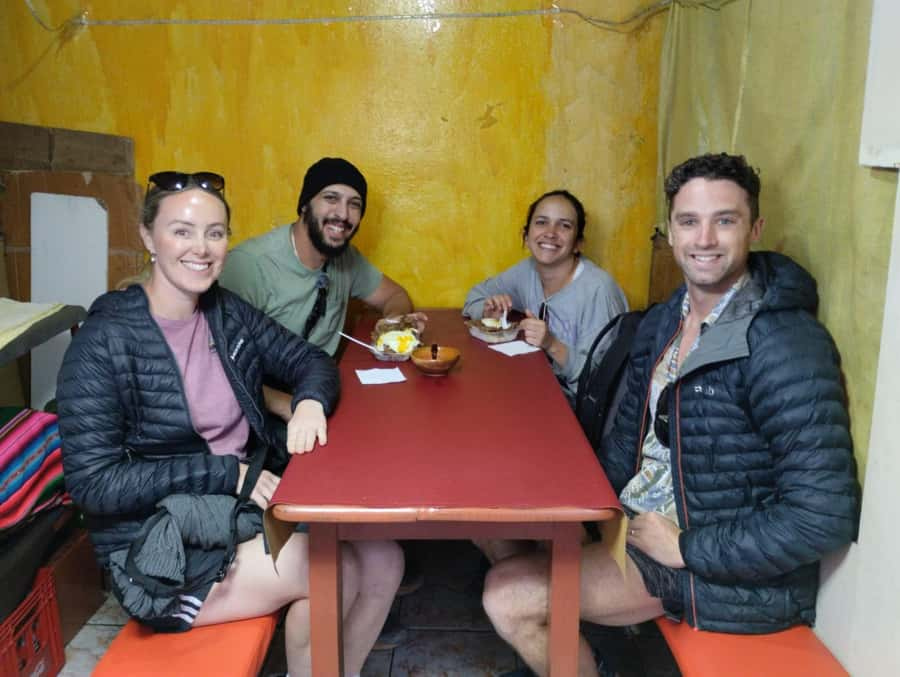
The meeting point is Riosinho Square at 2 p.m. for the English tour. It is close to Jaen Street, one of La Paz’s best-known colonial streets, which gives you an attractive starting point and an early sense of the old center.
Look for the guide with the green umbrella. That detail is important because the meeting area may be busy, and the umbrella is the clearest identification provided for the tour.
The afternoon schedule is useful if you want a slower morning. You can have breakfast, adjust to La Paz’s high altitude, and still join the walk after lunch. The tradeoff is that a four-hour route can run into the cooler part of the day, so bring a jacket even if the afternoon begins warm.
You should arrive ready to walk rather than expecting a vehicle-based sightseeing trip. The route moves through markets, squares, and central streets, with tastings included along the way.
A few more trips around La Paz worth a look
- La Paz: Cable Car Ride Tour with Food Tasting
★ 4.2 · 5 reviews - Bolivia: Bolivian Wine Tasting with Charcuterie Board
★ 5.0 · 10 reviews - Uyuni: 3-Days Salt Flats and Desert Adventure Tour with Food
★ 3.8 · 4 reviews
Lanza Market and the first Bolivian drink
Lanza Market is the first major stop. It is a practical place to begin because the market introduces you to daily food culture before the tour moves toward formal civic sights.
Here, you try a traditional Bolivian drink. The exact drink is not specified, so you should think of this as a guided introduction to local flavors rather than a fixed tasting menu with named items.
I like this opening because a market gives the guide plenty to explain. You are not just being told that La Paz has a food tradition. You are seeing where ingredients and prepared foods are sold, then tasting something connected to that setting.
Market food may not suit every stomach, especially if you have just arrived in Bolivia. Keep your own comfort in mind, drink water, and avoid arriving overly hungry or dehydrated. The tour includes tastings, but you should still bring water and snacks as suggested.
Murillo Square and La Paz’s civic center
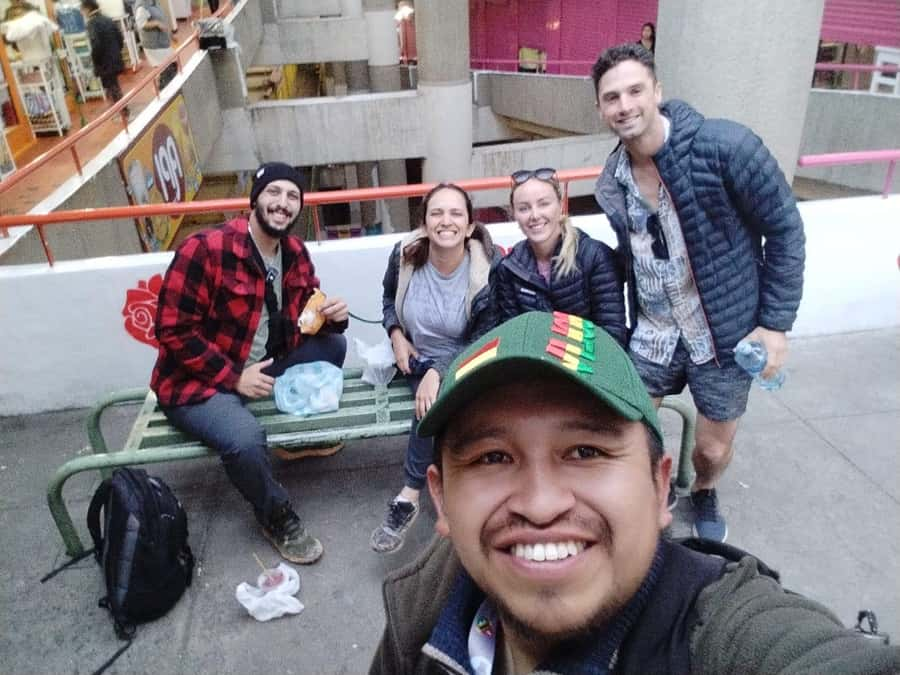
From Lanza Market, the walk continues to Murillo Square, the city’s main square. This is where the food route gains a stronger historical frame.
The guide explains La Paz’s past and city life as you move between stops. The tour description does not provide a full list of monuments or historical dates, so the quality of this part depends heavily on the guide. That makes the guide’s communication and knowledge especially important.
Several guides have received warm praise. Erwin was described as explaining city life and responding to personal requests. Christian was praised for showing the main sights and explaining their history, while Chris was noted for discussing Bolivian customs and table manners.
That range of comments tells you what the best version of this tour can offer: not just food samples, but context about how people eat and live in La Paz. It also means you should not judge the experience only by the number of dishes. The walking commentary is part of the value.
The San Pedro area and a second local dish
The itinerary then moves toward the San Pedro prison area, one of the more unusual points on the route. The wording says you will visit the particular prison named San Pedro, but it does not explain the access arrangements. I would treat this as a stop to see and discuss the area, not assume that you will enter the prison.
At this point, you taste another typical Bolivian dish. Again, the exact item is not named, so anyone with allergies or strong food restrictions should ask for the menu details before booking.
This stop adds a different kind of local context. Markets show food commerce, while the San Pedro area connects the walk with a well-known part of La Paz’s urban story. It is a more unusual choice than simply moving from one pretty square to another.
Christian’s handling of one participant’s altitude sickness is worth noting. He helped obtain medication at a pharmacy, and the participant said the food and sightseeing continued successfully. You should not treat a guide as a medical provider, but this does show the practical value of having a local person with you if altitude affects you.
Still, do not push through serious symptoms for the sake of a food tour. La Paz’s elevation can make a four-hour walk feel demanding, especially during your first days in the city.
Same base, a very different day:
- La Paz and El Alto: Cable Car Rides and Walking Tour
★ 4.8 · 790 reviews - La Paz Half-Day Walking Tour
★ 4.8 · 591 reviews - La Paz: Private City Tour with Cable Car & Moon Valley Visit
★ 4.9 · 508 reviews - La Paz: Full Day Trip to Copacabana and Isla del Sol
★ 4.5 · 400 reviews
Rodriguez Market and the everyday food supply
Rodriguez Market is the next stop. It is described as a popular market for vegetables and fruit, giving the tour a useful change of pace after the earlier food tasting.
This is the kind of stop I value on a city walk because it shows the ingredients behind the prepared dishes. You get a look at the everyday market side of La Paz rather than seeing only places designed for sightseeing.
The route’s food focus also makes more sense here. Traditional cooking is not just a finished plate. It begins with produce, shopping habits, and the relationship between markets and neighborhoods. Your guide can connect those pieces while you walk.
Do not expect the polished setting of a restaurant. Markets are practical places, and the appeal is their ordinary character. If you prefer formal meals, this may feel rough around the edges. If you want to see how a city feeds itself, it is one of the more useful parts of the walk.
The Witches Market and another tasting
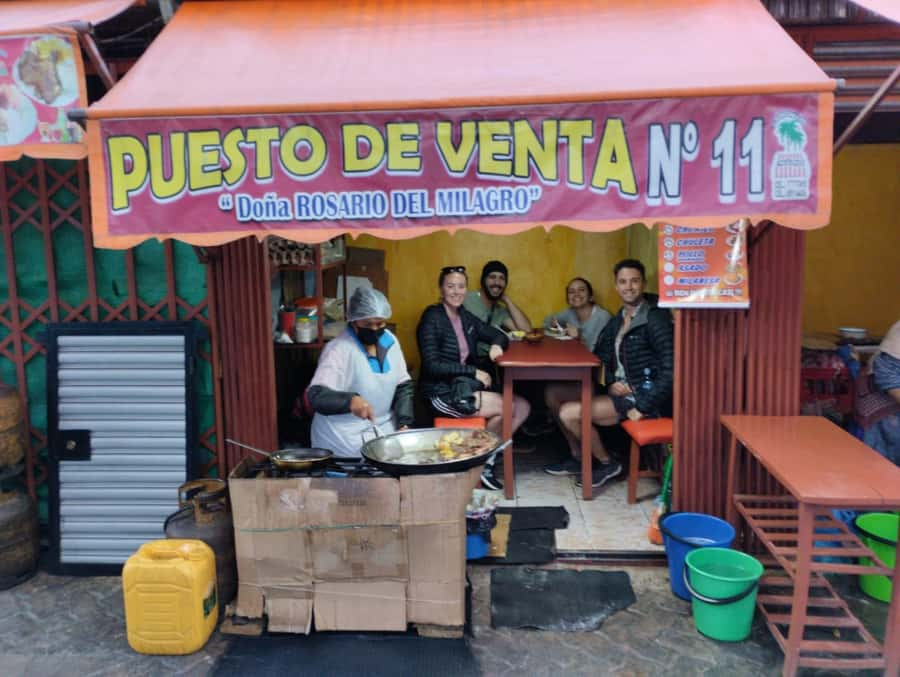
The Witches Market is one of La Paz’s most recognizable visitor stops, and the tour includes a tasting there as well. The name refers to the market’s distinctive displays and traditional spiritual goods, though the supplied details do not identify the particular food served or describe the market’s individual products.
The advantage of visiting with a guide is that you can ask what you are looking at instead of simply taking photographs and moving on. The food tasting keeps the stop tied to the wider purpose of the tour.
This is also a place where the experience can feel more tourist-oriented than Rodriguez Market. That is not necessarily a problem. La Paz’s famous visitor sights are part of the city too, but it is useful to notice the contrast between a market known internationally and a produce market used for everyday shopping.
The stop adds variety to the afternoon: history, market produce, street food, and local customs all appear in one route. Just remember that the tour is not presented as a shopping excursion, so any purchases would be separate from the included tastings.
Finishing near San Francisco Church
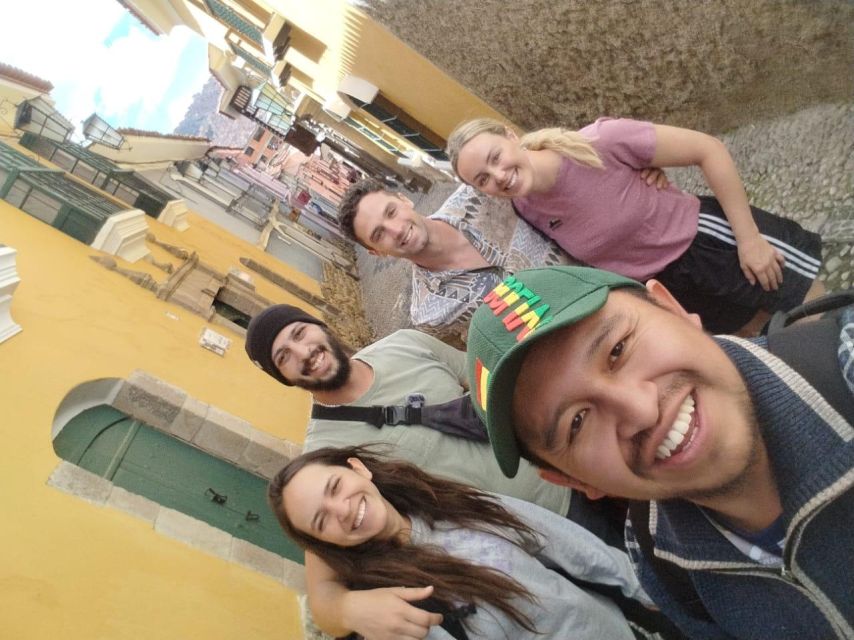
The final stop is San Francisco Church, where the tour closes with another Bolivian food tasting. Ending at a major church gives the walk a clear landmark and places you in a central part of La Paz.
By this stage, you will have sampled several items, but the exact number and dishes are not fixed in the information provided. The experience is better understood as a guided sequence of local tastes than as a formal tasting menu.
The church also makes a sensible endpoint for a walking tour. It is one of the city’s famous central sights, and the guide can connect the final food stop with the larger story of La Paz. If you want a tour that finishes at a named landmark rather than returning to the starting point, this arrangement may suit you.
You should plan your evening with some flexibility. The stated duration is approximately four hours, and walking tours can finish a little later than expected when stops and conversation take time.
What the guides add to the experience
The strongest positive comments center on the human side of the tour. Erwin received praise for explaining La Paz and adapting to requests. Christian was singled out for patience, help with altitude sickness, food, and city history. Chris was praised for showing Bolivian dishes and explaining table customs.
That last point matters. Food customs can be as interesting as the food itself, and learning how dishes fit into local habits gives the tastings more meaning. You are not simply collecting samples.
English is the stated tour language. The named guides are not guaranteed for every departure, so you should not book solely because you hope to meet one particular person.
There is also a major practical warning. Two bookings from late 2024 report that no guide appeared, with one person also reporting a double card charge that was later refunded through the booking platform. The overall rating is 3.3 out of 5 from six ratings. The positive experiences sound genuinely strong, but the no-show reports are too serious to ignore.
I would confirm the meeting point and guide shortly before the tour. Keep the booking confirmation available, arrive at Riosinho Square on time, and know how to request help or a refund if the guide does not arrive.
Is $19 good value?
At $19 per person, the tour is inexpensive for a four-hour guided walk with several tastings. The price includes the guide and the different food samples, while transport and personal purchases are not listed as included.
The value is strongest if you want three things at once: an introduction to La Paz’s center, a local food orientation, and a guide who can explain customs and history. Booking separate sightseeing and food activities could cost more, though the quality of the experience depends on the guide showing up and delivering the route well.
You should not compare the price with a restaurant meal. Some of what you are paying for is the walking route, explanations, and access to food places you might not choose confidently on your own.
Because the menu is not specified, people with allergies, dietary limits, or strong preferences may find the value less clear. The tour is explicitly for carnivorous people, since the supplied information says many Bolivian food places on the route serve meat. Vegetarians should not book expecting substitutions.
Practical packing advice for a four-hour walk
La Paz weather can change quickly, so dress in layers. A jacket, pullover, umbrella, sunscreen, sunglasses, and comfortable shoes are all sensible choices.
Bring water. Snacks are also recommended, even though the tour includes food, because tasting portions may not replace a full meal and the walking can be tiring.
A camera will be useful for the markets, squares, church, and changing street scenes. Be considerate when photographing people or market sellers, and ask your guide if you are unsure.
If you are adjusting to altitude, pace yourself. One positive experience involved a guide helping with a pharmacy visit when altitude sickness became a problem, but you should still make your own health decisions and stop if you feel unwell.
Free cancellation is available up to 24 hours before the start for a full refund, and you can reserve while paying later. Those terms reduce the financial risk, but they do not remove the need to check the operational details before you leave for the meeting point.
Who should book this La Paz food walk?
I would choose this tour if you want a low-cost first look at central La Paz and are happy eating meat-based local food in market and street settings. It suits curious eaters who value conversation, city history, and everyday markets more than a polished dining room.
It is also a useful option for someone who wants help finding local foods during the first days in Bolivia. The guides praised in the feedback did more than hand over dishes. They explained city life, customs, and major sights, and one handled an altitude problem with practical help.
I would skip it if you need a vegetarian menu, dislike changing weather, cannot walk for four hours, or require a highly dependable appointment. The recent no-show reports deserve caution, despite the strong comments about several guides.
Final decision
At $19, this is a potentially excellent bargain for a food-and-history walk through central La Paz, with markets, major squares, the San Pedro area, the Witches Market, and San Francisco Church all linked in one afternoon. The best version includes a friendly guide who can explain local dishes and customs while helping you get your bearings.
Book it only after confirming the meeting details, and keep the cancellation terms in mind. If the operator can provide a reliable departure, the route and price are appealing. If you cannot tolerate the risk of a missed appointment, choose a more firmly confirmed activity instead.
FAQ
Where does the La Paz street food tour meet?
The meeting point is Riosinho Square, close to Jaen Street. Look for the guide with the green umbrella.
What time does the English tour start?
The English tour starts at 2 p.m.
How long does the tour last?
The tour lasts approximately four hours.
What language is the tour offered in?
The listed tour language is English.
What food is included?
The tour includes different Bolivian tastings, including a drink at Lanza Market and food stops near the San Pedro area, the Witches Market, and San Francisco Church. The exact dishes are not specified.
Is the tour suitable for vegetarians?
No. The experience is described as available only for carnivorous people, with many of the food places serving meat.
What should I bring?
Bring comfortable walking shoes, water, sunscreen, sunglasses, a camera, and clothing for changing weather. A jacket, pullover, and umbrella are suggested, along with snacks.
More Walking Tours in La Paz
- Walking city tour La Paz
★ 3.9 · 25 reviews - Walking tour in Sucre: History, Culture & Amazing Views
★ 4.8 · 79 reviews - Walking tour – A journey through the History of Santa Cruz
★ 4.8 · 61 reviews - Sucre: Free Walking tour (History, culture and traditions)
★ 4.8 · 47 reviews
Just added around La Paz
- Private Tour of Tiwanaku Ruins from La Paz★ 5.0 · 3 reviews
- From La Paz: Lake Titicaca and Copacabana Private Tour★ 5.0 · 5 reviews
- Private Tiwanaku and Titicaca Day Trip from La Paz★ 4.8 · 3 reviews
- LA PAZ: GUIDED TOUR CHACALTAYA + VALLEY OF THE MOON★ 3.6 · 3 reviews
- La Paz: Uyuni tour ending in Atacama Chile by bus.★ 3.9 · 3 reviews
- La Paz: The Feminist Tour★ 5.0 · 3 reviews
- Titicaca Lake: Highlights Tour from La Paz by Bus★ 4.0 · 3 reviews
- From La Paz: Trip to Uyuni Salt Flats with Wine at Sunset★ 4.4 · 4 reviews
Walking Tours, compared.
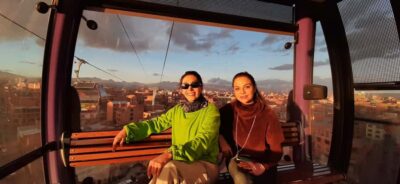
La Paz and El Alto: Cable Car Rides and Walking Tour
Read our review →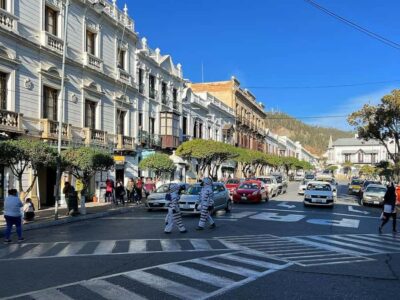
Walking tour in Sucre: History, Culture & Amazing Views
Read our review →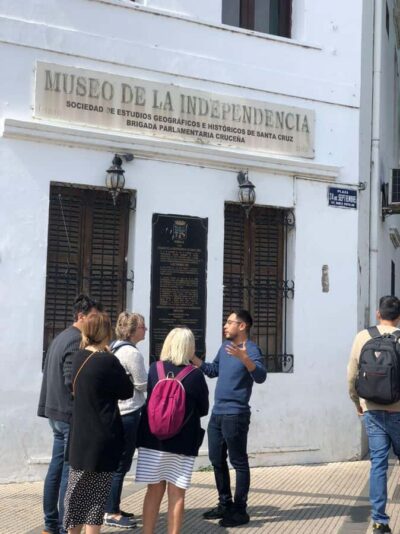
Walking tour – A journey through the History of Santa Cruz
Read our review →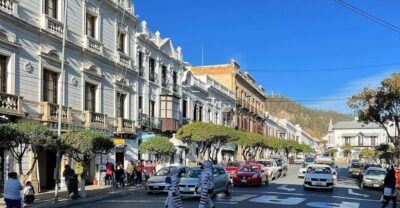
Free Walking tour (History, culture and traditions)
Read our review →
Browse the lists this tour appears in