
Reviewed · HUAYNA POTOSI AND ANDEAN CLIMBS
From La Paz: Austria Peak One-Day Climbing Trip
Austria Peak is a serious one-day mountain climb, not a casual hill walk. You leave La Paz early, cross the high plain near El Alto, and hike from Laguna Chira Khota toward a 17,388-foot summit with huge views of the Cordillera Real and Lake Titicaca.
I like two things here: the route gives you close views of glaciers and the Condoriri lakes, and it works well as a test before attempting Huayna Potosí or a higher trek. The main catch is altitude. Even fit young people can feel sick around 16,400 feet, so you need two to three days of acclimatization before trying the summit.
Key points to know before you book
- Austria Peak reaches 17,388 feet: This is a high-altitude climb with real physical demands, even though it requires no technical climbing skills.
- The Condoriri setting is the reward: Lakes, icy peaks, and broad Cordillera Real views fill much of the day.
- Your day begins and ends in La Paz: Transport, hotel pickup in or near the city center, and drop-off are included.
- A backup hike is possible: If altitude stops you near 16,400 feet, you may continue around the lake at roughly 14,100 feet instead.
- The pace matters: Guides such as Patricia and Andrés have been praised for calm, steady pacing and patience.
- The full day is long: Plan on two to three hours of driving and six to eight hours of hiking, with some days reaching about nine hours on foot.
Why Austria Peak makes a useful acclimatization test
Austria Peak, also called Pico Austria, is a good choice if you want a hard but nontechnical introduction to Bolivia’s high mountains. The route involves hiking rather than rope work or glacier instruction, but the altitude makes it much more demanding than the technical label suggests.
At 17,388 feet, the summit is higher than many famous European peaks. You do not need prior mountaineering technique, yet you do need strong fitness, patience, and a sensible approach to altitude. The steepness is only part of the problem. Thin air slows every step, and the return descent can feel as tiring as the climb.
I see this trip as especially useful before Huayna Potosí. One climber used Austria Peak three days before that climb, which is a sensible way to learn how your body reacts before committing to a bigger objective. A successful summit does not guarantee you will feel fine on another mountain, but it gives you useful information about your breathing, pace, and recovery.
Acclimatization is not optional. The guidance for this trip suggests spending two to three days between 9,840 and 16,400 feet before the climb. That range matters because arriving from low altitude and heading straight for the summit is a poor gamble. Even people who are normally fit can become nauseated at around 16,400 feet.
More Andean climbs and high-altitude days from La Paz
- La Paz: Charquini Mountain Guided Hike
★ 4.7 · 287 reviews - Full day Tour Charquini and Laguna Esmeralda
★ 4.5 · 73 reviews - From La Paz: Day Trip to Chacaltaya and Moon Valley
★ 4.4 · 65 reviews
The road from La Paz to the Condoriri range
Pickup is arranged from your hotel in or near the city center, with the meeting point listed at Av. Felipe Reque L 127. Wait in the lobby about ten minutes before the scheduled time. The guide or driver will ask for you there.
The drive takes roughly two to three hours, depending on the day and road conditions. You first pass through El Alto, described here as one of the fastest-growing cities in South America. The roadside view includes many new construction projects, often half finished, giving you a quick look at the speed and rough edges of urban growth around La Paz.
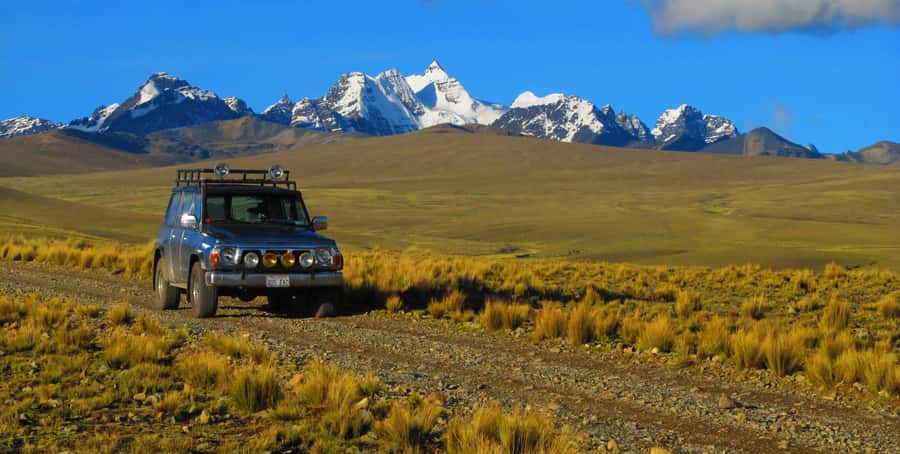
The city gradually gives way to open high-altitude country. After Palcoco, the vehicle follows dirt roads up the valley toward the Condoriri range. This part of the journey is not just dead time before the hike. It shifts the mood from city traffic to broad mountain views, with the Cordillera Real appearing ahead.
There is a practical downside: a long ride followed by a long hike makes this an exhausting day from start to finish. If you prefer a relaxed mountain outing, this is not it. If you want a full day in the high Andes without arranging several nights in a mountain refuge, the transport makes the route quite efficient.
Laguna Chira Khota and the first miles on foot
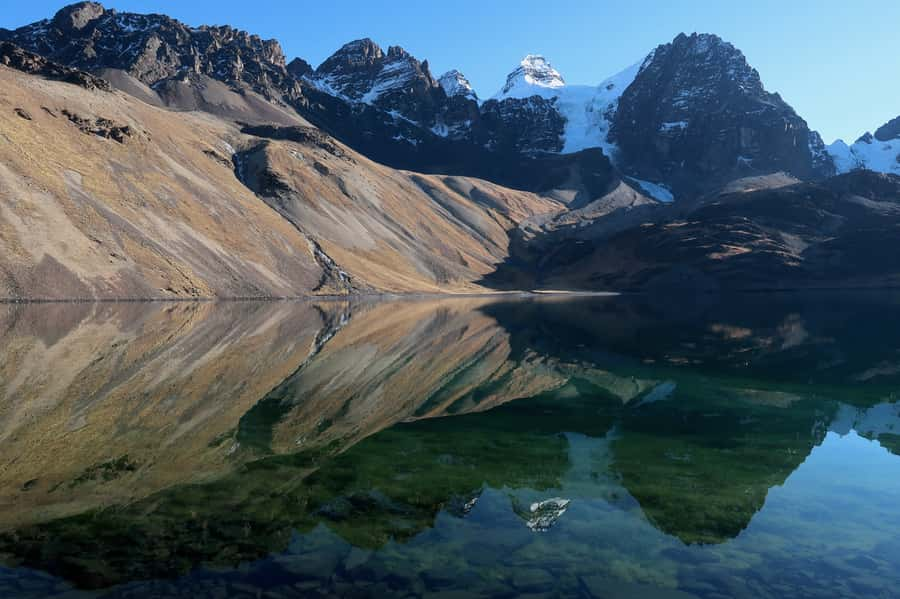
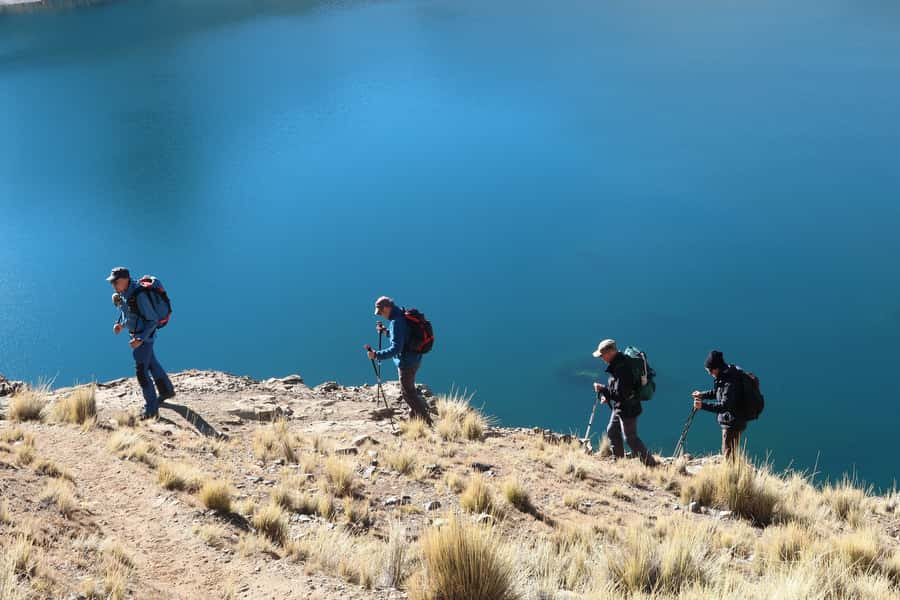
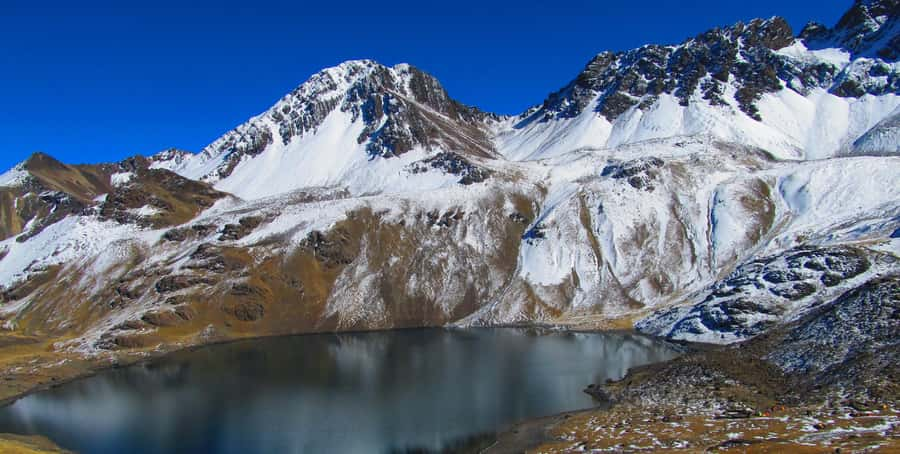
The walk begins near Laguna Chira Khota. From there, you turn onto a trail leading upward toward Austria Peak. The lake is part of what makes this route more rewarding than a simple summit slog. Condoriri is known here through its linked lakes and sharp mountain forms, and the water provides a clear focal point before the path turns higher.
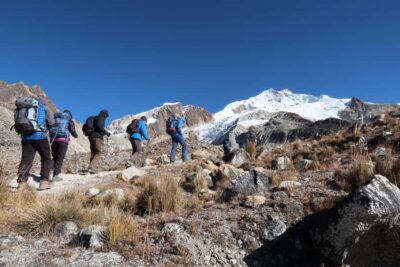
The first section is where you settle into your rhythm. Your guide should help you avoid the classic high-altitude mistake of starting too quickly. A slow pace may feel almost comically gentle at first, but it saves energy for the upper slopes, where each step costs more.
The trip includes a professional guide, trekking poles if needed, warm clothing, and a first-aid kit. The supplied clothing includes a jacket and pants. That is useful if you are not carrying a full mountain wardrobe, though you should still bring personal layers suited to cold conditions.
A boxed lunch with drinks is included. Do not treat that as a minor detail. On a day with six to eight hours of hiking, food and water timing can affect how you feel almost as much as the pace. The exact lunch contents are not specified, so bring any personal snacks you know you can manage at altitude.
Reaching Austria Peak at 17,388 feet
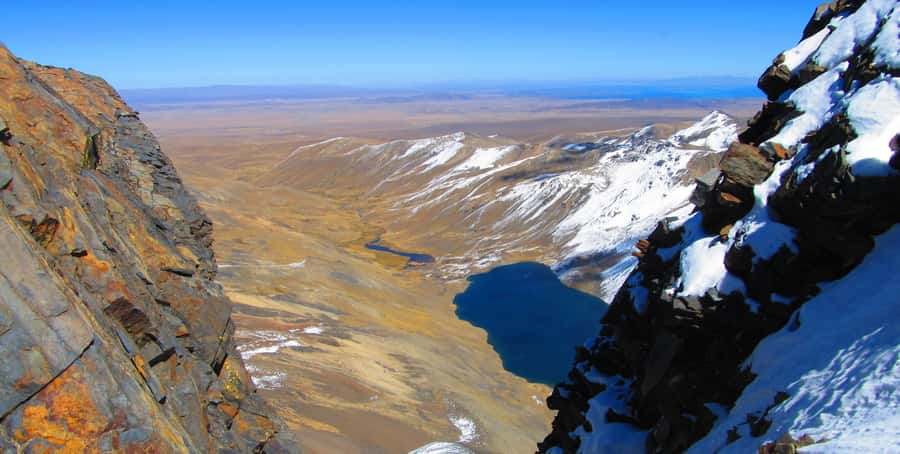
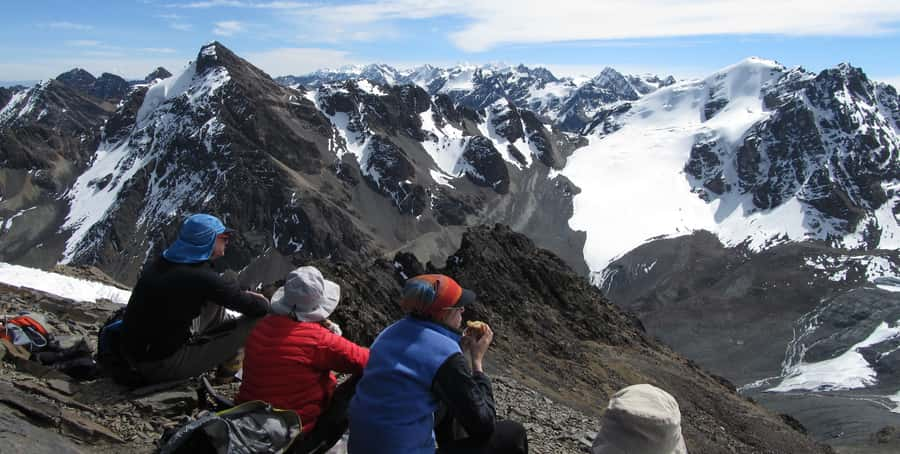
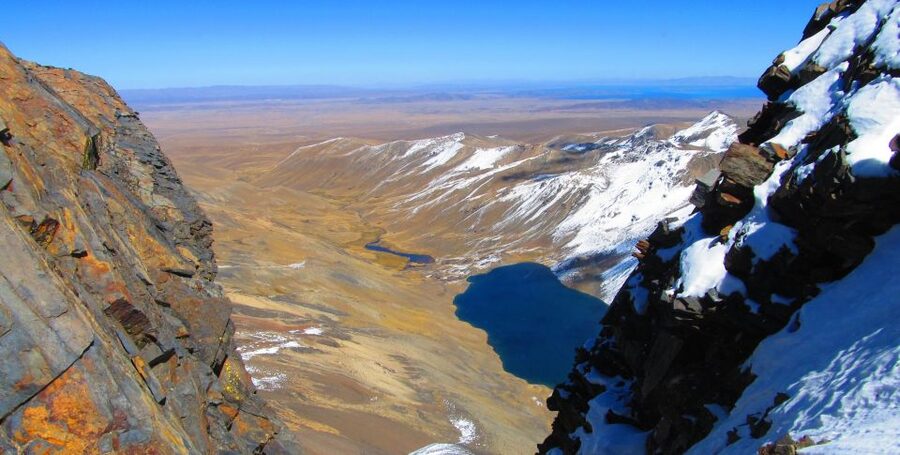
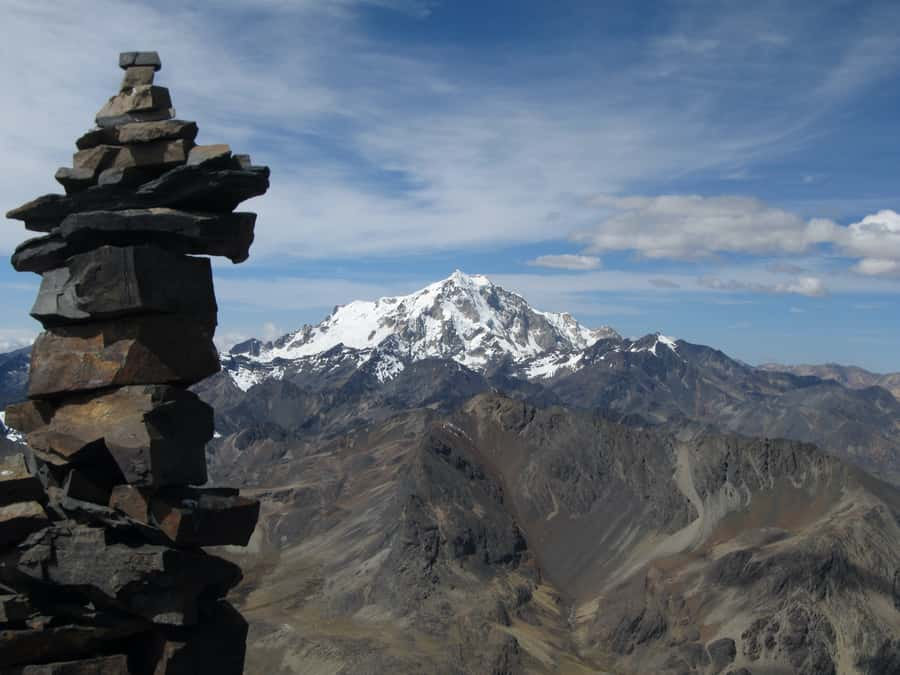
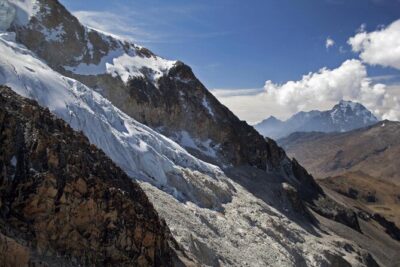
As you climb, the Condoriri lakes and surrounding peaks spread out below. The route brings you close to glaciers and icy mountain faces, while the high point gives you wide views over the Cordillera Real. On clear conditions, you can also see toward Lake Titicaca.
The summit is the reward, but it is not the only worthwhile section. One of the strengths of the route is that the view keeps changing as you rise. You begin with the lake and valley, then gain a broader sense of the mountain range, with snow and ice becoming more prominent near the top.
The effort is substantial. One account describes nine hours of constant walking, plus about six hours of driving in total. The advertised hiking time is six to eight hours, so you should plan for a long day rather than assume you will be back at the hotel early.
A calm guide makes a real difference. Patricia has been praised for setting a good pace and explaining the route, while Andrés was credited with patience when a climber struggled with fatigue and altitude. These names do not guarantee who will lead your departure, but they show the kind of support you should expect from a strong guide: steady decisions, no needless rushing, and help when the mountain stops feeling easy.
A few more trips around La Paz worth a look
- La Paz and El Alto: Cable Car Rides and Walking Tour
★ 4.8 · 790 reviews - La Paz Half-Day Walking Tour
★ 4.8 · 591 reviews - La Paz: Private City Tour with Cable Car & Moon Valley Visit
★ 4.9 · 508 reviews - La Paz: Full Day Trip to Copacabana and Isla del Sol
★ 4.5 · 400 reviews
What happens if altitude stops you
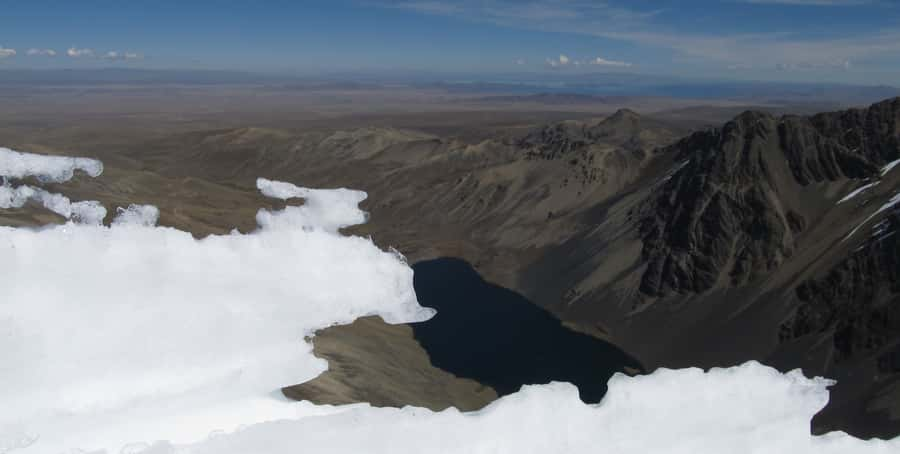
The most useful feature of this trip may be the lower-altitude alternative. If you reach the area around 16,400 feet and feel too nauseated to continue, the day does not have to be a failure. You may instead hike around the lake at roughly 14,100 feet.
That backup route matters because altitude sickness is unpredictable. One person in a pair can feel fine while the other becomes ill, even after five nights between 11,800 and 13,450 feet. Fitness helps, but it does not control your response to thin air.
Do not try to force the summit because you have paid for it. Headache, nausea, unusual weakness, or a sharp drop in coordination should be taken seriously. The lower route still offers mountain and lake scenery, and turning around is the sensible choice, not a defeat.
There is one important policy point: no refund is issued if bad weather affects the climb. That makes travel insurance worth considering, especially if the mountain day is a key part of a short Bolivia trip. Personal insurance is not included.
The descent can be harder than the climb
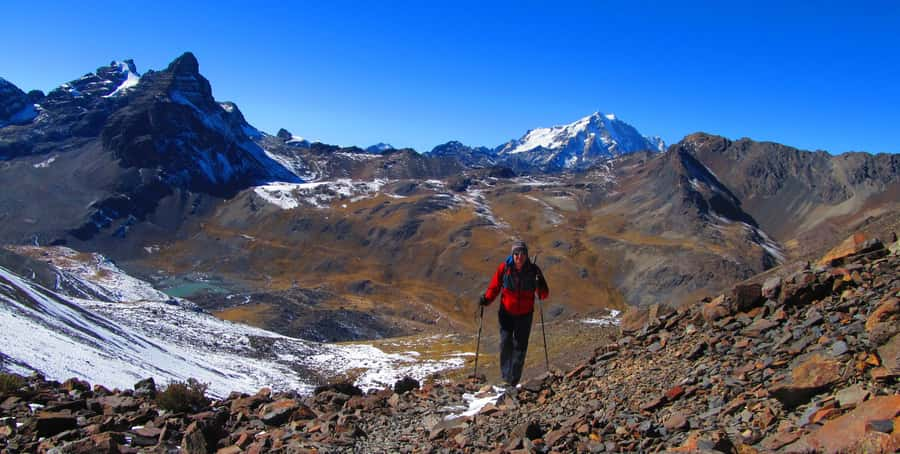
At the summit, you return down the valley to the vehicle. Many people focus on reaching the top and underestimate the way back. One climber found the descent even harder after using most of their strength on the ascent, with a severe headache adding to the problem.
This is why I would not book Austria Peak immediately after a sleepless arrival in La Paz. Give yourself time to adjust, keep your first days at altitude sensible, and treat the descent as part of the main event. Your legs and breathing still have work to do after the summit photos.
The route is not described as technical, so you are not signing up for climbing ropes or specialized mountaineering instruction. Still, the combination of altitude, cold, uneven trail, and long hours requires good physical condition. People with heart problems, high blood pressure, mobility impairments, or pregnancy should not book this activity.
Diamox, also called acetazolamide, is mentioned as an option at 125 milligrams in the morning and 125 milligrams in the evening. Medication decisions belong with your doctor, especially at high altitude. The tour information also advises bringing a passport or ID card and a visa if one is required for your nationality.
What the $188 price really covers
At $188 per person, the cost is reasonable if you need a simple, organized way to reach the Condoriri range from La Paz. The price includes all transport, hotel pickup and drop-off in or near the city center, a professional guide, lunch with drinks, warm jacket and pants, trekking poles if needed, and a first-aid kit.
Those inclusions remove several practical headaches. You do not need to arrange a private vehicle for rough roads, find the trailhead yourself, or rent basic cold-weather clothing separately. For a one-day mountain trip, that convenience has real value.
A backpack is not included, though one can be rented as an add-on. Pickup outside the city center also costs extra. Personal insurance and services not listed in the program are your responsibility.
Private and small-group options are available. A private departure can be worthwhile if you want the pace adjusted closely to your condition, especially on a climb where altitude affects people differently. A small group may cost less or provide company, but ask about the final group size if personal attention matters to you.
Who will enjoy this day most
You are a good match for Austria Peak if you:
- Have already spent two to three days acclimatizing at high altitude
- Can manage six to eight hours of strenuous hiking
- Want a nontechnical summit before attempting a larger climb
- Like glacier views, high lakes, and wide mountain scenery
- Are comfortable starting early and returning tired
- Want transport and equipment arranged in advance
This is not the right pick if you want a gentle scenic walk, dislike long vehicle rides, or have not yet tested yourself at altitude. The lack of technical climbing does not make it easy. It simply means the difficulty comes mainly from fitness, cold, trail conditions, and thin air.
The route can also suit a pair or group with different abilities because the lower lake walk provides an alternative. That flexibility is helpful, but it does not remove the need for honest self-assessment.
Useful preparation for the climb
Sleep well before the outing and spend your earlier Bolivia days acclimatizing rather than racing through several high activities. Keep your pace modest from the start. You want enough energy for the upper mountain and the descent, not just the first scenic stop.
Bring your passport or ID card, and a visa if your nationality requires one. A backpack can be rented, but confirm that arrangement ahead of time. The activity supplies a jacket, pants, poles if needed, lunch, and drinks, yet you should still prepare for cold high-altitude conditions and carry anything personal you need during a long day.
English and Spanish guides are available. Pickup is included only in or near the city center unless you pay for an outside-city pickup. Pets are not allowed.
The booking terms allow cancellation up to 24 hours in advance for a full refund, and you can reserve now and pay later. Those options help with planning, but remember the separate bad-weather rule: a weather cancellation does not bring a refund under the stated conditions.
Should you book Austria Peak?
Book it if you want a demanding, nontechnical summit day with excellent mountain views and you have already acclimatized properly. The combination of Cordillera Real scenery, Condoriri lakes, glacier views, transport, equipment, and a possible lower route makes the $188 price fair for a well-supported day.
Skip it for now if you are newly arrived in La Paz, unsure how altitude affects you, or looking for a soft introduction to hiking. Give yourself more acclimatization time first, and be ready to turn back if your body objects. Austria Peak rewards patience and preparation far more than bravado.
FAQ
How high is Austria Peak?
Austria Peak reaches 17,388 feet.
How long does the activity last?
It is a one-day experience. The day includes about two to three hours of driving and six to eight hours of hiking, though the total hiking time can be longer depending on conditions and pace.
Where does pickup take place?
Pickup is provided from hotels in or near La Paz city center. The listed meeting location is Av. Felipe Reque L 127.
Is technical climbing experience required?
No technical climbing skills are required, but you need a good level of physical fitness and prior acclimatization.
How much acclimatization is recommended?
Two to three days between 9,840 and 16,400 feet is described as sufficient before the climb.
What happens if I cannot reach the summit?
You may be able to take an alternative hike around the lake at about 14,100 feet if altitude prevents you from continuing toward the summit.
What is included in the price?
The price includes a professional guide, boxed lunch and drinks, transport, hotel pickup and drop-off in or near the city center, a jacket, pants, trekking poles if needed, and a first-aid kit.
Can I cancel the booking?
You can cancel up to 24 hours in advance for a full refund. No refund is issued in the case of bad weather.
Just added around La Paz
- Private Tour of Tiwanaku Ruins from La Paz★ 5.0 · 3 reviews
- From La Paz: Lake Titicaca and Copacabana Private Tour★ 5.0 · 5 reviews
- Private Tiwanaku and Titicaca Day Trip from La Paz★ 4.8 · 3 reviews
- LA PAZ: GUIDED TOUR CHACALTAYA + VALLEY OF THE MOON★ 3.6 · 3 reviews
- La Paz: Uyuni tour ending in Atacama Chile by bus.★ 3.9 · 3 reviews
- La Paz: The Feminist Tour★ 5.0 · 3 reviews
- Titicaca Lake: Highlights Tour from La Paz by Bus★ 4.0 · 3 reviews
- La Paz: Uyuni Salt Flats & Lagoon Share Trip (private room)★ 4.7 · 4 reviews
Huayna Potosi and Andean Climbs, compared.
Browse the lists this tour appears in