
Reviewed · HUAYNA POTOSI AND ANDEAN CLIMBS
From La Paz: Huayna Potosí Mountain 3-Day Ice-Climbing Trip
Huayna Potosí gives you a rare chance to attempt a 6,000-meter Andean peak in only three days. The route includes real glacier travel, crampons, ropes, ice axes, a steep snow wall, and an exposed ridge near the summit, so this is far more than a scenic mountain walk.
I like the built-in training on day one and the fact that the price includes a guide, cook, refuge stays, transport, meals, and technical equipment. I also like the strong support from guides such as Francisco, Andrés, Macario, and Gabriela. The catch is serious: altitude, cold, and a 9 to 13-hour summit day can defeat fit people who have not acclimatized.
Key points before you commit
- A real glacier school: You spend three to four hours practicing crampons, ropes, ice axes, and basic climbing on the lower glacier.
- A two-stage ascent: Day two takes you to high camp, then day three begins around 1 AM for the summit attempt.
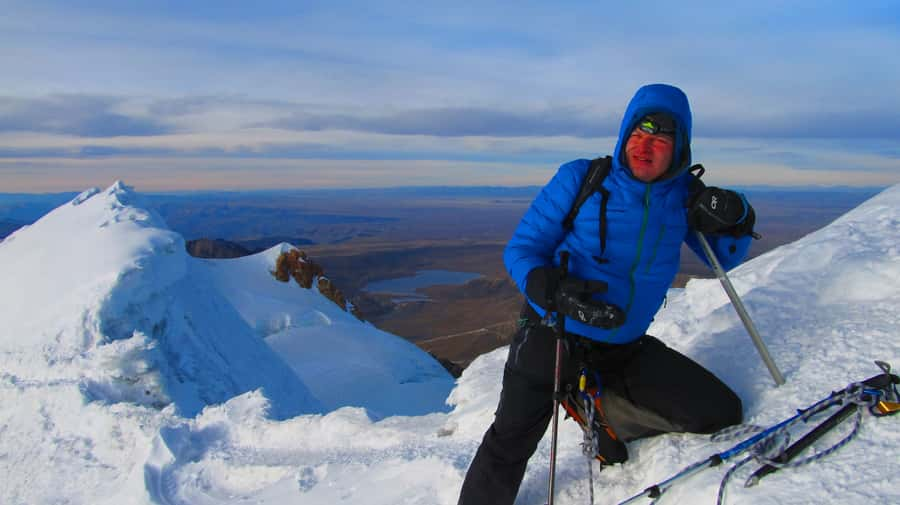
- A 6,000-meter objective: The summit offers views toward Illimani and Illampu, two of Bolivia’s great high peaks.
- Technical gear is supplied: Boots, crampons, harness, helmet, ice axe, warm layers, gaiters, and ropes are included.
- You still need personal kit: Bring thermal underwear, liner gloves, socks, sunglasses, sunblock, snacks, a backpack, and a sleeping bag.
- Equipment checks matter: One poor experience reported worn clothing, damaged bags, and a broken crampon strap, so inspect every item before leaving base camp.
Why Huayna Potosí is a serious first 6,000-meter climb
Huayna Potosí is often presented as a good first high-altitude mountaineering goal. That is fair only if you understand the wording. It can be a first 6,000-meter peak for someone with good fitness, some prior mountain experience, and enough time to acclimatize. It is not a beginner’s sightseeing hike.
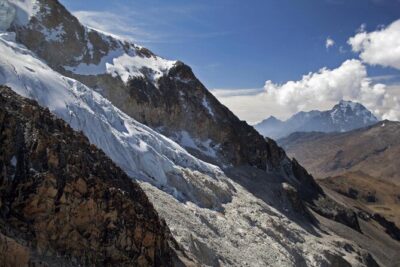
The mountain rises in Bolivia’s Cordillera Real, northeast of La Paz. The approach is not long by expedition standards, but altitude changes the rules. Walking uphill at around 6,000 meters is slow work. Sleep is poor, breathing is hard, and even putting on gloves can feel like a task.
I like the way this trip gives you a practical introduction before asking you to climb. On the first day, you learn how to move on ice and use the equipment under supervision. That training does not make the summit easy, but it gives you a better chance of understanding what your feet, hands, and rope should be doing.
You need acclimatization before starting. The trip information specifically warns that some preparation is necessary, and it lists Diamox as something that may be taken before the climb, at 125 milligrams in the morning and 125 milligrams in the evening. Speak with a medical professional before using it. The tour is not suitable for people with heart problems, high blood pressure, mobility impairments, or for pregnant women.
More Andean climbs and high-altitude days from La Paz
- La Paz: Charquini Mountain Guided Hike
★ 4.7 · 287 reviews - Full day Tour Charquini and Laguna Esmeralda
★ 4.5 · 73 reviews - From La Paz: Day Trip to Chacaltaya and Moon Valley
★ 4.4 · 65 reviews
Day one: from La Paz to glacier practice
The first day begins with transport from La Paz toward Paso Zongo, about a 1.5-hour drive. There is some conflicting practical information about hotel pickup, so confirm the exact arrangement when booking. The stated meeting point is outside Pachamama Gallery at Linares 940, where you should look for the Climbing South America flag.
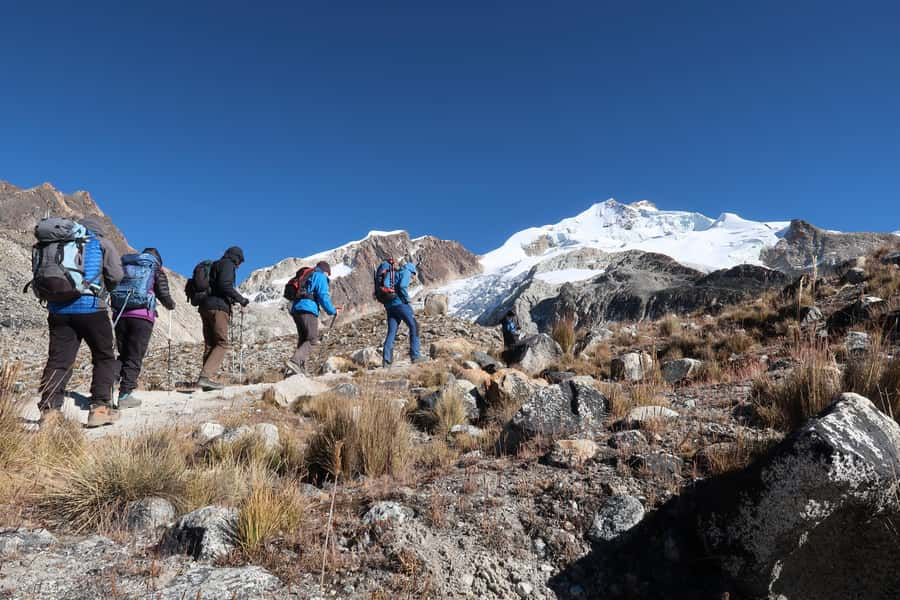
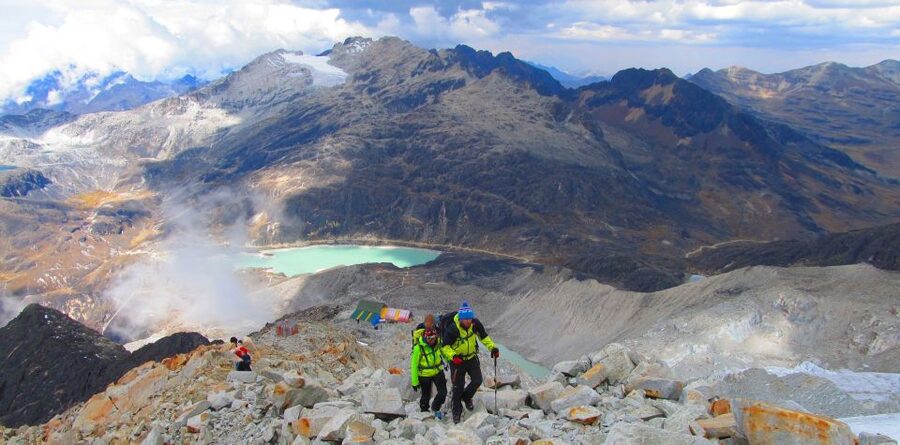
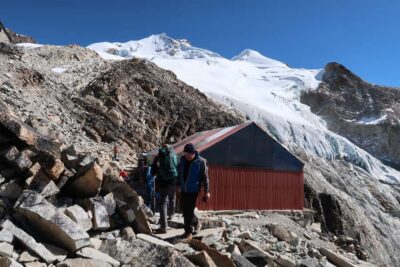
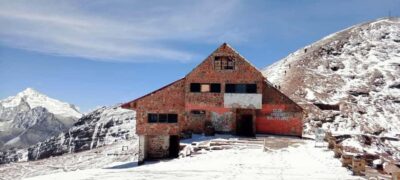
At Paso Zongo, you leave some gear at a mountain hut and have lunch. Then comes a one-hour walk to the lower glacier. This approach is useful because it gets you into the mountain environment quickly, but it is not a gentle stroll. You may be wearing stiff double mountaineering boots, and the route includes rocky, sloping ground.
That point deserves attention. One participant found the heavy plastic boots painful during the walk and decided not to attempt the summit after seeing problems with some of the supplied equipment. This was a poor experience, but it offers good advice to everyone: try on your boots carefully, test the crampons, check the harness, and tell the guide at once if anything is damaged or badly fitted.
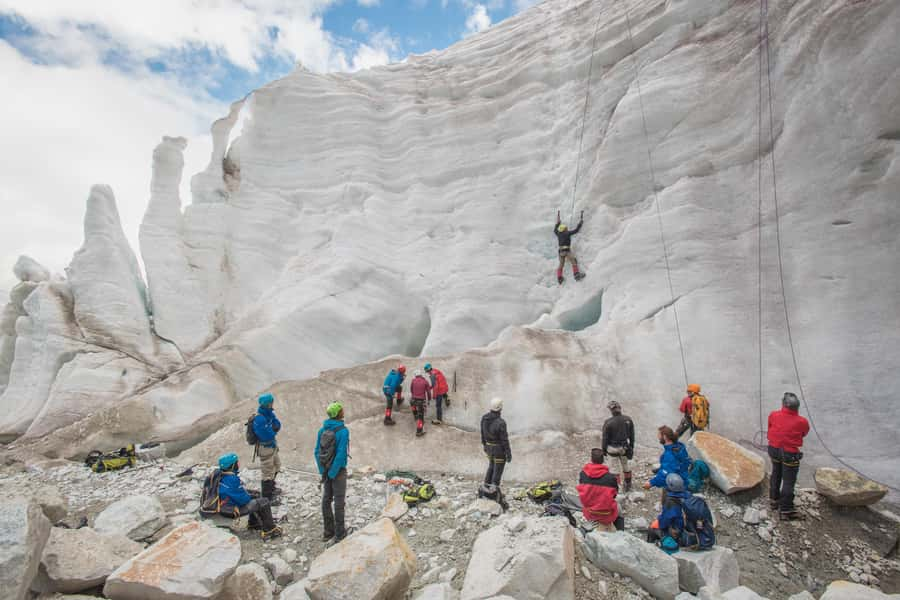
At the glacier, your guide explains basic mountaineering and ice-climbing methods. You practice with an ice axe, crampons, ropes, and other climbing equipment for three to four hours. Small ice walls with safety ropes give you a controlled place to learn how to place your feet and use your tools.
This is the most important instructional part of the trip. You are not simply being handed gear at the last minute. You get time to practice before the summit day, and your guide can see how you move. The training also helps you decide honestly if the climb is beyond you.
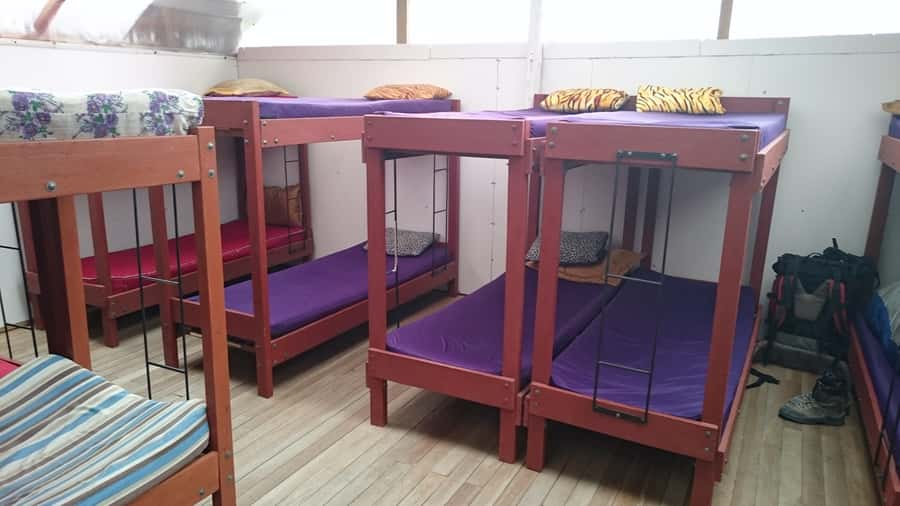
After practice, you walk about an hour back to base camp for dinner and your first night in a refuge. A cook prepares the meals, and lunch and dinner are included. The refuge is a practical mountain shelter, not a hotel, so bring the sleeping bag required for the cold night or rent one as an add-on.
Day two: the steady climb to high camp
After breakfast, you walk for three to four hours toward high camp. The route follows a well-used rock path and is described as relatively easy compared with the summit day. That comparison is important. At altitude, even an easy path takes effort, and this day is about reaching the right starting point rather than burning energy.
High camp sits on a rocky buttress at the foot of the glacier. You prepare the gear for the early morning climb, eat dinner, and try to sleep. The early night can be hard because the altitude, cold, and anticipation all work against rest.
Breakfast, lunch, and dinner are included on this day. Drinks with the camp meals are also included, which helps reduce the amount you need to carry. You should still bring personal snacks for the summit push, since the final day is long and food breaks may be brief.
The guides explain the next day’s plan each evening. That simple habit matters in a climb like this. You need to know when you leave, what you carry, how the rope system works, and where the hard sections are. Several participants praised their guides for clear instructions, calm encouragement, and a strong sense of safety. Francisco was singled out for staying supportive from packing through the summit attempt, while Andrés was praised both as a guide and cook. Macario was described as pushing a climber to continue when the effort became very hard.
Day three: a 1 AM start on the glacier
Summit day begins at about 1 AM. Dress warmly, and organize your clothing before going to sleep. You will want thermal underwear, a warm mid-layer, a jacket, thick gloves, a balaclava, and suitable socks. The supplied extra jackets and pants help, but you should not rely on them as your only protection.
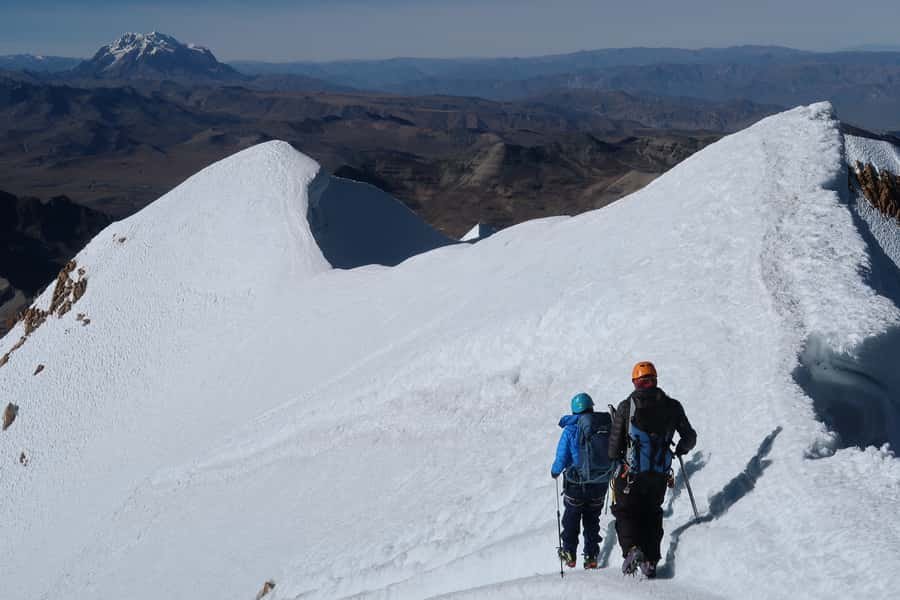
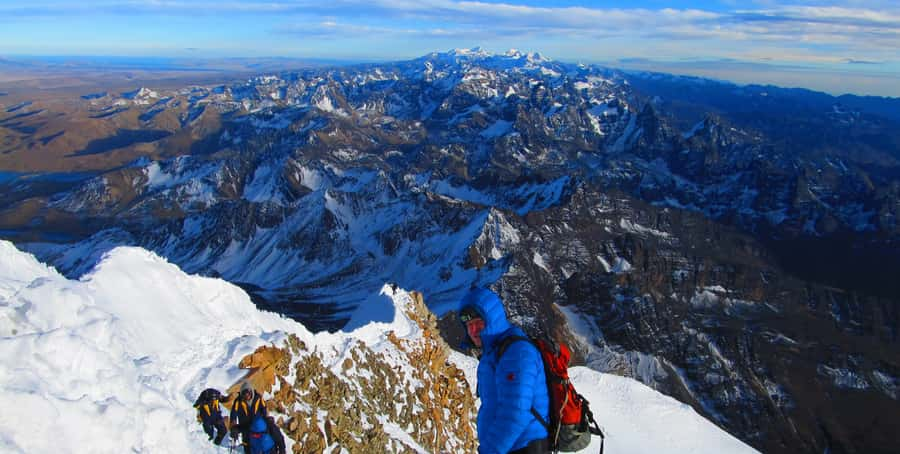
The climb begins on the glacier with crampons and climbing equipment. You remain tied to a rope for safety during the ascent. The route mostly follows a glacier trail, though it includes two steep sections and an exposed ridge near the top.
One steep point is called Pala Chica, at around 18,400 feet. The route passes through a snow and ice wall about 33 feet high. This is the part that makes the trip a genuine mountaineering experience rather than a high-altitude trek. You will use the techniques practiced on day one, while your guide manages the rope and helps set a safe pace.
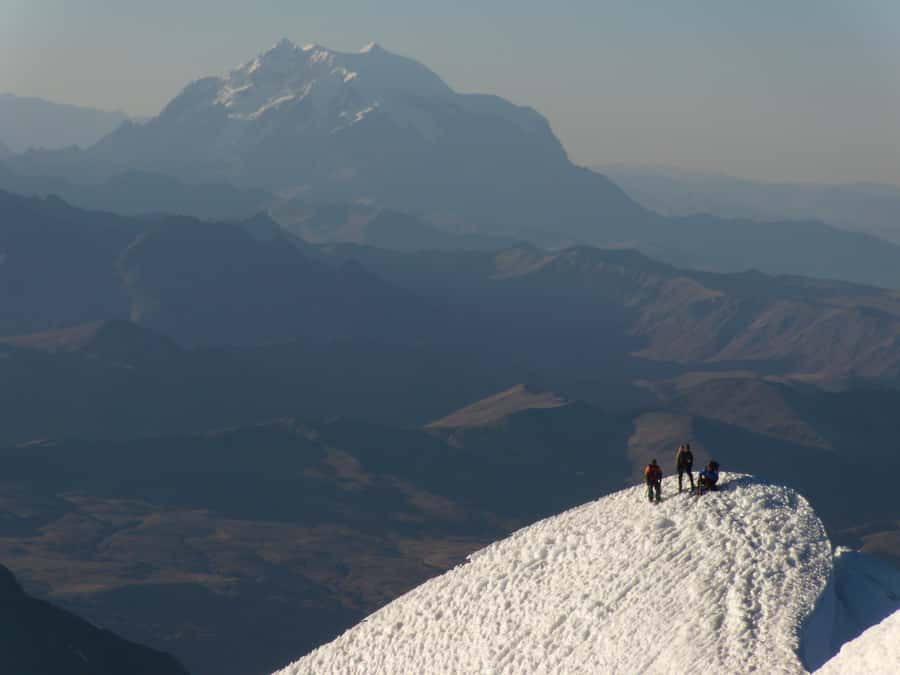
Above this section, the route continues toward roughly 20,000 feet, where the summit comes into view. The final ridge is exposed and provides some of the most memorable climbing of the trip. It also may be the point where tired legs, cold fingers, and thin air become decisive.
The entire climb and descent on day three takes about nine to thirteen hours. That range is wide because pace depends on the group, weather, snow conditions, and individual fitness. You should plan for the longer end of the estimate rather than assuming a quick return.
At the summit, you can look across the Cordillera Real toward Illimani, listed at about 21,100 feet, and Illampu, about 20,900 feet. The summit moment is brief. Take photographs, enjoy the view, and then begin the descent while you still have energy.
You return by the same route to high camp, rest briefly, pack the equipment, and descend to base camp. Transport then takes you back to La Paz. Breakfast and lunch are included on this long day, but personal snacks remain important.
A few more trips around La Paz worth a look
- La Paz: Uyuni Salt Flats & San Pedro de Atacama 3-Day Tour
★ 4.1 · 145 reviews - From La Paz: 3-Day Uyuni Salt Flat and Incahuasi Island Tour
★ 4.4 · 8 reviews - From La Paz: 3-Day Biking Tour Death Road & Uyuni Salt Flats
★ 4.7 · 4 reviews - 3-Day Tour to Salt Flats and Lagoons
★ 4.5 · 168 reviews
What the $344 price really covers
At $344 per person, the cost is strong if you need technical equipment and want a short, organized attempt rather than arranging every detail yourself. The fee includes private transport, a professional mountain guide, two nights in refuges, camp meals and drinks, a cook, ropes and protection, a first-aid kit, and emergency oxygen.
The equipment package is a major part of the value. It includes double mountaineering boots, ice axe, crampons, harness, helmet, gaiters, thick gloves, balaclava, extra cold-weather jackets and pants, and a headlamp if needed. Batteries for the headlamp are not included.
You also receive a T-shirt to keep at the end of the trip. That is a small touch, but it is a pleasant reminder of the climb after the technical gear has gone back.
The price does not include insurance, a backpack, sleeping bag, or porter service. A backpack of about 50 liters and a sleeping bag can be rented. Porters can carry personal equipment one way, up to 20 kilograms, for an additional fee.
I would consider a porter if you are not used to carrying gear at altitude. The warning from one participant not to overpack is sound, though. Every extra layer and snack becomes part of the load you carry uphill. Pack carefully, and decide in advance if the cost of a porter is worth the relief.
Hotel pickup and drop-off are also listed as excluded, despite the day one description referring to pickup from a La Paz hotel. Confirm this detail before you arrive. The published meeting point is in central La Paz at Pachamama Gallery.
Guides, food, and safety on the mountain
The guide is the most important part of a trip like this. Positive feedback repeatedly focused on encouragement, English ability, cooking, clear organization, and a feeling of safety. Francisco, Andrés, Macario, and Gabriela are among the names connected with strong support on recent departures, though your guide may be different.
Guides prepare the meals at the refuges, and the food is included throughout the three days as listed. This saves you from carrying all your meals and lets you focus on climbing. Bring extra snacks for the summit day, especially items you can eat while wearing gloves.
An emergency oxygen bottle is included, but it is not used as part of normal climbing. It is there for emergencies. That should not make you treat altitude casually. A bottle cannot replace acclimatization, a sensible pace, or the decision to turn around.
The tour is offered in English and Spanish, and a private group is available. A private group can be useful if you want the guide’s attention focused on your pace, though the exact group arrangements should be confirmed before booking.
Equipment: what to inspect before leaving
The supplied gear is generous, but equipment quality appears to be the main point requiring caution. One participant reported old jackets, bags with broken closures, and a crampon strap that was damaged. Other participants had a positive experience with the equipment and completed the climb.
I would use the first day as an equipment inspection as well as a training session. Check:
- Boot fit, especially your heel and toes
- Crampon straps and points
- Harness buckles and adjustment
- Jacket and trouser closures
- Backpack zippers
- Headlamp function and battery supply
- Helmet fit
- Gloves and balaclava coverage
Do not stay quiet because you feel rushed or inexperienced. Tell your guide if a boot rubs, a crampon shifts, or a strap will not hold. Technical gear should feel secure before you step onto the glacier.
Bring thermal underwear for both your upper and lower body, thin liner gloves, two pairs of socks with one thin and one thick pair, sunglasses, sunblock, and snacks. You also need a passport or identity card, plus a visa if your nationality requires one.
Who will get the most from this climb?
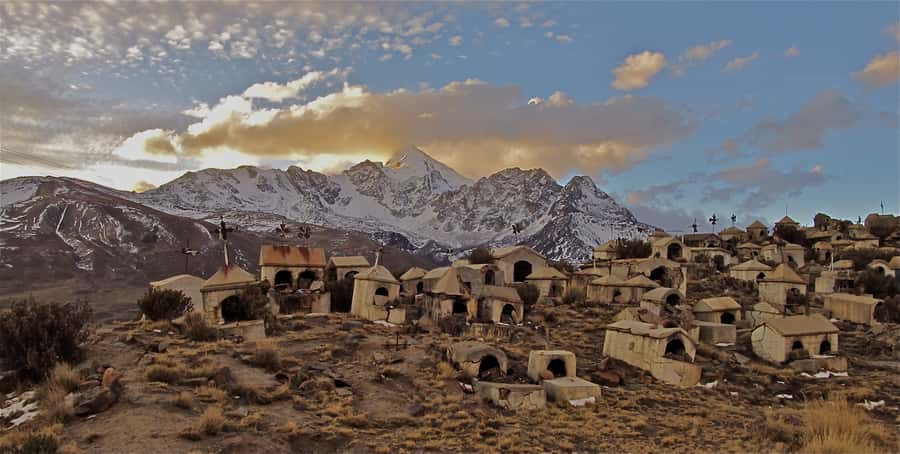
This trip suits you if you want a demanding first high-altitude mountaineering goal and are willing to train, acclimatize, and accept that the summit is not guaranteed. You do not need to arrive as an experienced ice climber because day one teaches the basic skills.
You should have a good fitness level. The training walk, high-camp approach, and long summit day all require stamina. Previous mountain experience is helpful, especially if you already know how your body responds to altitude.
I would not choose this as your first mountain outing, your first experience above high altitude, or a casual add-on to a short La Paz visit. The tour can be suitable for a first 6,000-meter peak, but only when you have prepared for cold, thin air, steep ground, and a very early start.
Bad weather is another practical risk. There is no refund in case of poor weather, so you should accept that payment does not guarantee a summit. The mountain, not the schedule, gets the final say.
Should you book the Huayna Potosí three-day climb?
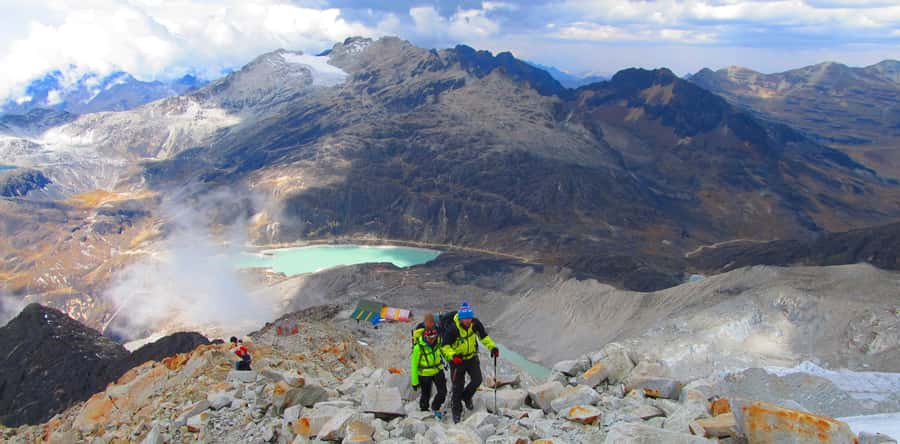
Book it if you want a compact, serious Andean climbing challenge with instruction, technical equipment, mountain meals, and guide support included. The training day is valuable, the views are superb, and the summit attempt offers a real sense of achievement without requiring a long expedition.
Do not book it simply because the price looks low or because 6,000 meters sounds like a normal hiking goal. Acclimatize first, check every piece of equipment, bring the personal clothing listed, and prepare for a summit day that may last thirteen hours.
For a fit and prepared climber, this is a well-priced route into high-altitude mountaineering. For anyone unready for cold, altitude, or technical climbing, the same three days can become a painful lesson. Know which person you are before you reserve.
FAQ
How long does the Huayna Potosí trip last?
The experience lasts three days. Day one includes glacier training, day two reaches high camp, and day three is the summit attempt and descent.
How difficult is the summit day?
The final day is demanding and takes about nine to thirteen hours. It begins around 1 AM and includes glacier travel, two steep sections, a snow and ice wall, and an exposed ridge near the summit.
Is climbing equipment included?
Yes. The package includes double mountaineering boots, crampons, an ice axe, harness, helmet, gaiters, thick gloves, a balaclava, extra jackets and pants, ropes, and protection. A headlamp is available if needed, but batteries are not included.
Do I need to bring a sleeping bag and backpack?
Yes, you should bring them or arrange rentals. A backpack of about 50 liters and a sleeping bag are available as add-ons. Porters can also carry personal equipment one way, up to 20 kilograms, for an additional fee.
What should I bring for the climb?
Bring your passport or identity card, visa if required, thermal underwear, thin liner gloves, two pairs of socks, a backpack, sleeping bag, sunblock, sunglasses, and snacks. You should also dress warmly for the summit start.
Where does the tour meet in La Paz?
The stated meeting point is outside Pachamama Gallery at Linares 940 in La Paz. Look for the Climbing South America flag. Hotel pickup and drop-off are listed as excluded, so confirm the transport arrangement before the trip.
Just added around La Paz
- Private Tour of Tiwanaku Ruins from La Paz★ 5.0 · 3 reviews
- From La Paz: Lake Titicaca and Copacabana Private Tour★ 5.0 · 5 reviews
- Private Tiwanaku and Titicaca Day Trip from La Paz★ 4.8 · 3 reviews
- LA PAZ: GUIDED TOUR CHACALTAYA + VALLEY OF THE MOON★ 3.6 · 3 reviews
- La Paz: Uyuni tour ending in Atacama Chile by bus.★ 3.9 · 3 reviews
- La Paz: The Feminist Tour★ 5.0 · 3 reviews
- Titicaca Lake: Highlights Tour from La Paz by Bus★ 4.0 · 3 reviews
- From La Paz: Trip to Uyuni Salt Flats with Wine at Sunset★ 4.4 · 4 reviews
Huayna Potosi and Andean Climbs, compared.
Browse the lists this tour appears in