
Reviewed · CYCLING TOURS
World’s Most Dangerous Road “Private” Mountain Biking Trip
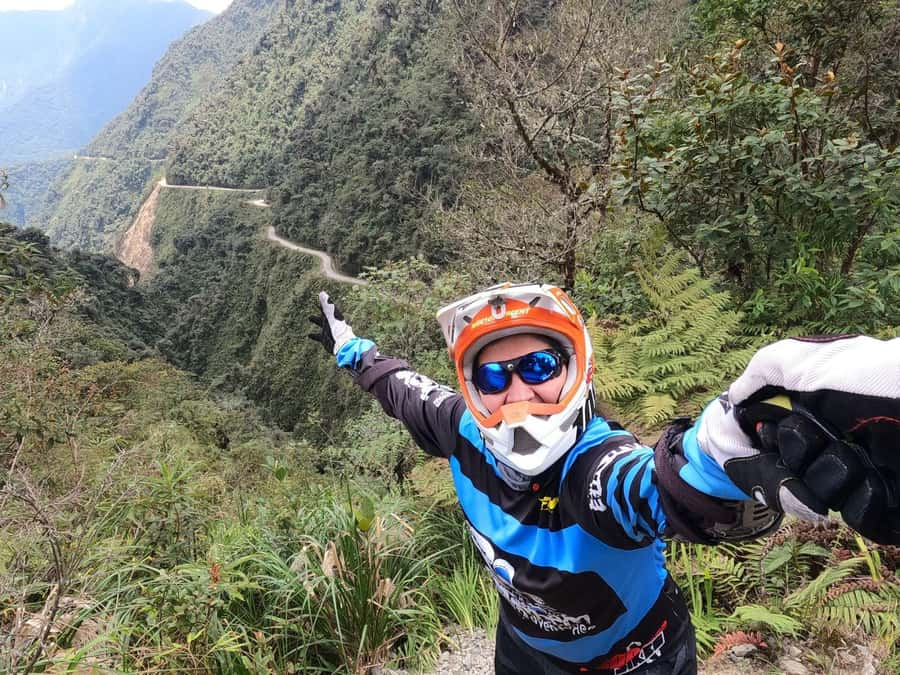
The dramatic part is the change under your wheels: you start at 4,650 meters in the Andes and finish near 1,200 meters in the subtropical Yungas. In a single day, the cold, thin air gives way to warmer rainforest scenery as you descend the old Death Road by bicycle.
I like the private format, since you can ride at your own pace rather than chase a large group. I also like the strong equipment package: a full-suspension mountain bike, full-face helmet, gloves, elbow and knee pads, and rain gear. The main caution is simple: this is still a serious mountain-bike ride, not a casual sightseeing trip.
Key points at a glance
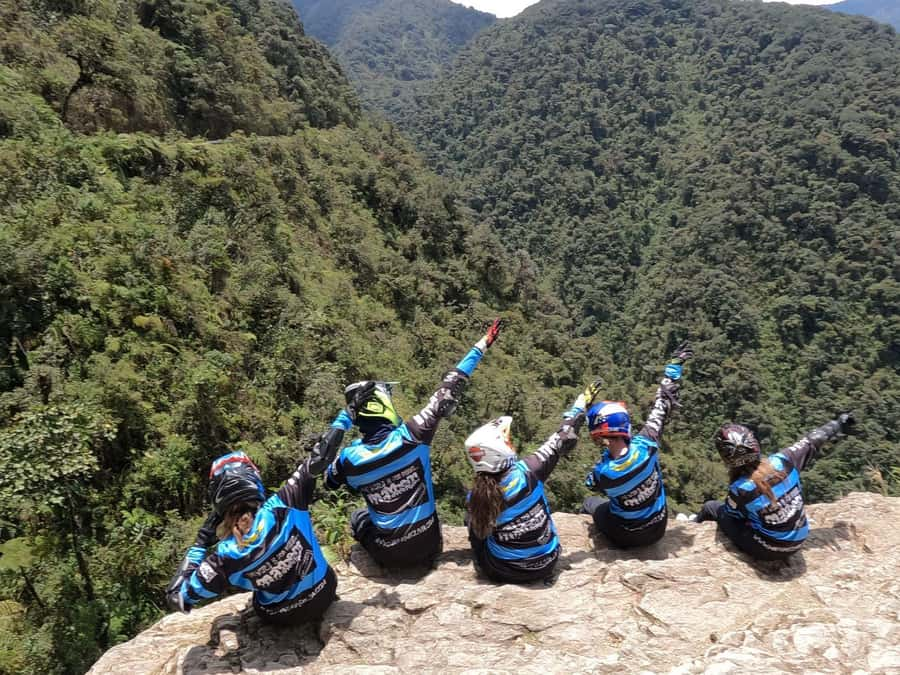
- From 4,650m to 1,200m: Watch the climate and scenery change as you drop from the Andes toward the Yungas.
- Private pacing: Ride with your own booking group, without worrying about keeping up with strangers.
- Quality bikes and full protection: Full suspension, full-face helmets, gloves, pads, rain pants, and rain jackets are supplied.
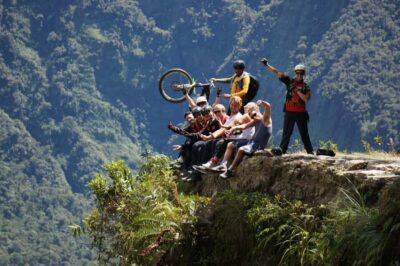
- Marcelo’s personal guiding: The guide has been praised for careful support, clear English, route knowledge, and well-chosen photo stops.
- A long but well-supported day: Round-trip transport, snacks, water, lunch, and a pool stop are included in the 12-hour outing.
- A real physical test: You should feel comfortable on a bicycle and be in moderate physical condition before booking.
From Andean cold to Yungas heat in one ride
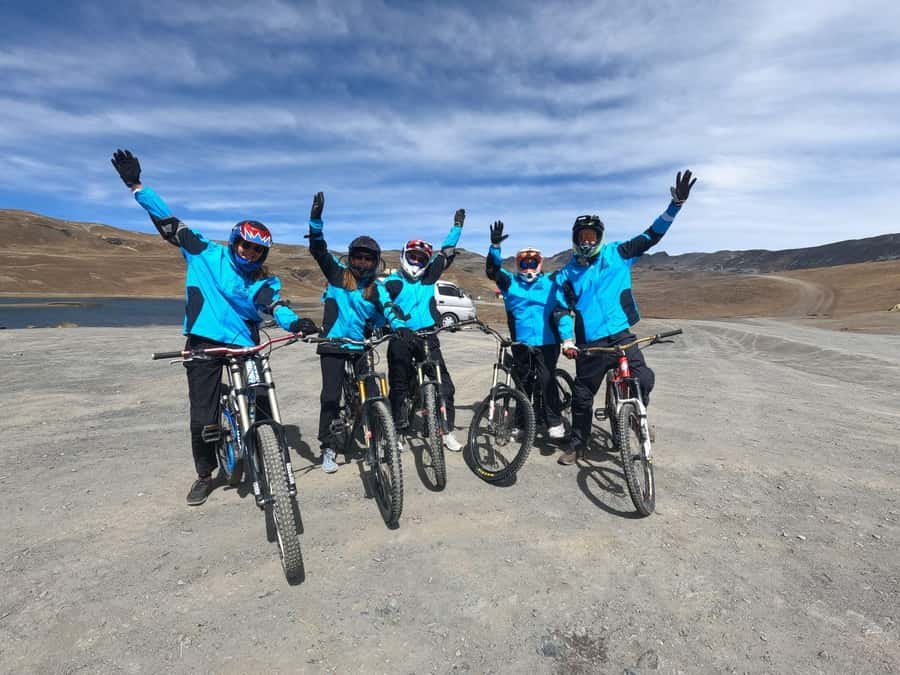
Death Road is famous for its narrow old track, but the real appeal is the huge change in altitude. You begin high among the Andean mountains at 4,650 meters, where the air is thin and conditions can feel cold. By the end, you are down in the subtropical Yungas at roughly 1,200 meters.
That drop gives the ride a clear sense of progress. You are not simply cycling around one viewpoint and returning to town. The road carries you through several climate zones, and the changing surroundings help break up the physical effort.
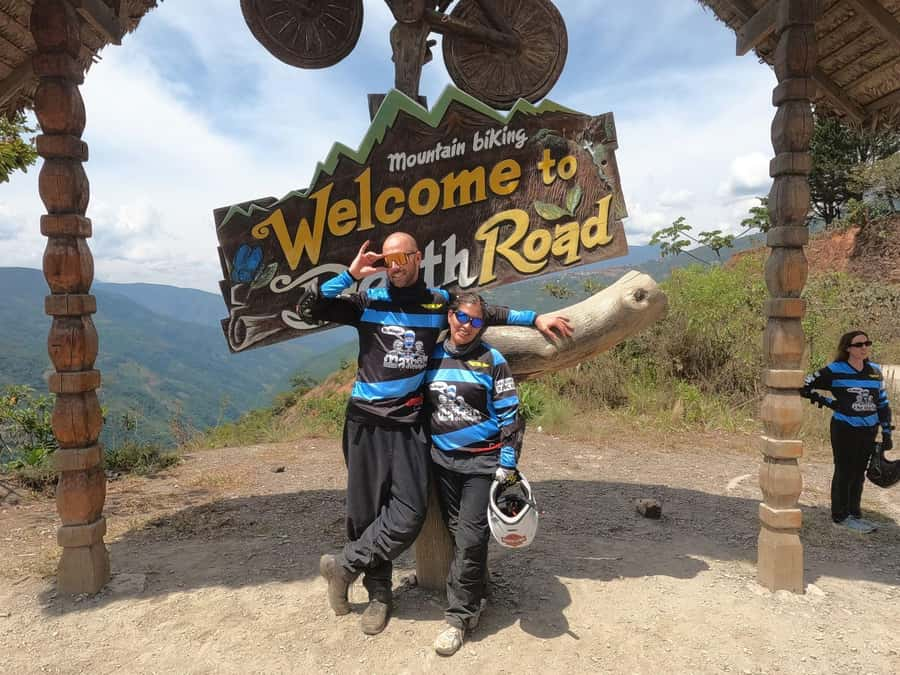
The road was built during the Chaco War and is described as only about three meters wide in places. Its reputation comes from the old traffic that once used this narrow dirt route. This bicycle trip is designed around the road as an adventure attraction, without the dangerous vehicle traffic that gave it much of its grim reputation.
You should still take the name seriously. The ride is on a dirt mountain road, and you will need to pay attention to the route, your speed, and the advice from your guide. The safety gear helps, but it does not turn the ride into a risk-free activity.
More Death Road rides from La Paz
- La Paz: Mountain Bike Down the World’s Most Dangerous Road
★ 4.9 · 386 reviews - From La Paz: 3-Day Biking Tour Death Road & Uyuni Salt Flats
★ 4.7 · 4 reviews - From La Paz: The World’s Most Dangerous Road Biking Tour
★ 4.7 · 68 reviews
What the private format changes
The word private matters here. Your booking runs on its scheduled date, and the guide can work with your pace rather than forcing you into the rhythm of a large cycling group.
That is useful if one person in your party is cautious, wants frequent photo stops, or needs time to feel comfortable on the bike. It also helps stronger riders avoid spending the whole day waiting. The tour is limited to 10 participants, but the private setup means you are not being treated like one small part of a large convoy.
Past bookings describe a particularly personal day with Marcelo, whose support and route advice helped riders feel safe while still enjoying the thrills. One small group had only two riders, which made the outing feel almost custom-built. That is the main advantage of paying for this format.
There is one thing to clarify before you book: private does not mean a relaxed taxi ride with a short bicycle stop. You are still committing to a full-day activity lasting about 12 hours. If you want a quick photo beside Death Road, this is more than you need. If you want the full ride, the private approach is a strong fit.
The morning transfer and high-altitude start
Pickup is available from hotels and hostels in central La Paz. Zona Sur and El Alto Airport are excluded, and pickup from those areas costs extra. If you stay outside the central pickup zone, ask about the meeting point or added transport cost before you pay.
The drive takes you from La Paz toward the high starting point. At the top, you will be at around 4,650 meters, so the first moments may feel more demanding than the cycling itself. Give yourself time to adjust, drink water, and listen closely during the equipment and safety briefing.
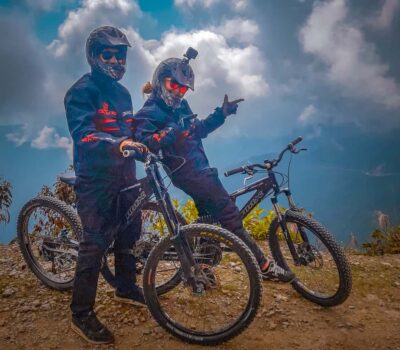
The guide supplies the bicycle and protective kit. You receive a full-suspension mountain bike, full-face helmet, gloves, elbow and knee protection, rain pants, and a rain jacket. This is a much better setup than trying to manage a rough dirt road on a basic city bike.
The full-suspension bike matters because the road surface can be uneven. It will not remove every bump, and you still need control, but it gives you a more suitable machine for the route. The protective clothing also makes sense in a place where conditions can change during a long descent.
The first descent on a top-quality bike
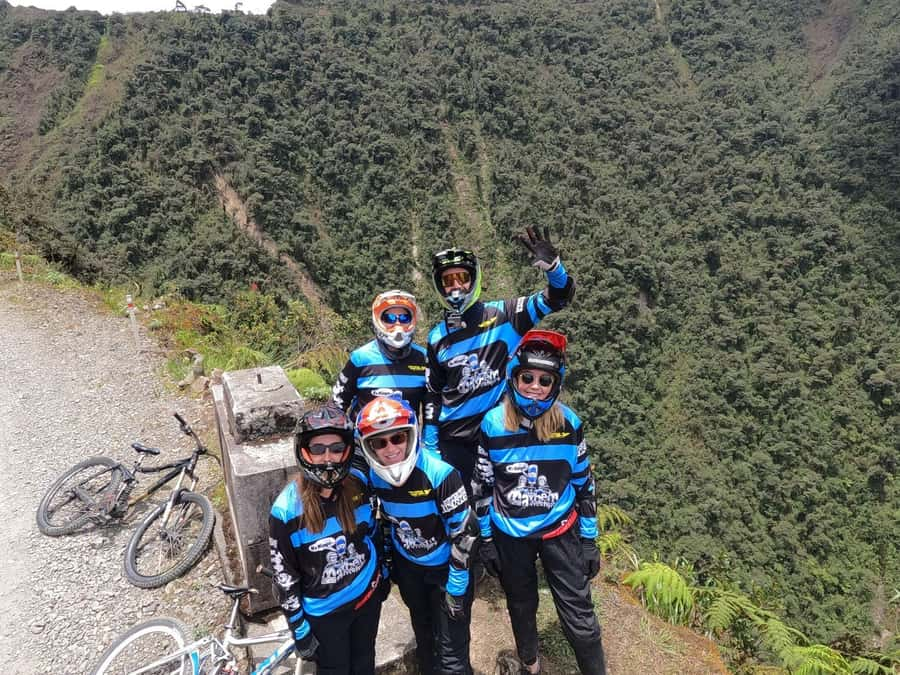
The ride begins high in the Andes and works downward toward the Yungas. The first section lets you get used to the bike, the altitude, and the guide’s instructions before the road feels more serious.
This is where a private guide can make the day more comfortable. You can ask questions, slow down, and get direct feedback instead of trying to hear instructions in a crowded group. Marcelo has been praised for staying close, offering practical advice, and taking riders to good spots for photographs.
You should not treat the early part as a race. The point is to reach the lower road in control, not to post the fastest time. Keep your hands steady, watch the surface, and follow your guide’s directions about positioning and speed.
The route’s famous character comes from its narrow dirt track, not from a string of manufactured stunts. That makes the experience feel more like a real journey through the mountains. At the same time, the old road can be rough and exposed, so anyone who is uneasy on a bicycle should think carefully before reserving.
A few more trips around La Paz worth a look
- La Paz | Death by Bike Route | Lunch
★ 3.4 · 7 reviews
The old Death Road and its changing scenery
As you continue downward, the setting shifts from high mountain conditions toward the warmer Yungas. That change is one of the best reasons to choose the full route instead of a short cycling activity near La Paz.
The road itself is the attraction. Its history as a wartime construction route adds context, while its narrow width explains why it became so notorious when vehicles used it. Today, the bicycle ride lets you experience the road without sharing the trip with the dangerous traffic that once made the route infamous.
Your guide also helps turn the ride into more than a technical challenge. Good photo stops give you a chance to look around, catch your breath, and record the change in scenery. Marcelo’s English and Spanish skills are useful for international groups, and direct communication matters when a route requires careful instructions.
Do not expect a polished park trail. This is an old mountain road, and the appeal comes partly from its rough character. If you want smooth pavement, easy bends, and no exposure to dirt or weather, this will not be your ideal day.
Safety gear, support, and the professional driver
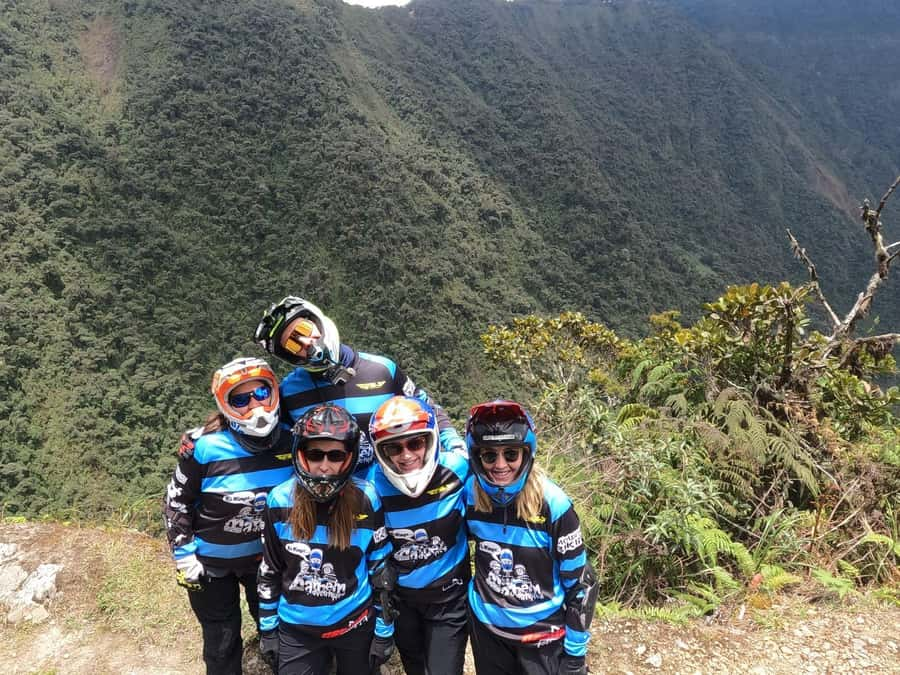
The tour puts several layers of support around the ride. Your guide leads from the bicycle side, while a professional driver supports the group throughout the route. That vehicle support means the day is not dependent on you carrying every item or solving every problem alone.
The supplied protection includes a full-face helmet, gloves, elbow pads, knee pads, rain pants, and a rain jacket. You should still bring sunscreen and a camera. Conditions can change sharply between the high starting point and the lower finish, so the extra clothing is practical rather than decorative.
The gear is a major part of the $149 price. You are not paying only for a road transfer and a bicycle rental. The price also covers a high-quality full-suspension bike, protective equipment, specialist guiding, a driver, food, water, and return transport.
No safety setup can replace basic cycling skill. You are expected to be comfortable on a bike and in moderate physical condition. The operator does not accept people over 100 kilograms or over two meters tall, and the activity is not suitable for children under 10, pregnant women, or people over 70. The supplied information also lists a restriction for people over 95, which is inconsistent with the 70-year limit, so older participants should confirm the rule directly before booking.
Lunch, the pool, and the end of the day
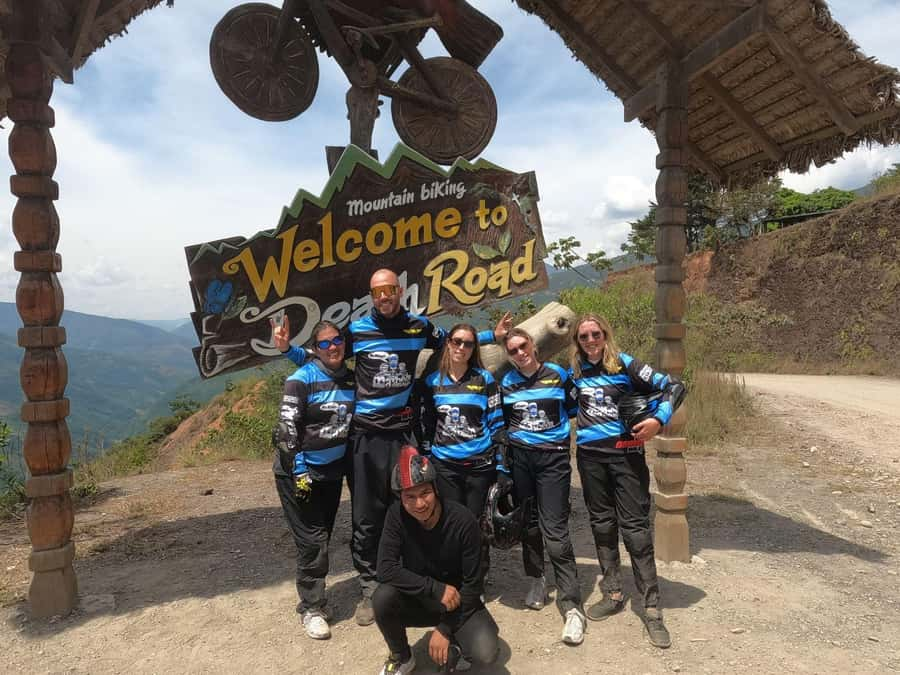
After the descent, lunch and a chance to use the pool provide a welcome change of pace. This is an important part of the day because the ride takes most of your energy and the 12-hour schedule is long.
Food, snacks, and water are included. Alcoholic drinks, soft drinks, and other beverages are not included, so budget for those if you want something beyond the supplied water and meal.
The pool stop also gives you a chance to clean up and relax after the dirt-road ride. It is not the main attraction, but it makes the day feel more complete than a route that ends with a quick transfer back to La Paz.
Return transportation is included. Expect a long day from pickup to drop-off rather than a half-day activity. You will want comfortable clothing, sun protection, and enough energy for both the ride and the transfer.
Is $149 a fair price?
At $149 per person, this is not the cheapest way to see Death Road. It offers better value if you care about the private format and the equipment package.
A cheaper group outing might suit you if price is the main concern and you are happy to match another group’s pace. Here, you are paying for a more personal guide relationship, a driver, a full-suspension bike, body protection, food, water, and round-trip transport.
The cost also reduces the need to arrange several pieces separately. You do not need to find your own bicycle, rent safety gear, organize a driver, or plan lunch at the end. For a once-in-Bolivia activity, that can make the price reasonable.
The strongest value comes when you have two or more people who want to ride together but have different comfort levels from a large group. If you are only interested in seeing the road and not riding it, the cost and time commitment are harder to justify.
Who will enjoy this ride most
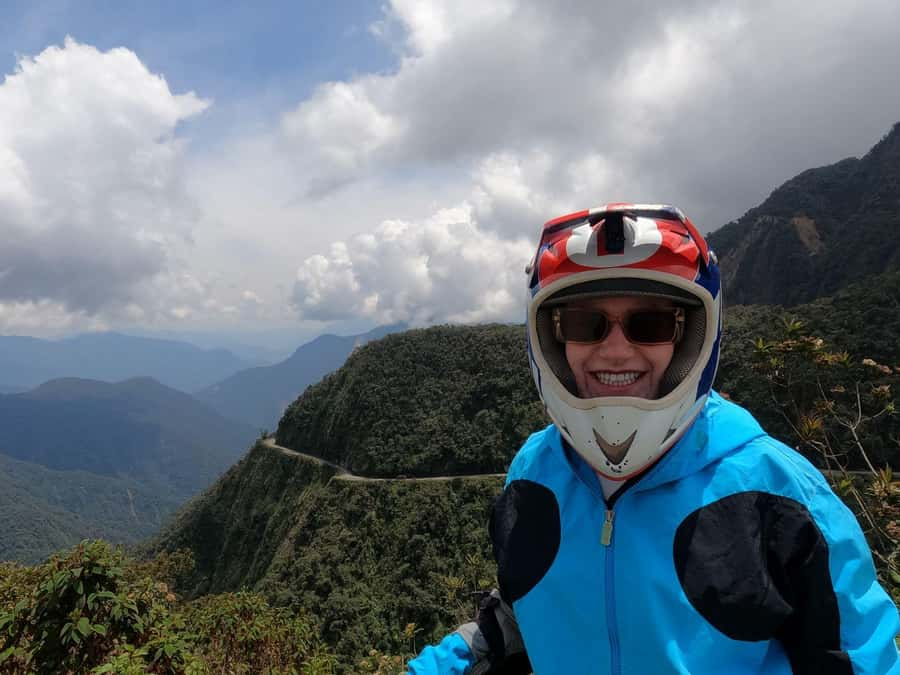
I would choose this tour if you are comfortable cycling and want an active way to see one of Bolivia’s best-known routes. It suits people who like dramatic changes in scenery, a long day outdoors, and a guide who can adjust the pace.
It is also a good choice for riders who want personal attention. The private arrangement removes much of the pressure that comes with a large group, and the guide can give more direct advice about control, timing, and photo stops.
You should think twice if you are a beginner who rarely rides a bicycle, dislike dirt roads, or want a quiet sightseeing day. The guide and safety equipment add protection, but neither replaces confidence on a bike.
Size and age rules matter. The activity is not suitable for children under 10, pregnant women, people over 100 kilograms, or people taller than two meters. The supplied information gives two different upper-age limits, 70 and 95, so anyone in that range should ask the operator to confirm eligibility.
Booking details worth checking
English and Spanish guiding are available. If you want English, request it at booking and confirm the guide arrangement. Marcelo has received especially strong praise for clear English, a friendly manner, route advice, and personal attention, though guide assignment can depend on the date.
The cancellation policy allows a full refund when you cancel at least 24 hours ahead. You can also reserve now and pay later, which helps if your La Paz plans are still shifting.
The extra admission fee is 50 BOB, listed as about $8 per person. That charge is not included in the $149 price. Pickup outside the central La Paz area also costs extra, so include those two possible additions when comparing the total price.
Bring your camera and sunscreen. The tour supplies snacks and water, but the provided information does not list personal clothing, so wear practical clothes for a long outdoor ride and be prepared for both cold high-altitude air and warmer lower conditions.
Should you book the Death Road private ride?
Book it if you want the full mountain-to-rainforest experience, value personal pacing, and feel comfortable on a bicycle. The combination of a strong bike, complete protective gear, guide support, driver assistance, lunch, and a pool stop makes this a well-equipped way to tackle Death Road.
I would be less eager to recommend it to a nervous cyclist or anyone looking for a short, easy outing. The road is narrow, the day is long, and the activity has real physical demands.
For the right rider, this is one of Bolivia’s most memorable active excursions. Choose the private option if you want Marcelo-style personal guidance, time for photographs, and freedom to ride without being measured against a large group.
FAQ
Where does the Death Road bike ride take place?
The ride takes place on Death Road in Bolivia, traveling from the Andes toward the subtropical Yungas.
How high does the ride begin?
The tour starts at about 4,650 meters in the Andean mountains.
How low does the route finish?
The route descends to approximately 1,200 meters in the Yungas.
How long is the activity?
The full experience lasts about 12 hours, including transportation and the cycling program.
Is the tour private?
Yes. The booking runs on its scheduled date, and you can ride at your own pace without needing to match a large group. The activity is limited to 10 participants.
Is transportation included?
Yes. Round-trip transportation and pickup from hotels or hostels in central La Paz are included. Zona Sur and El Alto Airport are excluded and may require an extra fee.
What safety equipment is supplied?
You receive a full-face helmet, gloves, elbow and knee pads, rain pants, and a rain jacket.
Is a bicycle included?
Yes. A full-suspension mountain bike is included.
Are food and drinks included?
Lunch, snacks, and water are included. Alcoholic drinks, soft drinks, and other beverages are not included.
What languages are available for the guide?
Guiding is available in English and Spanish.
Who should not book this activity?
The activity is not suitable for children under 10, pregnant women, people over 100 kilograms, or people taller than two meters. It is recommended that participants be comfortable on a bike and in moderate physical condition.
Just added around La Paz
- Private Tour of Tiwanaku Ruins from La Paz★ 5.0 · 3 reviews
- From La Paz: Lake Titicaca and Copacabana Private Tour★ 5.0 · 5 reviews
- Private Tiwanaku and Titicaca Day Trip from La Paz★ 4.8 · 3 reviews
- LA PAZ: GUIDED TOUR CHACALTAYA + VALLEY OF THE MOON★ 3.6 · 3 reviews
- La Paz: Uyuni tour ending in Atacama Chile by bus.★ 3.9 · 3 reviews
- Titicaca Lake: Highlights Tour from La Paz by Bus★ 4.0 · 3 reviews
- La Paz: The Feminist Tour★ 5.0 · 3 reviews
- From La Paz: Trip to Uyuni Salt Flats with Wine at Sunset★ 4.4 · 4 reviews
Cycling Tours, compared.
Mountain Bike Down the World’s Most Dangerous Road
Read our review →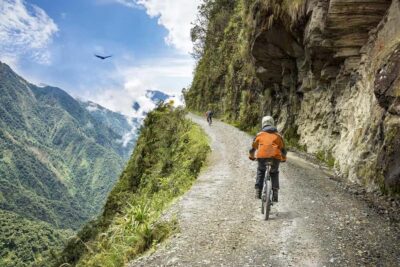
Browse the lists this tour appears in